

India’s cockroach protests dent BJP momentum, but won’t spark a mass national mobilization
Foreign Policy reports limited scale, yet clear political signal for BJP strategy and opposition bargaining power.
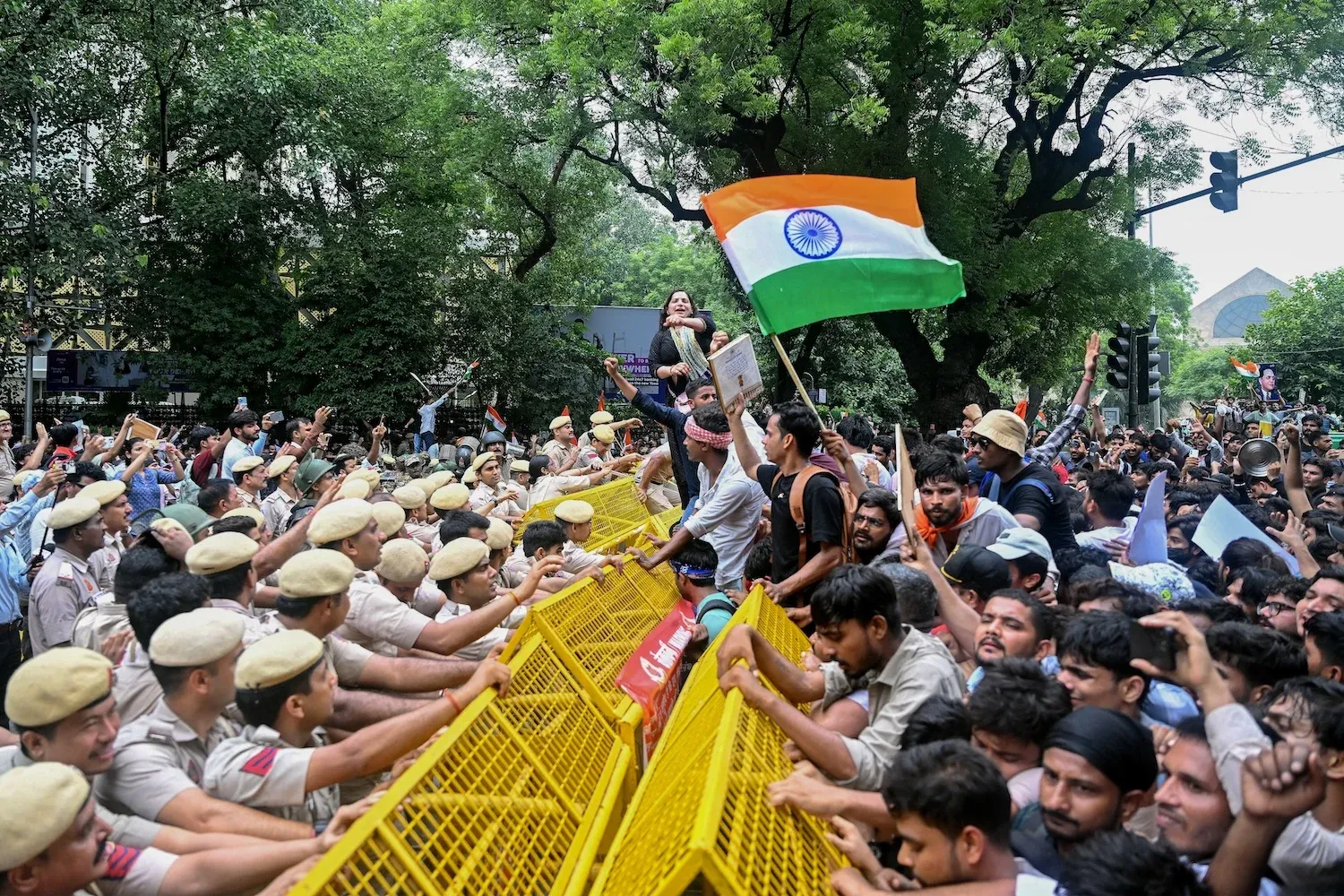
Foreign Policy reports on India’s “cockroach movement” protests and argues they are politically significant even if mass turnout is unlikely. For decision-makers, the key is understanding the signal value and how it may reprice political risk and campaign priorities.
India’s “cockroach movement” protests are unlikely to become a mass mobilization. But they still matter, at least politically, according to Foreign Policy. That sounds like a shrug. It is not. In politics, “not mass” can still mean “not ignorable,” especially when the protest frame is sticky and the timing pressures incumbents.
Here is the payoff to the headline logic: Foreign Policy’s core claim is that the protests will probably not scale into broad, nationwide action. Yet they remain politically significant, meaning they can shift perceptions, energize targeted constituencies, and create incremental pressure points for the BJP. Think of it like a small leak in a pressure system. It may not flood the whole room, but it can force a response, redraw priorities, and invite follow-on activity.
To understand why this kind of protest matters without becoming a mass wave, it helps to remember how modern political momentum is built. Parties rarely need every citizen to show up for a protest to change outcomes. They need enough attention concentrated in enough places to affect what voters, media, and party strategists think is coming next. Small-scale mobilizations can also act as testing grounds, revealing which narratives land and which political lines invite escalation.
There is also the incentive problem for the incumbent party. The BJP, as the ruling party in a large, complex democracy, is not just managing governance. It is managing optics, coalition boundaries, and the constant question of whether the next controversy will stay local or spread. When protests are framed with humor or scorn, like the “cockroach” label suggests, they can become a form of low-cost messaging. That matters because messaging is cheaper than policy, and it travels faster than policy. If the opposition can make a slogan stick, it can outlast the protest itself.
From a decision-maker perspective, the most important political variable is not only turnout. It is interpretability. If a protest does not scale, the BJP can argue it is marginal. But if it is still politically significant, it means observers believe it signals dissatisfaction in a way that could matter for future contestation. Foreign Policy’s framing implies exactly that tension: the protests are contained enough that mass mobilization is unlikely, but visible enough to carry meaning inside the political system.
Second-order implications show up in how parties allocate scarce resources. Campaign teams, local organizers, and party leaders must decide where to spend time and attention. A “non-mass” movement can still force a reallocation. For example, the BJP may need to spend political capital on narrative control, reassurance, or targeted outreach rather than full-spectrum mobilization. Opposition parties, meanwhile, can treat limited success as proof of concept. Even if the crowd sizes are not headline-making, the ability to spark attention can be leveraged for future actions and for fundraising.
This is the strategic stakes for peers tracking similar dynamics. Executives are used to metrics like market share and retention. Politics has different metrics, but the logic is similar: not every signal is a full-blown event, but enough signals can change a leader’s plan. Foreign Policy’s point is that the protests are not likely to turn into mass mobilization. The strategic takeaway is that they can still change the bargaining environment. They can alter how parties estimate risk, how journalists frame the next story, and how activists decide whether escalation is worth the effort.
So the question for anyone trying to read the political weather is not “Will this go viral nationwide?” It is “What does a politically significant but non-mass protest change about decision-making?” In this case, the answer from Foreign Policy is clear: the movement is not big enough to be dismissed as meaningless, and not broad enough to guarantee a nationwide showdown. That middle ground is where politics often does its real work.
This story's Key Insights and Take-aways are locked.
Create a free account to unlock Executive Actions for one credit.
Register to UnlockAlways free for Executives Club members. Join the Club
More in Politics

Michael Kratsios seeks AI funding boost, university cuts in Trump research overhaul
The science adviser pitches a funding rewrite as Democrats argue Trump weakened U.S. science for good.
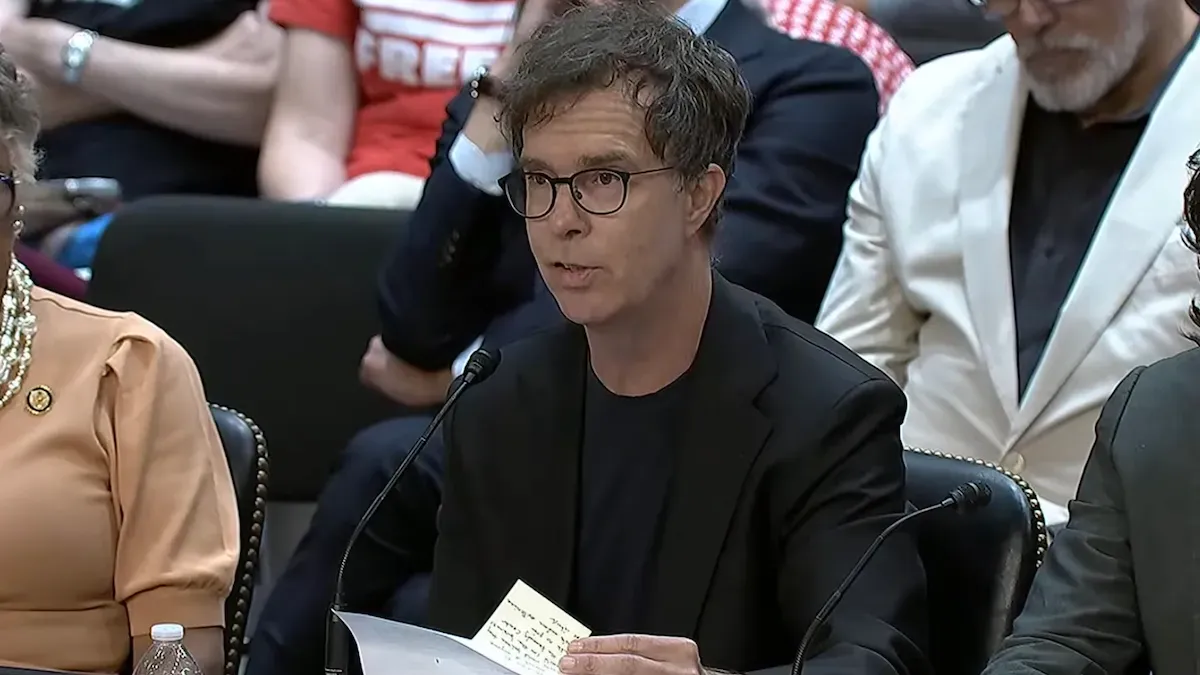
Ben Folds tells Congress Trump politicized the Kennedy Center, making it “propaganda”
The former artistic advisor says the federal arts institution was turned into a “hyper-politicized environment.” Here’s what that changes.

Trump officials admit the No Surprises Act is being gamed, after huge payments
The administration says doctors are exploiting the law, forcing regulators to confront a fix they cannot ignore.