
Indonesia plans $1B panda bond sale in China to cut US-dollar reliance
Beijing approvals could let Jakarta begin within days or weeks, potentially before mid-July, Antara reports.
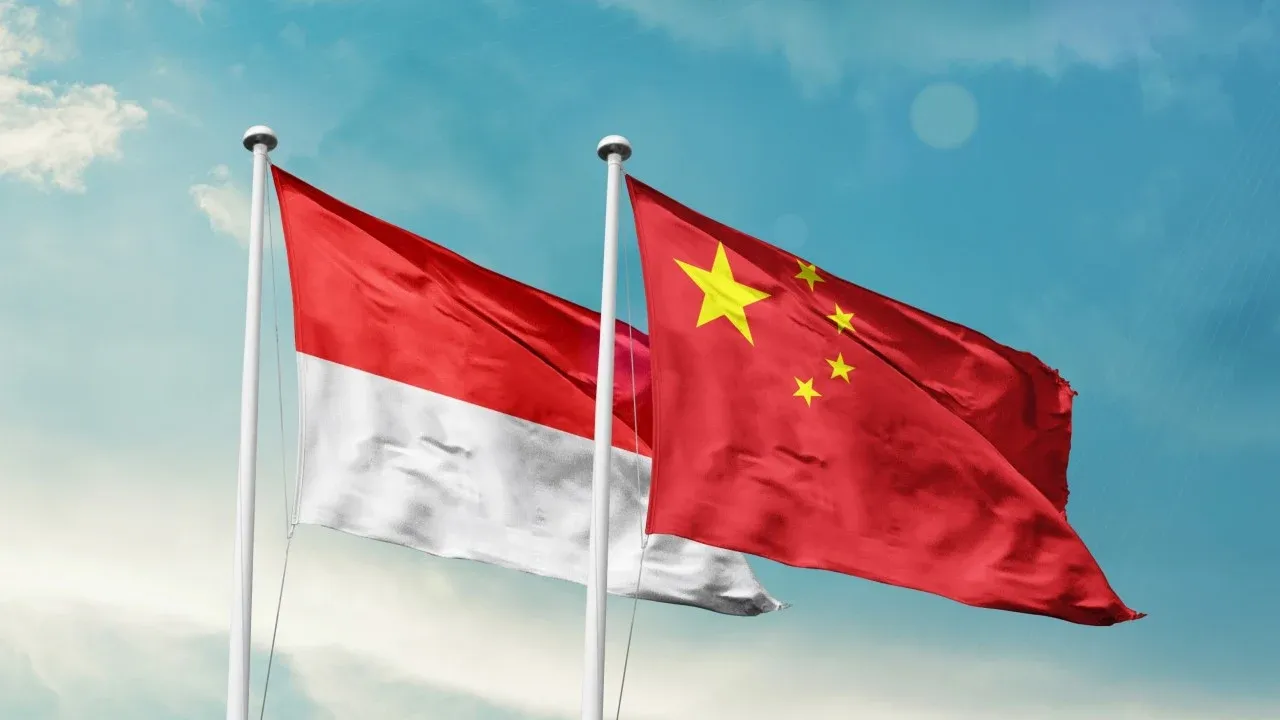
Indonesia’s Ministry of Finance, via reporting from Antara, is preparing at least US$1 billion in yuan-denominated panda bonds in China within days or weeks. The planned issuance aims to stabilize Indonesia’s domestic finances and reduce dependence on the US dollar.
Indonesia is preparing to issue at least US$1 billion in yuan-denominated bonds in China, and it could begin within days or weeks, Antara reported on Friday. The Ministry of Finance in Jakarta also said the planned issuance of panda bonds could start before mid-July, pending final signoffs in Beijing.
That timeline matters for anyone tracking emerging market funding costs and currency exposure. Panda bonds are debt securities sold in China’s domestic bond markets, and Indonesia’s move is explicitly framed as a way to stabilize domestic finances while reducing dependence on the US dollar. In plain terms: Jakarta is looking for another funding lane that is not tied as tightly to USD dynamics.
To understand why this is a big deal, you have to remember how most governments get squeezed. When the US dollar strengthens, refinancing can get more expensive for countries whose revenues and budget flows are not in USD. Meanwhile, domestic investors often have limited appetite or capacity for the kind of large issuance governments need at the right tenor. By tapping China’s domestic bond market with yuan-denominated issuance, Indonesia is trying to diversify how it finances deficits or smooth budget pressures, without stepping fully outside regional capital.
The “when” is also part of the story. Antara’s framing is that the issuance could start within days or weeks, and the Ministry of Finance’s additional detail is that it could come before mid-July, but only if Beijing grants final signoffs. That signals a regulatory gating item rather than purely a market appetite question. For executives and boards, that is a useful distinction: timing risk here is policy and approvals, not investor demand alone.
Panda bonds themselves sit at the intersection of two worlds that investors treat differently. They are issued in China’s domestic bond markets, which means the execution is tied to China’s market plumbing and regulatory pathways. But the issuers are international, which means the decision to sell is often about funding strategy and currency management rather than domestic financing logistics. When a country like Indonesia signals it wants at least US$1 billion, the implication is that the funding need is large enough to justify coordinating approvals and compliance steps across borders.
For Indonesia, the stated goal is to stabilize domestic finances and reduce dependence on the US dollar. Those are not just talking points. They reflect a familiar balancing act for finance ministries: they want to manage currency risk, but they also need financing reliability and continuity. If Indonesia can bring panda bond issuance online on a predictable schedule, it can lower the chance that market moves in USD markets suddenly force expensive refinancing. It also creates a precedent for more diverse funding sources, which can be valuable in subsequent budget cycles.
For other countries in the region and for any company exposed to sovereign balance sheets, the second-order implication is how quickly competition for alternative capital can heat up. If panda bonds become a more regular route for Asian issuers, investors and intermediaries will likely build more infrastructure around these deals. That can, over time, change the benchmark dynamics for local and regional funding, even if each issuance is individually sized and timed. And from a risk management perspective, boards should recognize that sovereign moves can influence currency sentiment, risk premia, and broader market expectations about fiscal strategy.
Finally, the Beijing signoff condition is a reminder that cross-border capital is still bureaucratic. The market can be ready, but approvals determine the launch window. If Indonesia starts issuance before mid-July as contemplated, it will show that the regulatory pathway can move quickly when political and financial objectives align. If approvals slip, the story becomes a test of patience and sequencing for whoever is monitoring Indonesia’s financing cadence. Either way, this is a concrete signal that Jakarta is actively managing currency and funding exposure, not just describing it.
This story's Key Insights and Take-aways are locked.
Create a free account to unlock Executive Actions for one credit.
Register to UnlockAlways free for Executives Club members. Join the Club
More in Business

A flaw in PHP just forced governments to pull their own sites offline
European agencies from Belgium to Germany took websites dark to patch a critical weakness in the language behind almost 70% of the web, and the blast radius extends far beyond government portals.

BioWare shuts down, Mass Effect 5 dead after $55B EA buyout
The legendary RPG studio's closure lands months after a $55 billion investment group buyout of EA, raising tough questions for gaming's biggest acquirers.

Musk barred from the room as Tesla, SpaceX boards weigh $3.5 trillion merger
The CEO of both companies is a 'conflicted party' watching independent directors negotiate a tie-up that would create a $3.5 trillion giant he would own about a third of.