

Indonesia's wildfire emissions just hit a global high. Here's why it matters.
New data shows Indonesian fire emissions surging past all other nations, a reversal with big consequences for climate pledges, supply chains, and regional haze.
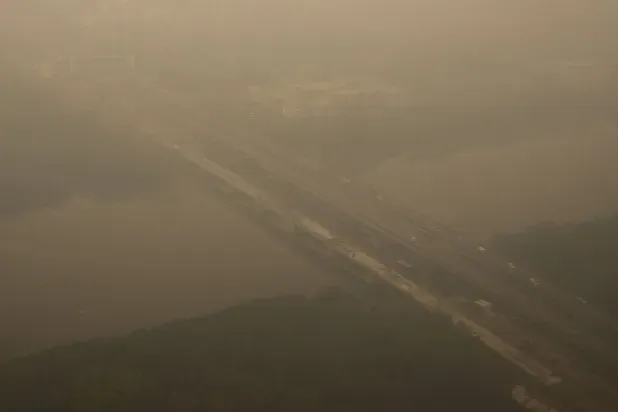
Indonesia's wildfire emissions have surged to the world's highest, according to new data, overtaking other major emitters as fires rage across peatlands and forests. For executives, this signals heightened regulatory risk, supply chain disruption in palm oil and pulp, and a fresh wave of pressure on companies to prove their deforestation-free sourcing.
Indonesia just became the world's biggest emitter of wildfire-related carbon, according to fresh data that tracks atmospheric pollution. The surge, which pushed the country past traditional hotspots like Brazil and Russia, is not a random weather event. It is the result of a dry season compounded by decades of peatland drainage and land-clearing fires, many of them set to make way for palm oil and pulp plantations. For anyone watching climate risk, this is a flashing red light: the emissions are not just a local problem, they are a direct hit to global carbon budgets and a test of corporate net-zero promises.
The data, reported by Asharq Al-Awsat, shows Indonesia's fire emissions climbing to levels not seen in years, with the country now leading the world in fire-related carbon output. The timing is brutal. It comes just as the world is trying to accelerate away from fossil fuels, and it underscores how land-use emissions remain a stubborn, often overlooked piece of the climate puzzle. While most corporate climate strategies focus on energy and supply chains, this fire season is a reminder that deforestation and peat degradation can blow a hole in the most carefully constructed carbon accounting.
For business leaders, the immediate concern is operational. Indonesia is the world's largest producer of palm oil and a major exporter of pulp and paper. Fires often spread into plantation areas, disrupting harvests and logistics. But the bigger risk is regulatory. The European Union's deforestation regulation, which requires companies to prove their products did not come from recently deforested land, is already forcing buyers to scrutinize their sourcing. A spike in fire emissions will likely trigger stricter enforcement, more satellite monitoring, and tougher due-diligence demands from downstream customers. Companies that cannot trace their supply chains to specific, fire-free plots will find themselves locked out of premium markets.
The political fallout is equally significant. Indonesia has long faced pressure from its neighbors, especially Singapore and Malaysia, over the transboundary haze that accompanies these fires. In past years, that pressure has led to bilateral agreements and regional action plans. But this year's surge suggests those efforts are not working. The Indonesian government has repeatedly pledged to end peatland burning, yet enforcement remains patchy, and the economic incentives for smallholders to clear land cheaply are still strong. For investors, this creates a governance red flag: companies operating in Indonesia's land sector face unpredictable policy shifts, potential fines, and reputational damage that can hit valuations overnight.
There is also a deeper strategic angle. The world's remaining carbon budget is shrinking fast, and every gigaton of emissions from fires makes the math harder. According to climate scientists, peatland fires are particularly damaging because they release carbon that has been stored for thousands of years, and they are nearly impossible to reverse in a human lifetime. For companies with science-based targets, this means that offsetting through forest conservation or restoration projects may become more expensive and less credible as fire risk rises. The insurance industry is already adjusting, with some underwriters raising premiums for fire-exposed assets in Southeast Asia. That trend will accelerate if fire seasons become more frequent and intense.
What can executives do now? First, map your exposure. If your company sources palm oil, pulp, rubber, or any commodity from Indonesia, you need to know exactly which concessions and suppliers are at risk. Second, push for transparency. Support initiatives that use satellite data to monitor fires in near-real time, and demand that suppliers publish their own fire management plans. Third, prepare for regulation. The EU deforestation law is just the beginning; similar rules are being drafted in the UK and the US. Companies that move early to clean up their supply chains will have a competitive advantage, while laggards will face costly last-minute scrambling.
The bigger lesson is that climate risk is not just about carbon emissions from factories and power plants. It is about land, water, and the people who depend on them. Indonesia's fire surge is a case study in how environmental degradation can cascade into economic and political instability. For the executives reading this, the question is not whether your business will be affected, but when and how severely. The data is out. The fires are burning. The clock is ticking.
In the coming months, expect more headlines about haze, evacuations, and diplomatic spats. But the real story is the slow-burning crisis beneath the smoke: a country that is both a victim and a driver of climate change, and a global economy that has yet to fully price in the cost of burning the land. For those who act now, there is still time to mitigate the damage. For those who wait, the fire will only get closer.
This story's Key Insights and Take-aways are locked.
Create a free account to unlock Executive Actions for one credit.
Register to UnlockAlways free for Executives Club members. Join the Club
More in Business
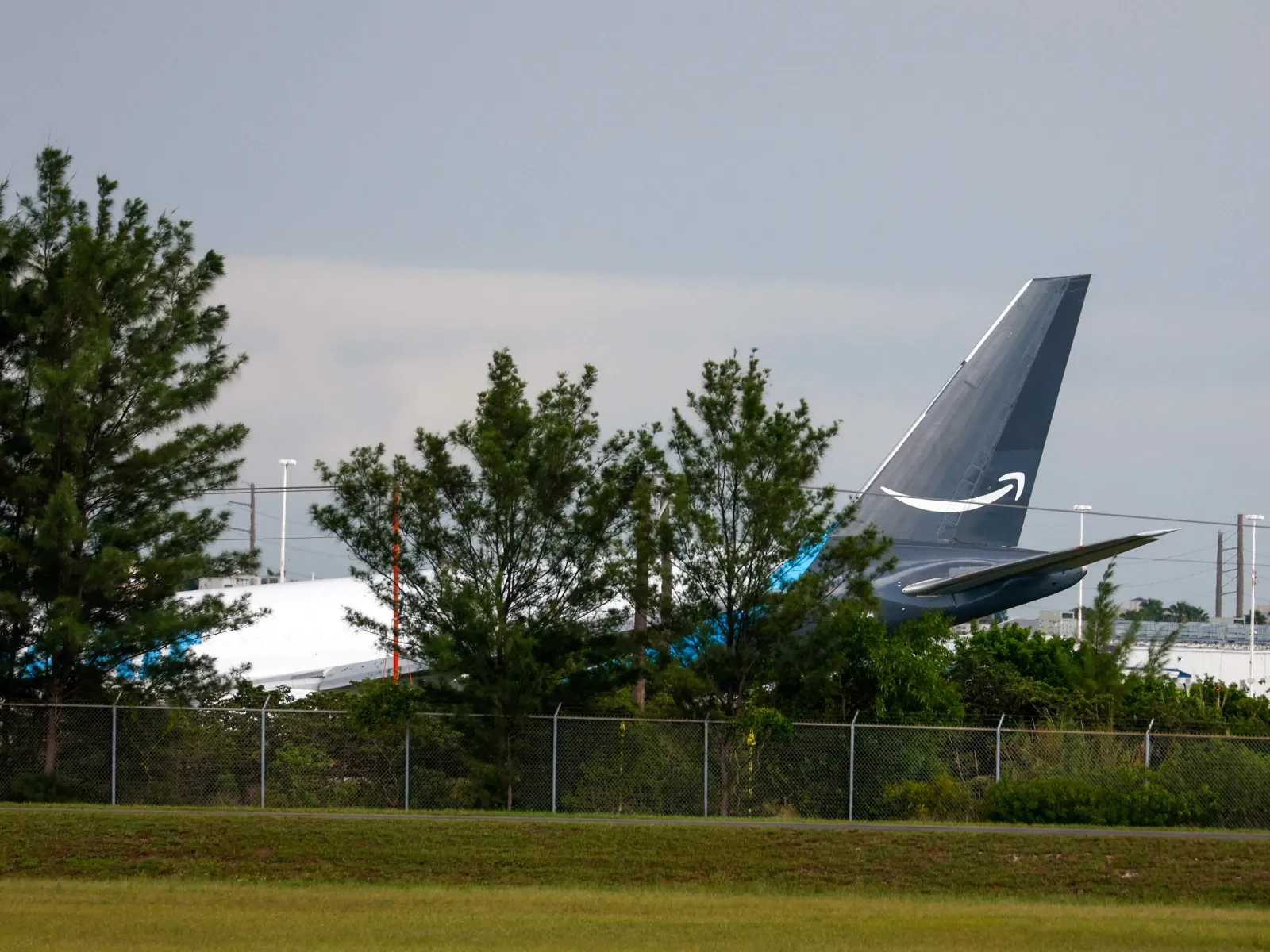
Amazon Prime Air 767 overshoots Miami runway, killing at least 5
The Boeing 767 freighter from San Juan struck vehicles and erupted in flames, prompting a ground stop and a fresh NTSB investigation into Amazon's air cargo network.

Death sentence for TV presenter Sarah Khalifa: Egypt's drug case hits media
The sentencing of Sarah Khalifa and 11 others underscores the severity of Egypt's anti-drug laws and the exposure of public figures to capital punishment.
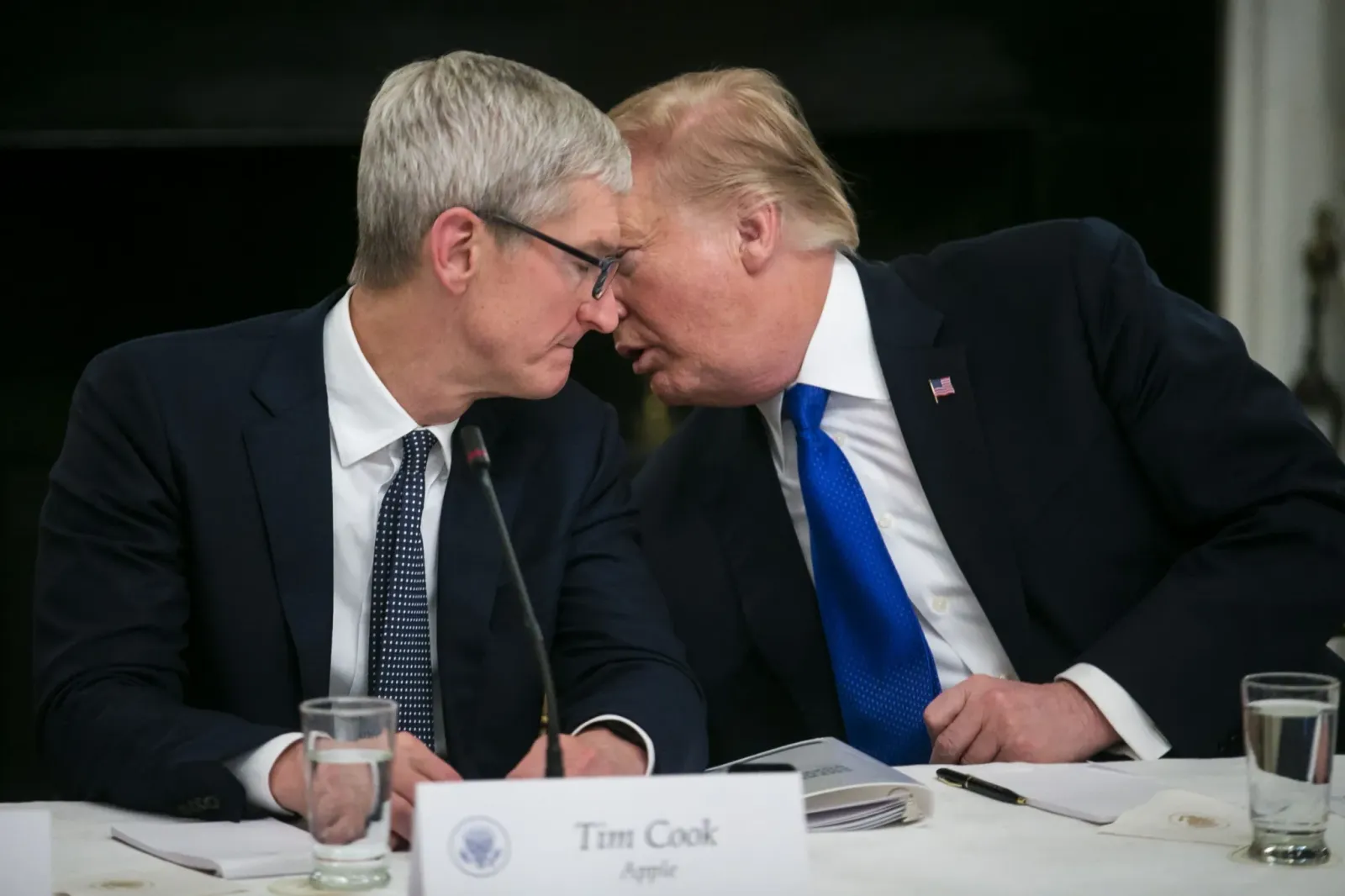
Tim Cook steps down as Apple CEO, stays on as chair with $45M equity
The 'Trump whisperer' keeps his White House and Beijing access as Apple navigates tariffs and a $4.6 trillion market cap.