

Insta360's Times Square line shows DJI ban's creator-market opening
Times Square line shows Insta360 winning creators as DJI faces U.S. blocks.
Insta360, a smaller Chinese smart-camera maker, is racing to win American creators as U.S. regulators block DJI, leveraging its independent Antigravity drone brand and a Times Square event to capture market share. For decision-makers, this signals a competitive shift in creator hardware, where regulatory clarity can create openings for agile challengers.
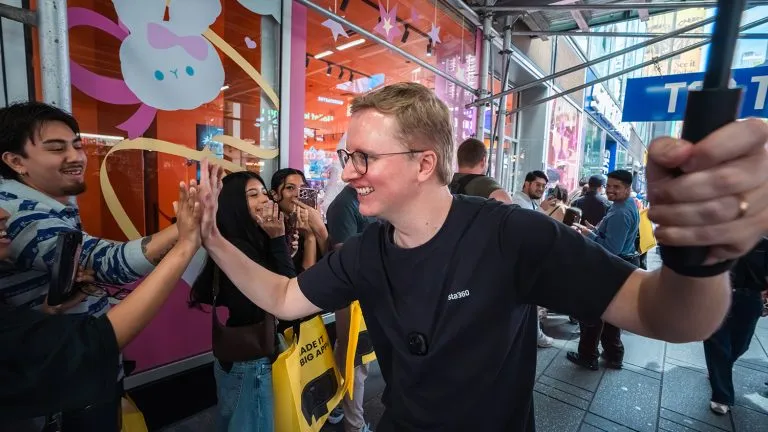
On a Saturday morning in September, dozens of people lined up in New York City's Times Square to test Insta360's pocket-sized cameras. YouTubers flew in. The scene is the clearest signal yet that Insta360, a smaller Chinese smart-camera maker, is racing to fill the creator-market gap opened by the U.S. government's moves to block DJI, the dominant drone maker. The line stretched through the square, a visual reminder that American creators are actively looking for alternatives.
The U.S. has been tightening restrictions on DJI, limiting its access to American consumers and creators. That regulatory pressure has created a vacuum, and Insta360 is moving quickly to occupy it. The company's independent Antigravity drone brand, combined with its established line of pocket-sized cameras, gives it a product portfolio that can appeal to the same audience that once defaulted to DJI. The Times Square event, with its long line of curious creators, is a visual proof point of that demand. It is also a statement of intent: Insta360 is no longer content to be a niche player.
Insta360's timing is no accident. The company has been building momentum in the action-camera and 360-degree video space, and the regulatory clarity around DJI's status has given it a clear runway. For a company that historically focused on niche camera gear, the push into creator-centric hardware and drones is a strategic bet on a market that is both lucrative and trendsetting. American creators are not just buyers; they are influencers whose equipment choices ripple across global audiences. Winning them over now could pay dividends for years.
The event itself was a carefully staged piece of brand building. By setting up in Times Square, Insta360 put itself at the center of American media and culture, signaling that it is serious about winning over U.S. creators. The line of dozens of people, many of them YouTubers who flew in, suggests that the brand is already resonating with the exact audience that DJI once dominated. For a company that is often seen as a smaller alternative, this is a chance to step into the spotlight and redefine its image as a mainstream player.
For decision-makers, the shift matters beyond cameras. It shows how regulatory actions can reshape competitive dynamics in hardware markets. When a dominant player is blocked, fast-moving challengers can capture the distribution, mindshare, and creator loyalty that was previously locked up. Insta360's move is a case study in how to capitalize on a competitor's regulatory misfortune without appearing opportunistic. The company is positioning itself as the creator-friendly choice, not the anti-DJI choice. That distinction is crucial for building long-term trust.
Insta360's independent Antigravity drone brand is a key part of the strategy. By keeping the drone brand separate, the company can navigate regulatory scrutiny while still offering a full ecosystem of aerial and ground-based capture tools. That structure may become a template for other Chinese hardware makers facing U.S. restrictions. It allows the company to hedge its bets and maintain access to markets that might otherwise be closed to a single brand. The separation also gives Insta360 flexibility in how it markets and distributes each product line.
The stakes are high. American creators are a lucrative audience, and their equipment choices influence global trends. If Insta360 can convert the Times Square curiosity into lasting loyalty, it could cement itself as the default choice for a generation of creators who can no longer rely on DJI. The company's pocket-sized cameras are already popular among vloggers and action-sports enthusiasts, and the addition of drones could make it a one-stop shop for content creators. The potential upside is significant, but so is the execution risk.
For competitors and investors, the lesson is clear: regulatory shocks create openings, but only for companies that are ready to move. Insta360's market timing, product lineup, and brand positioning have aligned at exactly the right moment. The question now is whether it can sustain the momentum and scale its presence in the U.S. market before other challengers, or DJI itself, find a way back. For now, the line in Times Square is a reminder that in the fast-moving world of creator tech, today's ban can be tomorrow's opportunity.
This story's Key Insights and Take-aways are locked.
Create a free account to unlock Executive Actions for one credit.
Register to UnlockAlways free for Executives Club members. Join the Club
More in Technology

A Chinese rocket deorbited over Minnesota and landed in a farmer's cornfield
Experts tied the fragment to LandSpace's Zhuque-2E, which launched on September 15 and shed debris over the American Midwest after deploying 10 satellites.

JPMorgan Chase deploys first $5B into defense tech and hypersonic missiles
The bank is moving off its balance sheet to back robot factories, hypersonic missiles, and supply chains, signaling a new era of bank-backed military innovation.

Cop fired after sharing Flock login with ICE husband: 983 searches
A Savannah officer's shared credential let an ICE agent run hundreds of plate searches on Hispanic drivers, exposing a surveillance backdoor.