

Instagram tests TV-style longform episodic storytelling, using creators as the guinea pigs
Meta is experimenting with time-honored video formats on Instagram. Here’s what it signals for content, distribution, and regulation.
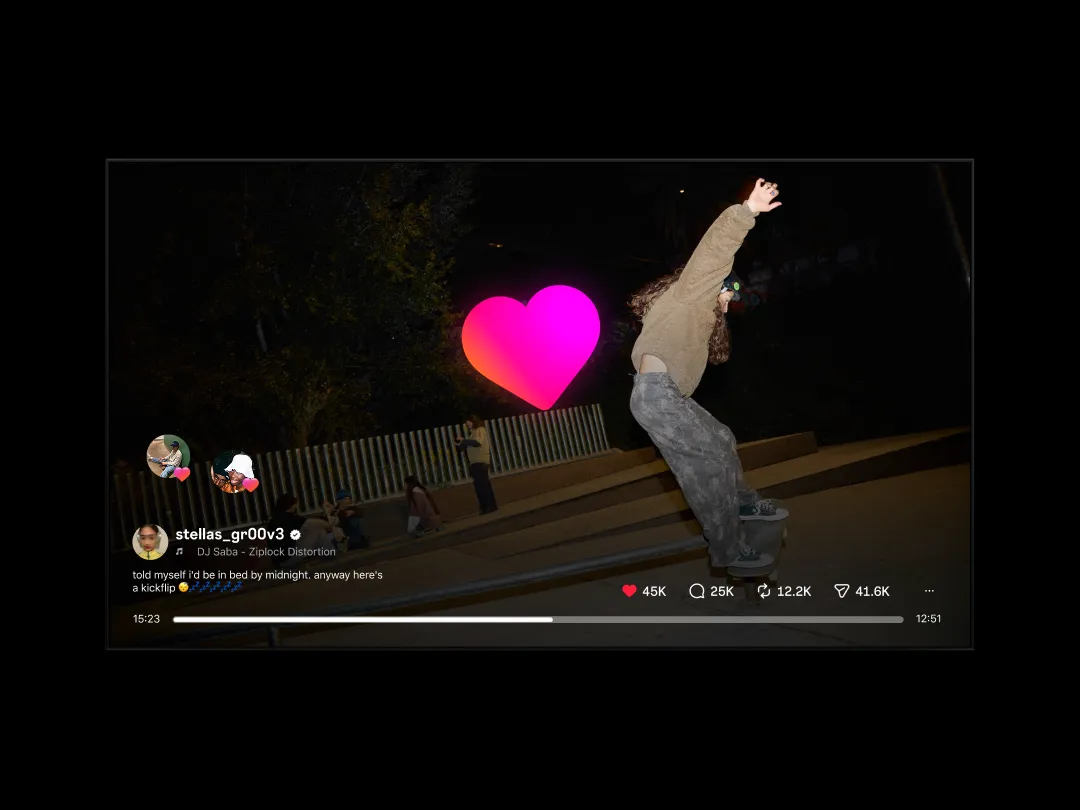
Instagram is testing longform, episodic storytelling on TV as it experiments with traditional video formats with creators. For decision-makers, it pressures every social platform and content partner to rethink how audiences are retained across screens and formats.
Instagram is going retro, and it is doing it with the most valuable ingredient any social company can borrow: creators. The Meta-owned company is testing longform, episodic storytelling on TV, using creators to run the experiment and validate whether Instagram can translate the “feed habit” into longer, scheduled viewing.
In plain terms, Instagram is trying to make TV out of what has historically been short-form social video. That means experimenting with time-honored video formats that audiences already understand: episodic structure, longer runtimes, and a more serialized feel. The bet is that Instagram can take creator-led content and repackage it into something closer to traditional TV consumption, without abandoning the platform identity that made creators successful in the first place.
This is not just a creative pivot. It is a distribution and engagement strategy that attacks one of the biggest frustrations in modern media: attention leakage. Social apps win by being the default place people scroll in short bursts, then they lose when users switch to “real TV” for longer blocks of time. If Instagram can capture that longer session, even partially, it reshapes the incentives for creators, networks, and advertisers. Creators get another channel where their work can be monetized and extended beyond clips. Advertisers get potentially more predictable storytelling formats, which can be easier to package than a stream of standalone moments.
From a market standpoint, longform and episodic storytelling are also a signal. Video is the battleground where platforms fight for both audience time and creator exclusivity. Social giants have spent years making it easier to publish and monetize video, but the formats have often remained optimized for speed: quick hooks, quick payoffs, and quick consumption. Trying episodic storytelling on TV is Instagram saying it wants to compete not only for clicks and views, but for viewer loyalty over multiple installments. That kind of commitment is expensive to build, but it can be durable once it catches.
There is also a board-level implication hiding in the creative language. Any platform that experiments with television-like formats is implicitly addressing questions around brand safety, content moderation, and regulatory scrutiny. More hours of watch time means more content surfaced, more context required for enforcement, and more pressure to demonstrate controls. In many jurisdictions, regulators have focused on whether platforms meaningfully manage risks in video experiences, not just text feeds. Moving toward longform and episodic TV-style content changes the compliance surface area, because the expectations of “editorial-style” experiences are different from those of snackable social.
The second-order question for executives is how this affects partnerships. Traditional media players have spent decades building distribution ecosystems around scheduling, seasons, and series arcs. Social platforms have leaned on creator direct publishing and algorithmic discovery. If Instagram can prove that episodic storytelling works on TV, it strengthens the argument that social can be a serious distribution engine for series-like content. That can push media companies to renegotiate how they think about creators: not just as talent for standalone campaigns, but as potential recurring programming engines.
For Meta and Instagram, the experiment is also a test of operational reality. Longform and episodic formats require more than uploads. They demand consistent release patterns, clearer audience expectations, and analytics that can measure retention across episodes, not just completion rates on isolated videos. Even if the initial testing remains limited, the outcome will influence whether longform becomes a feature, a program, or a recurring strategy.
And for peers, this is the part that matters: Instagram is using creators to explore whether the line between social video and television is porous. If the experiment works, other platforms will face a faster timeline to develop their own longform or episodic offerings, or risk falling behind in the race for sustained attention. In a world where competition is increasingly about who can keep viewers for longer, Instagram testing TV-style episodic storytelling is a clear reminder that “not TV” is becoming less true by the day.
This story's Key Insights and Take-aways are locked.
Create a free account to unlock Executive Actions for one credit.
Register to UnlockAlways free for Executives Club members. Join the Club
More in Entertainment

Russell Brand's accuser 'bewildered and confused' as he denies 7 sex charges
The criminal case against the comedian is a live test of how media companies manage talent risk when serious allegations go public.

'It's a Magic Trick': Ballet Experts Say Rosalía's SNL Pose Is Impossible
Three ballet experts tell Rolling Stone Rosalía's gravity-defying SNL stillness shouldn't be possible - and why the debate is now part of the show.

Activision CMO: GTA 6 Will Boost Call of Duty, Not Bury It
Activision's top marketer says Rockstar's blockbuster will drive players back to consoles and into Modern Warfare 4, even as the company admits its recent strategy failed.