
Intel jumps 9% as Trump backs Apple partnership on US chip design
A Trump-linked Apple collaboration claim sends Intel higher again, sharpening the race over who designs chips for America.
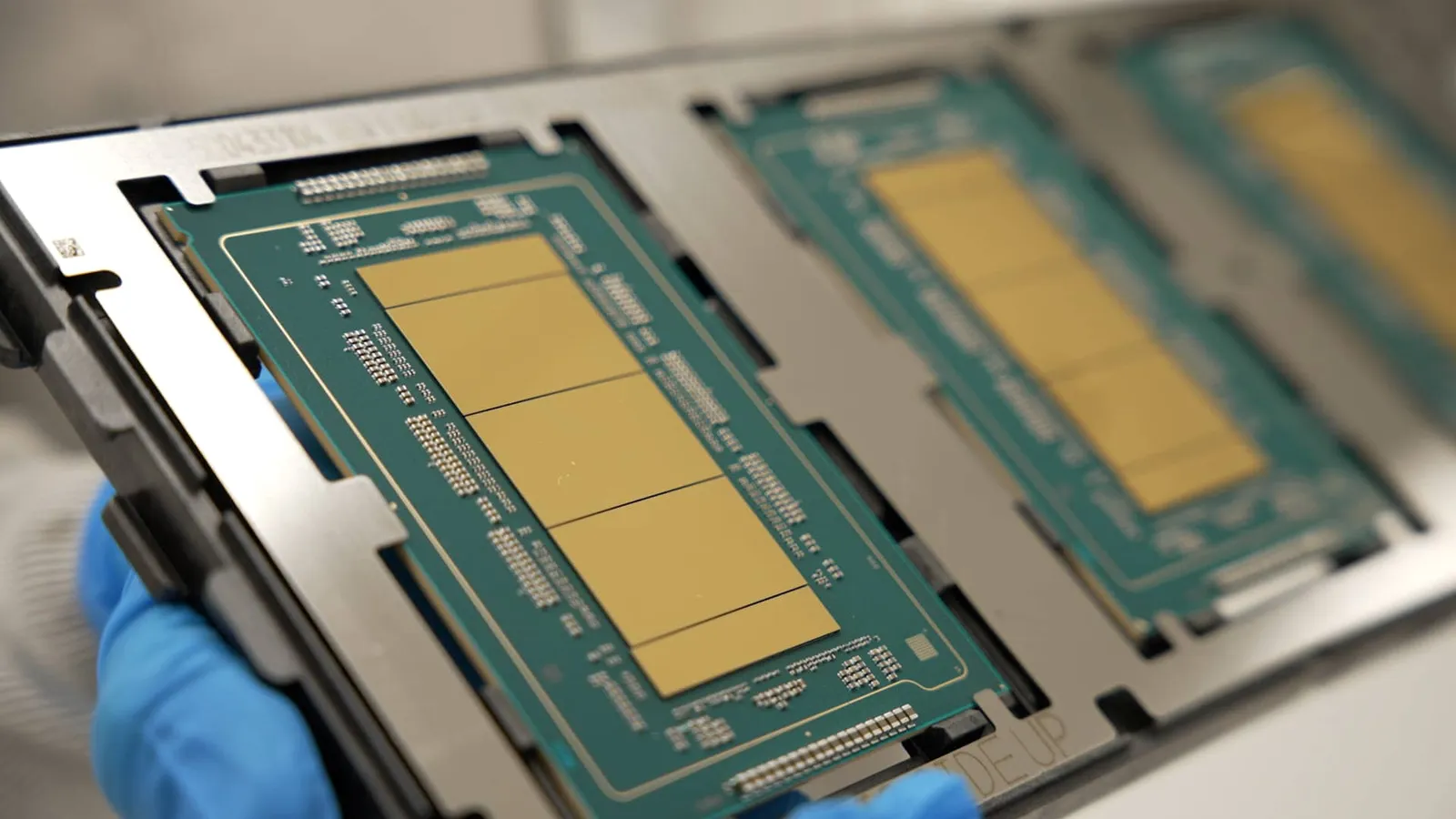
Intel shares rose 9% after Trump said the company will partner with Apple on U.S. chip design. For decision-makers, the move is another vote of confidence in Intel's turnaround story, even as the chip race stays politically charged.
Intel shares surged 9% after Trump said the company will partner with Apple on U.S. chip design, a headline catalyst that keeps Intel's rebound momentum alive. The jump is the latest leg of a rally that has been lifting the chipmaker out of years of headwinds, and it matters because in semiconductors, sentiment can move fast. When the market sees a credible path to bigger design wins, it re-prices not just near-term revenue potential, but also execution risk.
This isn't a random intraday pop. The context behind the move is that Intel had been grappling with years of competitive pressure and operational challenges, which weighed on its stock and narrative. Now, with Trump publicly raising the prospect of Intel working with Apple on U.S. chip design, investors are treating the announcement as more than politics. They're treating it as a signal that Intel could regain a stronger role in high-value chip development, especially in a sector where design leadership and manufacturing capacity reinforce each other.
To understand why this kind of statement can move markets, you have to remember how chip ecosystems work. Apple is not just a consumer brand. It's a buyer of massive strategic importance because it drives demand for advanced processors and platforms that set expectations for performance, efficiency, and supply reliability. Intel, as a legacy chip leader trying to reassert itself, benefits when the market believes it can win or meaningfully participate in marquee design partnerships. A U.S. chip design framing adds another layer: it ties the story to domestic capability and supply chain security, themes that tend to attract political attention and, potentially, policy support.
There's also the “trust but verify” dynamic that decision-makers should keep in mind. Market reactions to political comments often outrun the underlying contracting reality, and semiconductors are full of long timelines. Partnerships in chip design usually involve detailed agreements across architecture, manufacturing process choices, tooling, verification, and long-term roadmap coordination. So while the 9% move reflects investor optimism today, the board-level question is whether Intel can convert that optimism into durable, measurable progress: design wins, production schedules, and financial results that match the new narrative.
Still, the source is clear on the immediate takeaway: Intel is bouncing back, and today's rally continues that trend. That matters for other leaders in the space because Intel's recovery narrative affects competitive positioning and negotiation leverage across the industry. If investors start to believe Intel can secure high-profile collaborations, customers and partners may be more willing to consider Intel for programs that have historically leaned toward other suppliers. In a market where capital is scarce and capacity expansion is expensive, improved credibility can influence everything from talent retention to financing terms to how quickly new manufacturing investments get backed.
Regulatory and industrial policy also loom in the background. The “U.S. chip design” angle aligns with a broader push for domestic capability in advanced technology, and semiconductors are one of the few categories where governments can still exert influence through procurement, incentives, and strategic oversight. That doesn't guarantee outcomes, but it does change the incentives. When policy attention is onshore, executives may prioritize domestic readiness even if the commercial path is hard. For Intel, that political spotlight can be a lever, but it can also raise expectations. If the market is going to price in a turnaround, it will likely demand visible milestones that reduce the gap between headline and execution.
This story's Key Insights and Take-aways are locked.
Create a free account to unlock Executive Actions for one credit.
Register to UnlockAlways free for Executives Club members. Join the Club
More in Technology

Nvidia's $89B data center quarter: the 9 companies cashing in
The AI buildout is minting fortunes beyond GPUs, and memory, cloud, and cooling suppliers are riding the same wave.
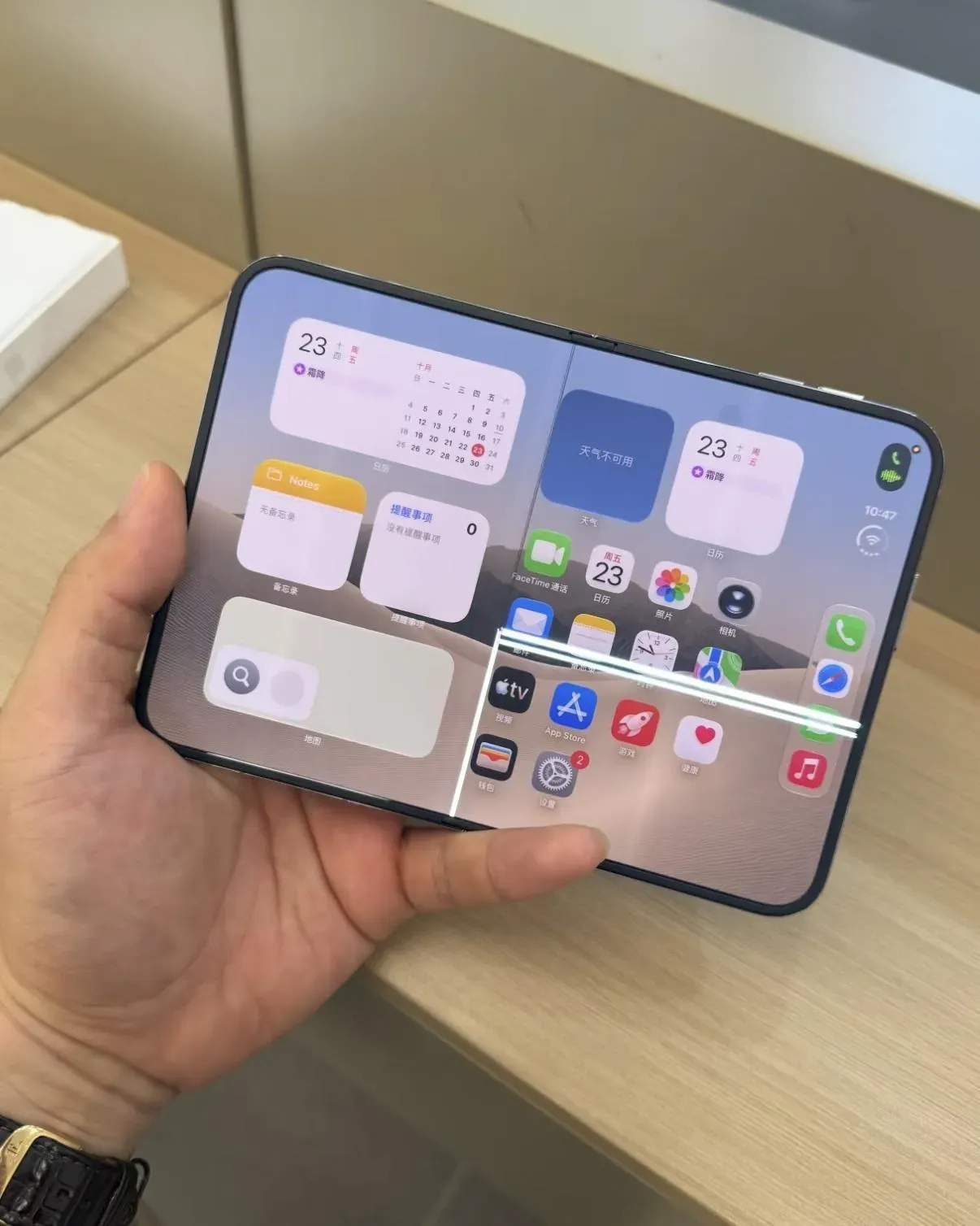
A YouTuber dissected the iPhone Duo and thinks he found crackgate's cause
CuriousHagi's teardown of Apple's foldable reveals a gear-like hinge that may explain why screens crack in the same spot within hours.

Google quietly links your phone number to every Android account on your SIM
Adding a SIM now ties your phone number to all Google accounts - and future accounts inherit it. Here's the security and privacy stakes.