

Intel’s DCG plans layoffs, aligning roles and skills for long-term data center success
Intel says DCG is restructuring to be “more focused and efficient,” but details on headcount remain unclear.
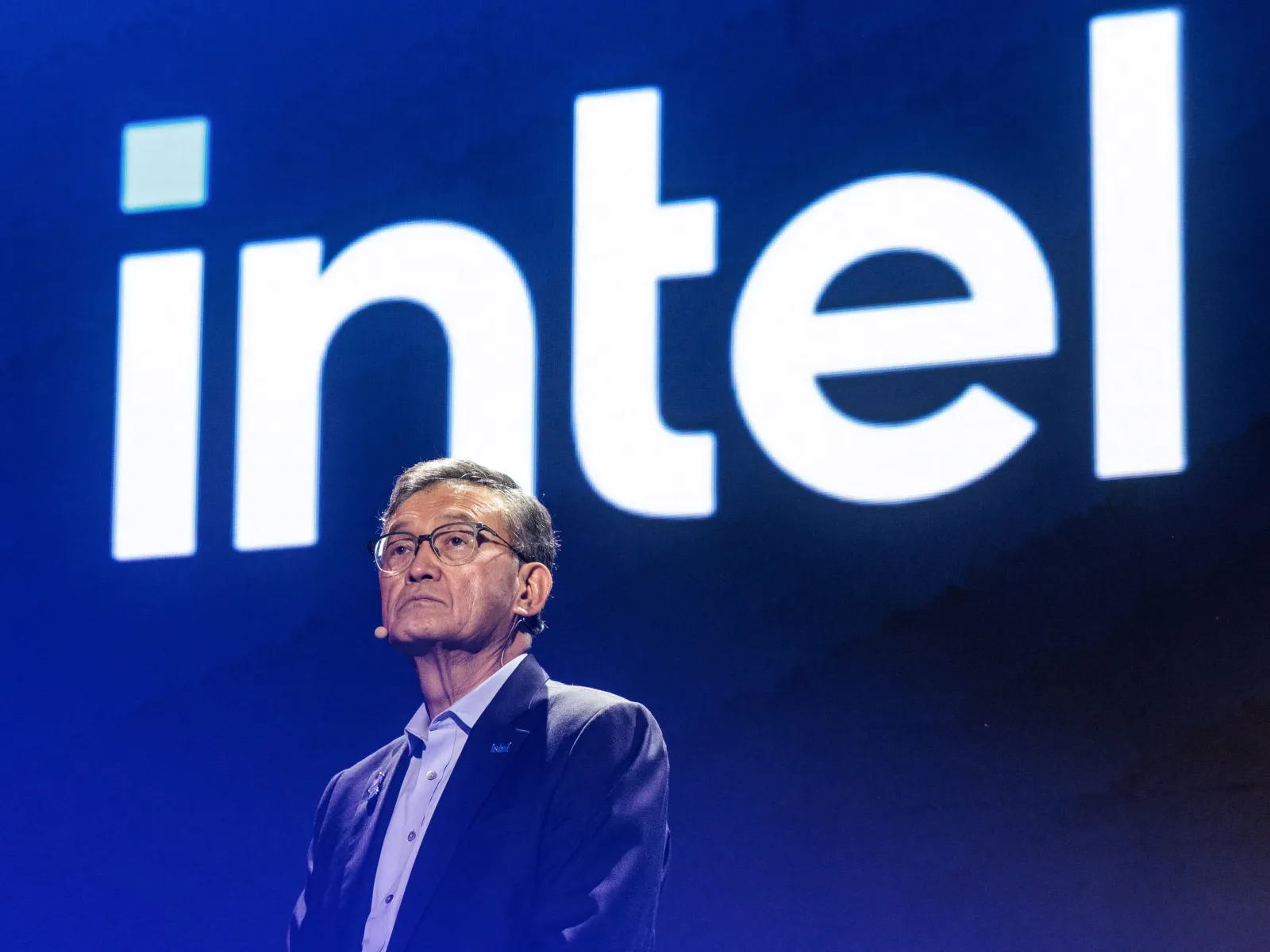
Intel, led by CEO Lip-Bu Tan, confirmed it is planning layoffs within its data center group (DCG). The company frames the moves as organization alignment for long-term success, raising near-term uncertainty for affected employees and investors watching DCG execution.
Intel is planning layoffs within its data center group (DCG), and the company is explicitly tying the cuts to how DCG is organized. An Intel spokesperson told Business Insider on Tuesday that “as part of our broader strategy to become a more focused and efficient company, Intel's data center group (DCG) is aligning its organization to ensure it has the right roles and skills in place to position the business for long-term success.”
The immediate consequence is straightforward but important: Intel has not said how many employees will be impacted, and it is also unclear how the internal shift will land for workers day-to-day. A person familiar with the matter told Business Insider that the changes would not affect the data center group's product commitments and roadmaps, and should help streamline the business. In other words, Intel is attempting to separate “organizational alignment” from “product disruption,” at least on paper.
This is not happening in a vacuum. Business Insider reports that Intel has steadily reduced its workforce in recent years, with the new round of job cuts arriving after prior cuts that already reshaped company staffing. Last year, Intel laid off at least 15% of its factory workers, or more than 5,000 employees across four US states. At the time, an Intel spokesperson said, “Removing organizational complexity and empowering our engineers will enable us to better serve the needs of our customers and strengthen our execution.”
And the DCG layoffs add to a broader cost-pressure narrative that has been building inside the company. In August 2024, Intel announced more than 15,000 job cuts as part of a plan to deliver $10 billion in cost savings for 2025. Put together, these moves suggest Intel is treating workforce and structure as levers to improve execution, reduce overhead complexity, and free management and engineering focus for where leadership believes the product roadmap needs to land.
What Intel is describing is organizational re-alignment, not an admission that DCG is fundamentally failing. The spokesperson told Business Insider that Intel is committed to treating impacted employees “with respect” and providing “resources to support them through this transition.” That language matters because it is both a human statement and a risk-management statement. Layoffs can trigger internal morale damage, retention problems for key engineers, and external scrutiny, particularly when the company is operating in a politically sensitive area: advanced chips and critical infrastructure-adjacent supply chains.
There is also an execution logic embedded in the spokesperson’s wording. “Aligning its organization” to ensure “the right roles and skills” is a classic restructuring frame. It implies that DCG leadership believes the business has too much mismatch between staffing and priorities, perhaps around engineering capacity, product integration, customer programs, or specific platform work. Business Insider’s “person familiar with the matter” note that roadmaps and product commitments should not be affected suggests Intel is trying to reallocate without renegotiating.
This becomes more consequential when you zoom out to how semiconductor companies win in data center markets. Competitors are constantly rearranging teams, but the hardest part for any chipmaker is making sure software, systems engineering, and product schedules stay in sync with customers’ adoption timelines. If internal changes accidentally slow platform work or disrupt product qualification, the damage can be long-lived. Intel appears to be pre-empting that worry by stating that the changes should not affect roadmaps.
Finally, the news adds another chapter to Intel’s broader attempt to become “more focused and efficient,” a phrase Intel has used across multiple rounds of reduction. News of the planned layoffs was first reported by The Oregonian, and Intel confirmed the plan to Business Insider. For investors, partners, and anyone running enterprise tech procurement, the key stake is not just that layoffs are happening. It is whether DCG can streamline execution without breaking continuity, and whether the organization model that emerges after cuts better supports the long-term success Intel says it is positioning for.
If you are a board member, an operator in a scaling business, or an executive at a rival, the second-order takeaway is clear. Workforce changes are being treated as a strategic tool to reduce complexity and sharpen focus, even in a high-stakes category where product timing and customer confidence are everything. The “no roadmap disruption” claim will be tested over the next quarters, as DCG’s delivery cycle becomes the proof, not the press release.
This story's Key Insights and Take-aways are locked.
Create a free account to unlock Executive Actions for one credit.
Register to UnlockAlways free for Executives Club members. Join the Club
More in Business

Anthropic’s Levant Alpöge cracks the Jacobian conjecture after 87 years
A Harvard valedictorian used Claude to hit a 1939 breakthrough, but the missing “why” is the real problem.

Uber buys Delivery Hero for nearly $15B, vaulting to top food delivery outside China
The deal doubles Uber's dual-services footprint and pushes a ride-and-eats bundling play into 50 more markets.

Epic and Google drop settlement bid, forcing rival Android app stores by July 22
Google told the court it is ready to carry third-party app stores starting Wednesday, July 22.