
iOS 27 keeps iPhone support intact, but iPadOS 27 drops A12-era models
Apple will extend iOS 27 to iPhone 11 and iPhone SE (2nd gen), while trimming iPadOS 27 support for select iPads.
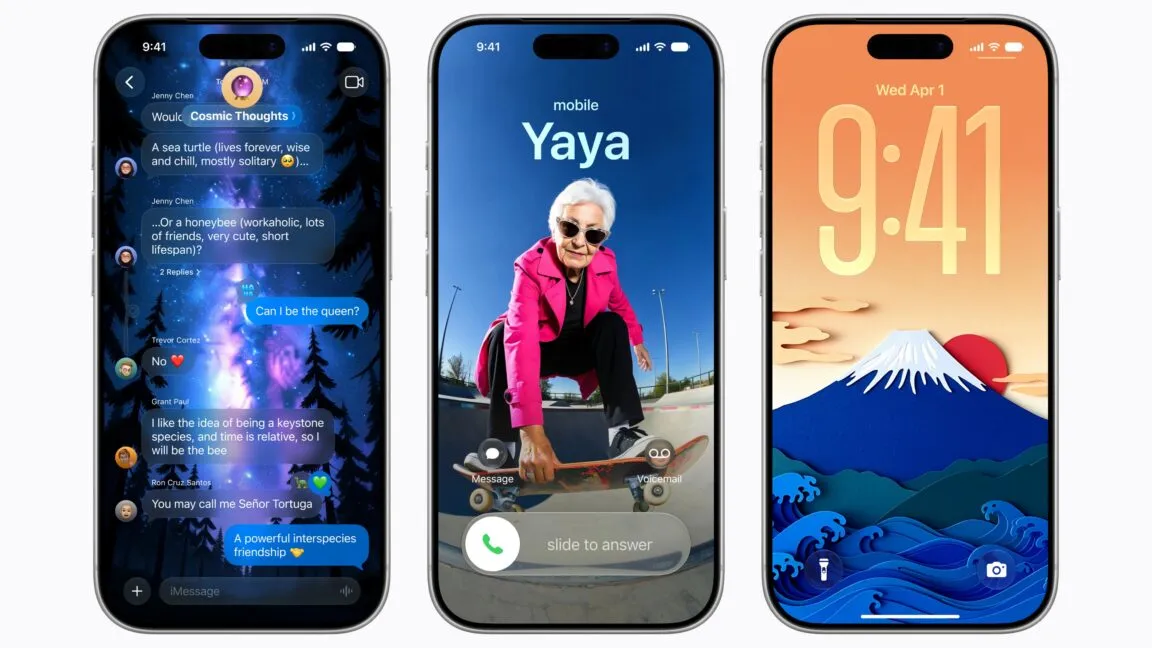
Apple’s iOS 27 runs on every iPhone that can run iOS 26, including iPhone 11 and the second-generation iPhone SE, according to its compatibility lists. iPadOS 27 keeps fewer older devices, dropping several A12 Bionic-based iPads, while Apple Intelligence features remain limited by RAM and device generation.
Apple is taking a rare “mostly good news” swing on device longevity this year. iOS 27 will run on all iPhones that can already run iOS 26, stretching support all the way back to the iPhone 11 and the second-generation iPhone SE. In practical terms, if your iPhone is old enough to be “aging,” Apple is still saying, “you’re in,” at least on the iOS side.
The iPad story is more surgical. iPadOS 27 will not support a handful of older models, specifically the 3rd-generation iPad Air, the 8th-generation iPad, and the 5th-generation iPad mini. Ars Technica notes these dropped devices all use an older A12 Bionic chip, while the supported iPads use an A13 or better. Translation: Apple is drawing a line not around the iPad brand, but around chip generation.
There is also a performance carrot baked into the policy. Apple says owners of older devices should see performance improvements in iOS 27, thanks in part to an updated CPU scheduler. Ars reports this scheduler was apparently already included with newer iPhones, and Apple has ported it back to older devices with this release. This matters because it is not just about “whether apps run,” but whether the system feels snappier, which affects retention, customer satisfaction, and how quickly people feel pressure to upgrade.
But the plot thickens when you factor in Apple Intelligence. Even if a device qualifies for the baseline OS, many of the new features Apple discussed require Apple Intelligence support, and that support remains confined to newer devices. On iPhone, Apple Intelligence needs at least 8GB of RAM and requires an iPhone 15 Pro or newer, an iPhone 16 or newer, or an iPhone Air. On iPad, support requires an iPad Air or iPad Pro with an M1 or newer. So the headline-friendly takeaway is: “older phones keep working.” The more consequential reality is: “the star features still funnel to newer hardware.”
This kind of split rollout is increasingly common in platform ecosystems. Software eligibility and feature eligibility are no longer the same thing. Boards and decision-makers in tech, media, and consumer apps should treat iOS 27 and iPadOS 27 as a two-layer world: compatibility determines install base and upgrade willingness, while hardware-gated intelligence features determine where premium experiences can actually run. If your product depends on AI-assisted workflows, you need to plan for a potentially uneven adoption curve even among devices that can install the OS.
There is also an important “portability” signal in Apple’s approach. By porting the CPU scheduler to older devices, Apple is demonstrating that some system-level improvements can be backfilled without requiring the newest chip architecture. That can be good news for developers because it reduces the “it only feels fast on flagship” complaint. At the same time, the AI constraint is not something a scheduler can solve, because it is tied to device memory and platform requirements that Apple has explicitly set.
Zoom out, and this becomes a budgeting story. Enterprises, app businesses, and even consumer services plan roadmaps around the devices they can realistically support. If iOS 27 continues to cover iPhone 11 and the second-generation iPhone SE, that reduces fragmentation pressure for iPhone-focused apps. But iPadOS 27 dropping A12-era models means there will be a smaller “long tail” for iPad-specific compatibility. The second-order effect is that some app teams may prioritize iPhone performance and iPad feature parity differently, especially if Apple Intelligence features are involved.
Finally, there is the strategic stake for anyone operating in the Apple ecosystem. Apple is simultaneously protecting the installed base on iPhone while pruning certain older iPads based on chip generation. That is a clear, operational message: Apple is willing to extend system support longer for phones, but it will keep the cutting edge constrained where performance, memory, and AI workloads demand it. For executives overseeing product compatibility, developer relations, and revenue forecasting, the question is not “will the OS run?” It is “which parts of the roadmap will work on the devices your customers actually still have?”
This story's Key Insights and Take-aways are locked.
Create a free account to unlock Executive Actions for one credit.
Register to UnlockAlways free for Executives Club members. Join the Club
More in Technology

OpenAI says 10,000 agents cracked a 90-year math problem in 88 hours
The company's claim is audacious, but one mathematician is pushing back. Here's what it means for AI-driven discovery.
Meta still serves child sexual abuse ads on Instagram in India - BBC report
A new report following the BBC Eye investigation says the ads are still there - what it signals for every platform with a self-serve ad engine.
White House yanks 'Build the Wall' game after Tetris Company copyright warning
The administration's arcade game vanished in hours - and the takedown playbook every brand can learn from.