

iOS 27 quietly adds Bluetooth Channel Sounding support, but Bluetooth 6.3 is the real gate
Apple’s WWDC surfaced Channel Sounding support in iOS 27, yet the market impact waits for Bluetooth 6.3’s official release.

Apple unveiled iOS 27 support for Channel Sounding at WWDC, a capability tied to Bluetooth standards. For decision-makers, the near-term product story depends on when Bluetooth 6.3 officially lands, not when iOS ships.
One less-discussed iOS 27 feature from Apple’s WWDC is now a big lever for anyone betting on location-aware Bluetooth devices: iPhone support for Channel Sounding via Bluetooth. In plain terms, Channel Sounding is part of the pathway toward more precise “where is this device?” experiences, because it enables the kind of signal characterization Bluetooth devices need to estimate positioning more accurately than older approaches.
But here is the catch, and it matters to strategy: the real market moment arrives when Bluetooth 6.3 officially releases. ZDNet’s framing is direct that the iOS capability is not the finish line. It is a prerequisite. The functionality, adoption curve, and ecosystem momentum all hinge on the Bluetooth side becoming broadly available and compliant with Bluetooth 6.3 as the standard baseline.
So what did Apple actually do? At WWDC, it unveiled iOS 27 support for Channel Sounding. That means iPhones are moving to be ready to use the feature when the broader Bluetooth capability is available. From a product planning standpoint, this is the difference between “we can support it” and “we can support it in a way that the market can use immediately.” iOS readiness is necessary, but until Bluetooth 6.3 is officially released, partners, device makers, and enterprise buyers have a reason to wait or at least limit deployments.
To understand why this timing is consequential, look at how Bluetooth ecosystems typically roll out. Bluetooth features are not just software toggles. They require compatible devices, chipsets, profiles, and stack behavior across a chain that includes the phone, the peripheral, and sometimes the infrastructure in between. When a platform like iOS signals support early, it reduces uncertainty for manufacturers and software vendors. But adoption still follows the standard. Decision-makers can think of Apple’s WWDC announcement as moving the “phone end” of the equation forward, while Bluetooth 6.3 moves the “radio end” forward.
There is also a second-order effect that gets overlooked when teams focus only on the headline feature. When a new sensing capability becomes available through mainstream platforms, it can reshape competitive expectations across categories like asset tracking, indoor navigation, and proximity experiences. Even if Channel Sounding is only “quietly” introduced, the ecosystem often treats these signals as a read-through for what is coming next. In other words, iOS 27 support can accelerate planning cycles for vendors who want to build experiences around improved ranging, because Apple is telling them the iPhone side will be there.
Now add the timing constraint ZDNet highlights: Bluetooth 6.3 official release. That is when the capability stops being an “upcoming possibility” and becomes a “supported reality.” In executive terms, it changes the schedule for pilots, rollouts, and procurement decisions. If your organization builds hardware, you care about when chips and firmware can claim the feature. If you sell software, you care about when enough devices in the field can run the experience. If you run operations in retail, logistics, or facilities, you care about when it becomes reliable enough to justify integration work.
Finally, there is the governance layer. While ZDNet does not cite regulatory actions in the source snippet, location and sensing features inevitably brush up against privacy expectations and enterprise compliance processes. The way this plays out in practice is less about a specific regulator name showing up in the announcement and more about the reality that enterprises will demand clarity on how signal-based positioning is used, measured, and controlled. A platform readiness announcement from Apple creates momentum for capabilities that enterprises will eventually scrutinize, which means your internal controls and documentation planning should start before Bluetooth 6.3 makes it widely usable.
For executives and board-level decision-makers, the strategic stakes are straightforward. iOS 27 support for Channel Sounding signals that Apple is moving the iPhone to be a ready client. But the adoption curve and real business value follow Bluetooth 6.3’s official release. If you are allocating engineering, partnerships, or capital toward proximity and location experiences, you should treat the iPhone update as the enabling step, and treat Bluetooth 6.3 as the adoption trigger.
This story's Key Insights and Take-aways are locked.
Create a free account to unlock Executive Actions for one credit.
Register to UnlockAlways free for Executives Club members. Join the Club
More in Technology

Nvidia's $89B data center quarter: the 9 companies cashing in
The AI buildout is minting fortunes beyond GPUs, and memory, cloud, and cooling suppliers are riding the same wave.
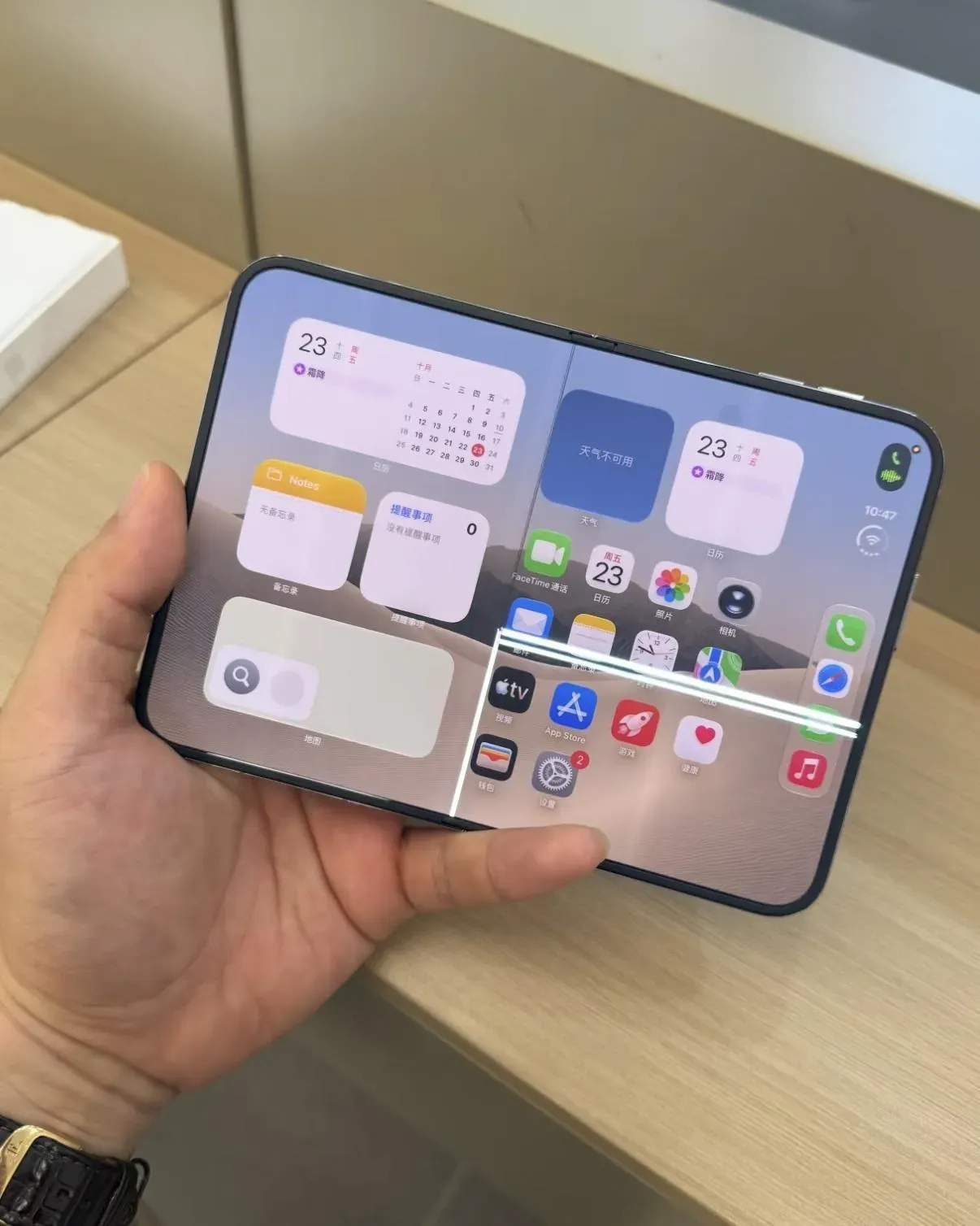
A YouTuber dissected the iPhone Duo and thinks he found crackgate's cause
CuriousHagi's teardown of Apple's foldable reveals a gear-like hinge that may explain why screens crack in the same spot within hours.

Google quietly links your phone number to every Android account on your SIM
Adding a SIM now ties your phone number to all Google accounts - and future accounts inherit it. Here's the security and privacy stakes.