
Iran's president: missiles 'of no use' as US blockade crushes trade
With oil exports down 80% and inflation above 80%, Tehran's moderates are signaling cracks - here's the strategic fallout for energy markets.
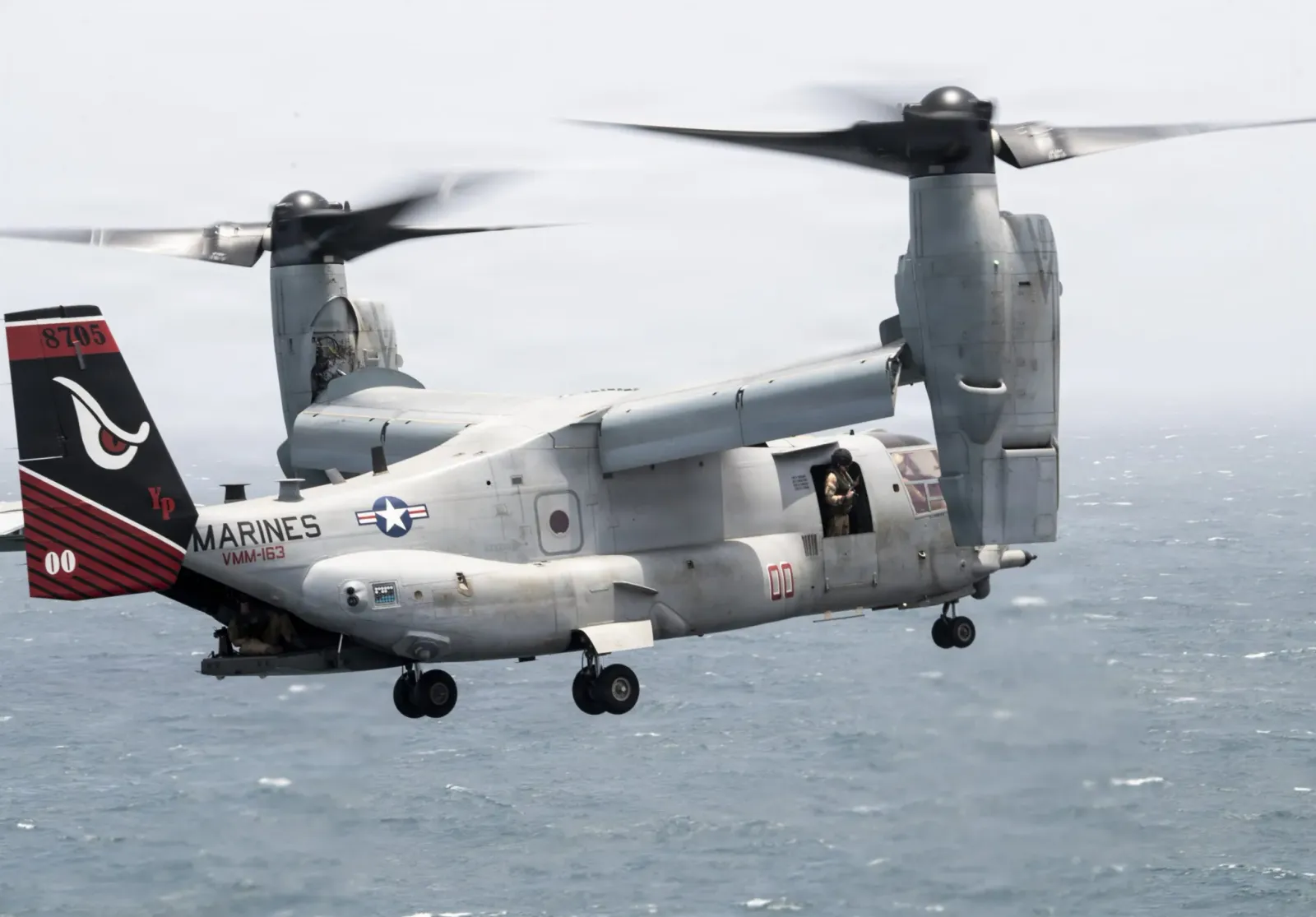
Iranian President Masoud Pezeshkian admitted in a state-media interview that missiles are 'of no use' against the U.S. naval blockade, as inflation tops 80% and crude exports collapse. The concession signals Iran's weakened leverage over the Strait of Hormuz and raises the odds of a policy shift that could reshape global oil supply.
Iranian President Masoud Pezeshkian conceded in a state-media interview that his country's missiles and bombs are "of no use" against the U.S. naval blockade strangling its economy - a striking admission from a leader whose regime has long brandished its arsenal as a deterrent. The comment came as inflation soars above 80%, prices for certain food staples are up 100%, and the International Monetary Fund projects Iran's economy will shrink 6.1% this year, the worst contraction in decades. Pezeshkian's own labor ministry estimates more than 1 million jobs were lost by late May, and he acknowledged that imports, including gasoline, are not coming in.
The numbers behind his frustration are stark. Pezeshkian estimated that Iranian trade has plunged 25%-35%, with imports down significantly more than exports. Trade intelligence firm Kpler said Iran's August crude export loadings collapsed more than 80% compared to a year ago. The U.S. military, which reimposed the naval blockade, has redirected 82 commercial vessels, disabled three, and boarded two to ensure compliance, Central Command said on Friday. "Some people say that sanctions have no effect at all," Pezeshkian said. "I really don't know what to tell these people. I just want to say this, saying that sanctions have no effect is not consistent with these facts."
The blockade is not just choking Iran's oil exports; it is also loosening Tehran's grip on the Strait of Hormuz, the world's most critical energy chokepoint. Last week, U.S. forces completed clearing sea mines from the strait's international shipping routes. According to Goldman Sachs, total exports of crude and oil products from the region have risen to 15 million-16 million barrels a day, and Kpler said oil flows from the Persian Gulf have recovered to around 70% of pre-war levels. U.S. officials told Axios that about 10 million barrels a day are now moving through the Omani corridor the U.S. military is defending - a southern route along Oman's coast that bypasses Iran's traditional control points.
Pezeskian's interview revealed the domestic pressure building beneath the surface. He described efforts to curb fuel demand and hike prices but hinted they cannot go too far. "We shouldn't make someone whose life revolves around gasoline suffer," he explained. "We shouldn't put more pressure on those who are already under pressure. People are on the edge now; if I put more pressure on them, they might fall off the edge. We have to be careful that no one falls off." The shortages have created long lines at gas stations, made worse by deep subsidies that encourage excess consumption - a politically explosive issue in a country where fuel is a daily necessity.
The U.S. military continues to degrade Iran's ability to close the strait. A two-week stretch of bombing last month destroyed Iran's radar and maritime surveillance systems, making it easier for tankers to sail through undetected at night with transponders off. This has allowed vessels to make shuttle runs in and out, then unload oil to other tankers that deliver to customers. On Sunday, U.S. forces struck Iranian rocket launchers that were preparing to deploy sea mines in the strait. Iran is still attacking ships, but that has not been enough to stop traffic.
Gregory Brew, an expert on Iran and oil at the Eurasia Group, said on X that Iran overplayed its hand in July when it resumed attacks on shipping in the strait's southern route. "The result: the MOU is dead, the blockade is back in place, and the US is succeeding (to a partial, but notable extent) at reopening the strait without another deal," he added. "Perhaps the status quo swings back in Iran's favor, but right now this looks like a miscalculation to me." The reference is to the memorandum of understanding that had previously eased tensions, now abandoned.
For global energy markets, the implications are significant. If Iran's leverage over Hormuz continues to erode, the geopolitical risk premium embedded in oil prices could shrink, potentially pressuring prices lower. For executives in shipping, insurance, and energy trading, the reopening of the strait means more supply reliability but also a need to reassess risk models that assumed Iran could disrupt flows. For boards and CFOs, the bigger strategic question is whether Pezeshkian's admission signals a genuine opening for negotiations - or just a tactical plea for relief. His comments about missiles being "of no use" are a direct rebuke to hardliners who reject talks with the U.S., and they suggest the moderates are gaining political cover to pursue a different path. If that happens, sanctions could ease, and Iran's oil could return to global markets faster than many expect, reshaping supply dynamics for years.
This story's Key Insights and Take-aways are locked.
Create a free account to unlock Executive Actions for one credit.
Register to UnlockAlways free for Executives Club members. Join the Club
More in Business
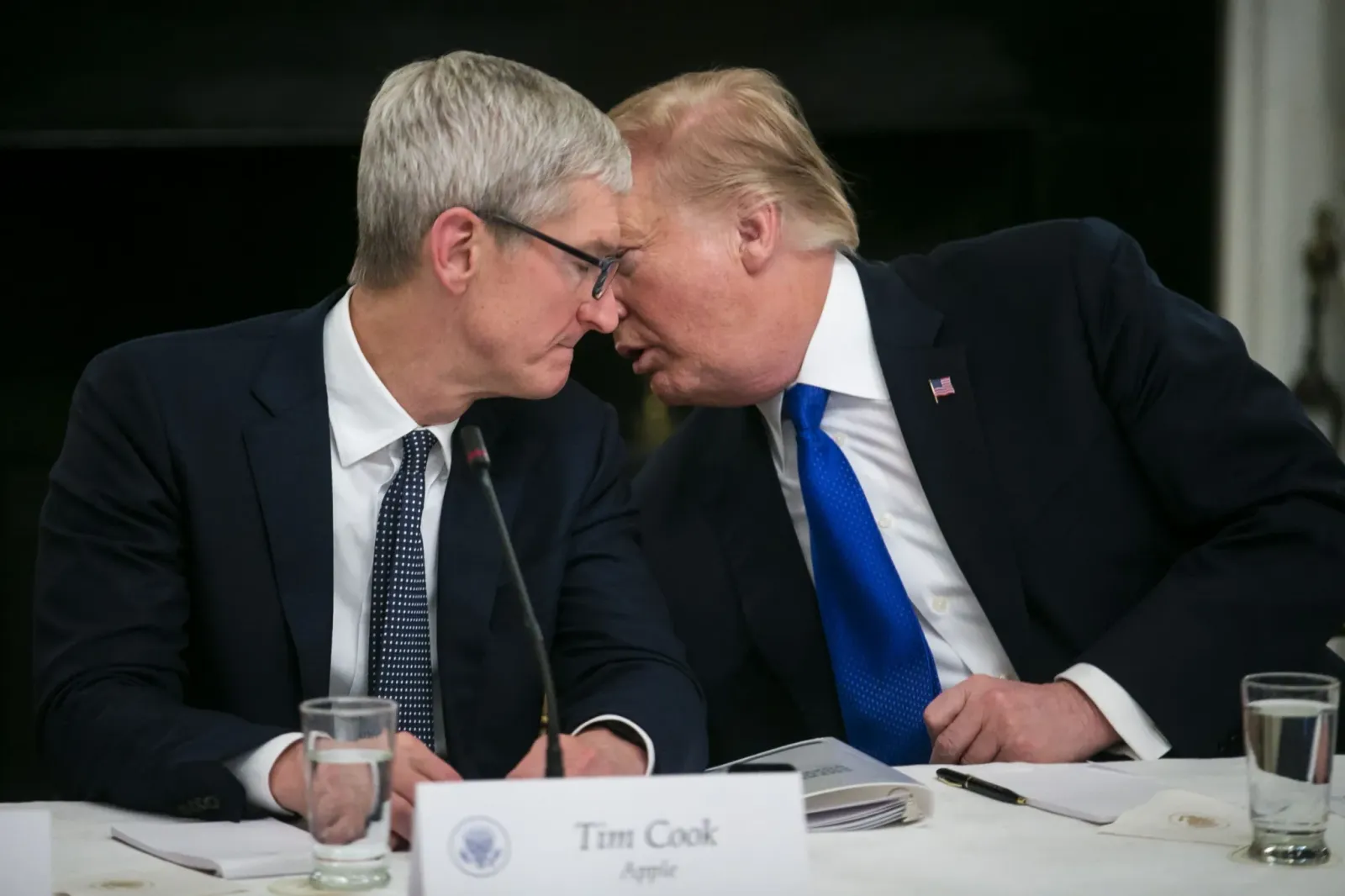
Tim Cook steps down as Apple CEO, stays on as chair with $45M equity
The 'Trump whisperer' keeps his White House and Beijing access as Apple navigates tariffs and a $4.6 trillion market cap.

Snowflake shares surge as AI data demand crushes estimates, lifting full-year forecast
Stocks jumped on stronger-than-expected guidance, signaling enterprise AI workloads are accelerating faster than Wall Street priced in.

Tim Cook's 15-year Apple CEO run ends: 3 lessons for any successor
After 15 years, Tim Cook hands Apple to John Ternus - here's how he turned a $350B company into a $4.6T juggernaut.