

Isar Aerospace puts Europe's first commercial rocket in orbit, a year after a 30-second crash
The German startup's two-stage Spectrum reached low Earth orbit from Norway, breaking Europe's reliance on foreign launchers and opening a new chapter for the continent's space industry.
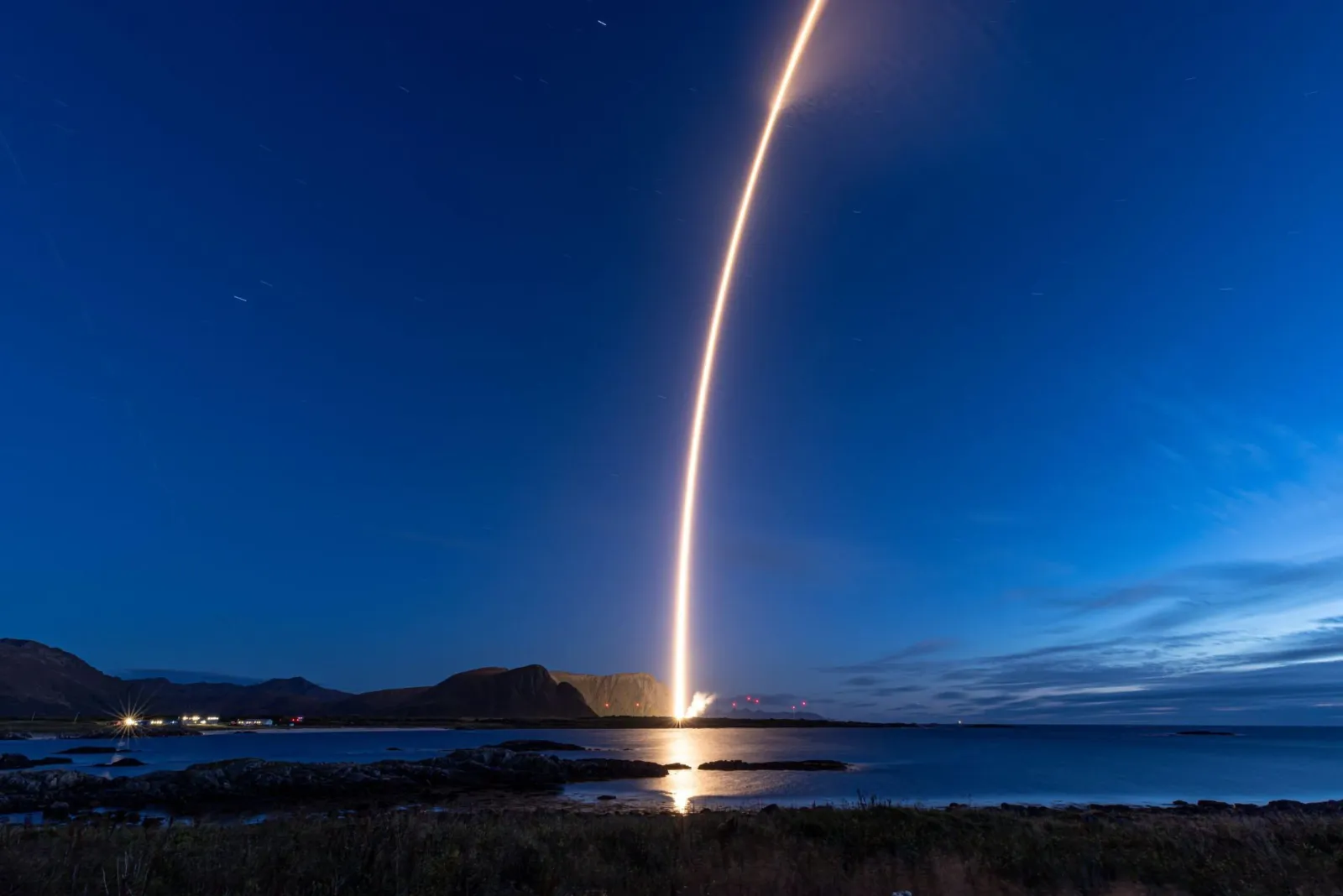
Isar Aerospace CEO and co-founder Daniel Metzler announced the successful launch of Europe's first entirely commercial orbital rocket, the two-stage Spectrum, from a Norwegian spaceport. The achievement gives commercial and institutional customers a true alternative in a launch market long dominated by a few players.
Isar Aerospace just did what no purely commercial European company has done before: it put a rocket into orbit. CEO and co-founder Daniel Metzler confirmed the two-stage Spectrum reached low Earth orbit from a Norwegian spaceport, a feat that comes roughly a year after the company's first attempt ended in a 30-second flight, a crash into the sea, and an explosion. The contrast could not be starker - and the stakes could not be higher for a continent that has watched its launch capabilities lag behind the United States and China for years.
Metzler framed the moment as a breakthrough for the entire industry. "Today, Isar Aerospace opened space from Continental Europe," he said in a press release. "Launch continues to be the largest bottleneck for the global space industry and from today on, there is a true alternative for commercial and institutional customers." That quote captures the strategic significance: Europe now has a homegrown, commercially operated path to orbit, one that does not depend on government-backed programs or foreign providers.
For decades, European launches have been synonymous with Arianespace, the intergovernmental venture that has dominated the continent's access to space with its Ariane family of rockets. But Arianespace is not a commercial startup; it is a political and industrial project, and its Ariane 6 has faced years of delays, leaving Europe temporarily without a heavy-lift option. In that vacuum, a handful of private startups emerged, and Isar Aerospace - founded in Munich in 2018 - became the first to actually deliver a payload to orbit. The company's Spectrum rocket is designed to be relatively small and flexible, targeting the growing market for small satellites and constellations.
The launch site itself is a telling detail. Isar chose to fly from a Norwegian spaceport, not from French Guiana where Arianespace operates. That decision reflects a broader shift: European space is no longer a single-country or single-agency story. Norway, with its northern latitude and clear skies, is becoming a hub for polar and sun-synchronous orbits, which are ideal for Earth-observation satellites. By launching from Norwegian soil, Isar gains access to these orbits without the logistical and political constraints of traditional European launch sites.
The road to this success was anything but smooth. In March of last year, Isar's first orbital attempt ended almost immediately. The Spectrum lifted off, flew for about 30 seconds, then lost control and crashed into the sea, exploding on impact. It was a spectacular failure, broadcast live to a global audience. But the company regrouped, analyzed the data, and returned with a successful mission. That resilience is exactly what the commercial space industry demands, and it sends a signal to customers and investors that Isar can iterate quickly and learn from mistakes.
For decision-makers across Europe, the implications are immediate. Any company or institution that needs to put a satellite into orbit - for communications, navigation, Earth observation, or scientific research - now has a credible commercial option based in Europe. This reduces dependence on SpaceX, which has become the default launch provider for many Western customers, and it also reduces the political risk of relying on non-European launchers. The European Space Agency and national governments have long pushed for a more autonomous launch capability; Isar's success delivers that in a way that no government program has managed to do in recent years.
The competitive landscape is also shifting. Isar's achievement raises the bar for other European launch startups, many of which are still in development. Investors will now expect faster progress and clearer milestones. Incumbents like Arianespace will face pressure to justify their cost structures and timelines when a nimble startup can go from failure to orbit in under a year. And globally, the launch market - already crowded with players like SpaceX, Rocket Lab, and Blue Origin - just got a new entrant with a distinctly European identity.
For executives and boards watching this space, the takeaway is not just that Isar succeeded, but that the bottleneck Metzler described is real and is being broken. Launch capacity has been the single greatest constraint on the growth of the space economy, limiting everything from satellite constellations to space tourism. Every new reliable launcher expands the pie. Isar's Spectrum is not a heavy-lift vehicle, but it is a proof point that commercial, non-government launch is viable in Europe. The question now is whether Isar can scale, whether it can achieve the launch cadence that customers demand, and whether its next flights will be as reliable as this one. The answer will determine whether Europe's first commercial rocket becomes a lasting force or a one-hit wonder.
This story's Key Insights and Take-aways are locked.
Create a free account to unlock Executive Actions for one credit.
Register to UnlockAlways free for Executives Club members. Join the Club
More in Business
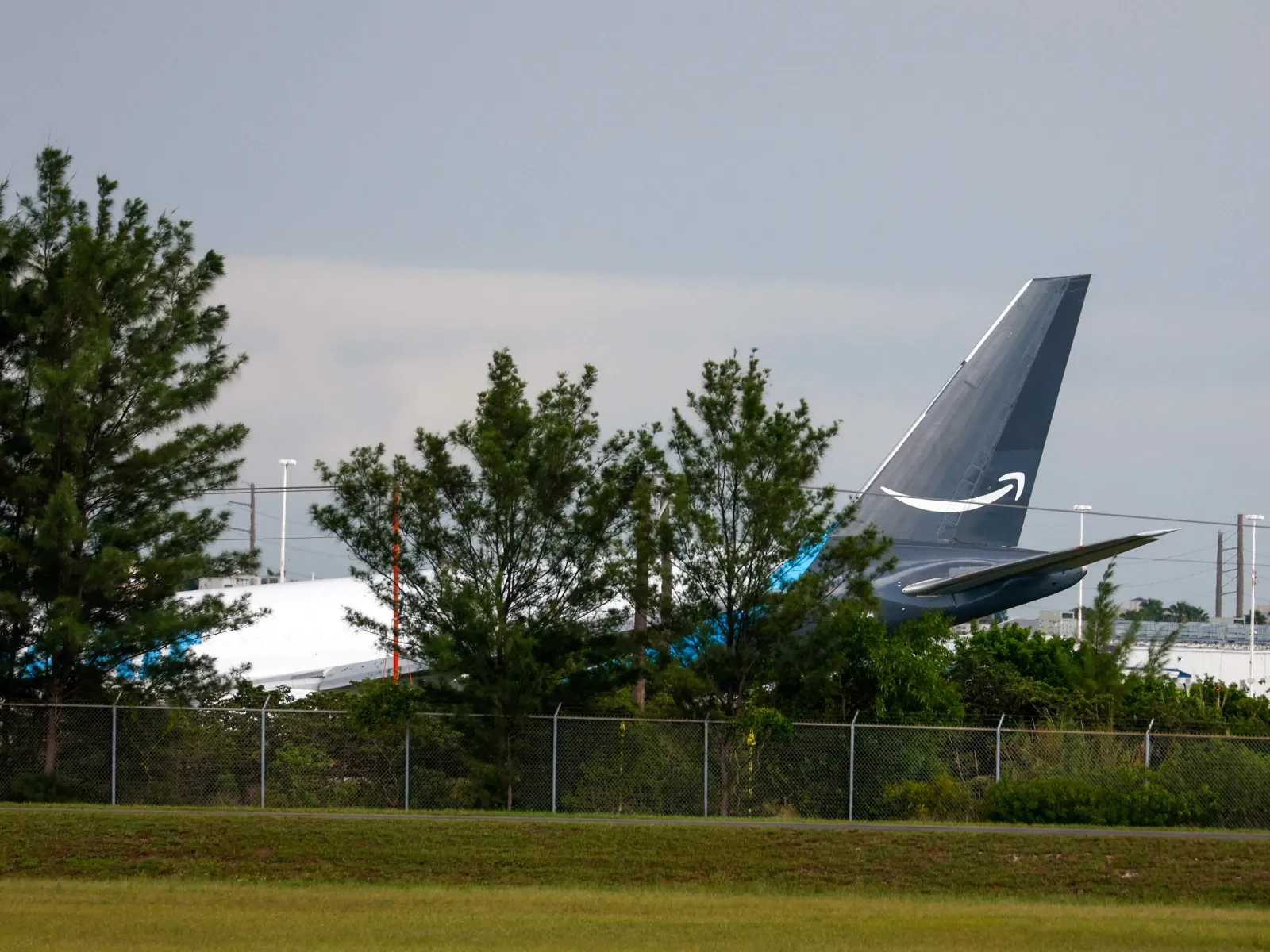
Amazon Prime Air 767 overshoots Miami runway, killing at least 5
The Boeing 767 freighter from San Juan struck vehicles and erupted in flames, prompting a ground stop and a fresh NTSB investigation into Amazon's air cargo network.

Death sentence for TV presenter Sarah Khalifa: Egypt's drug case hits media
The sentencing of Sarah Khalifa and 11 others underscores the severity of Egypt's anti-drug laws and the exposure of public figures to capital punishment.
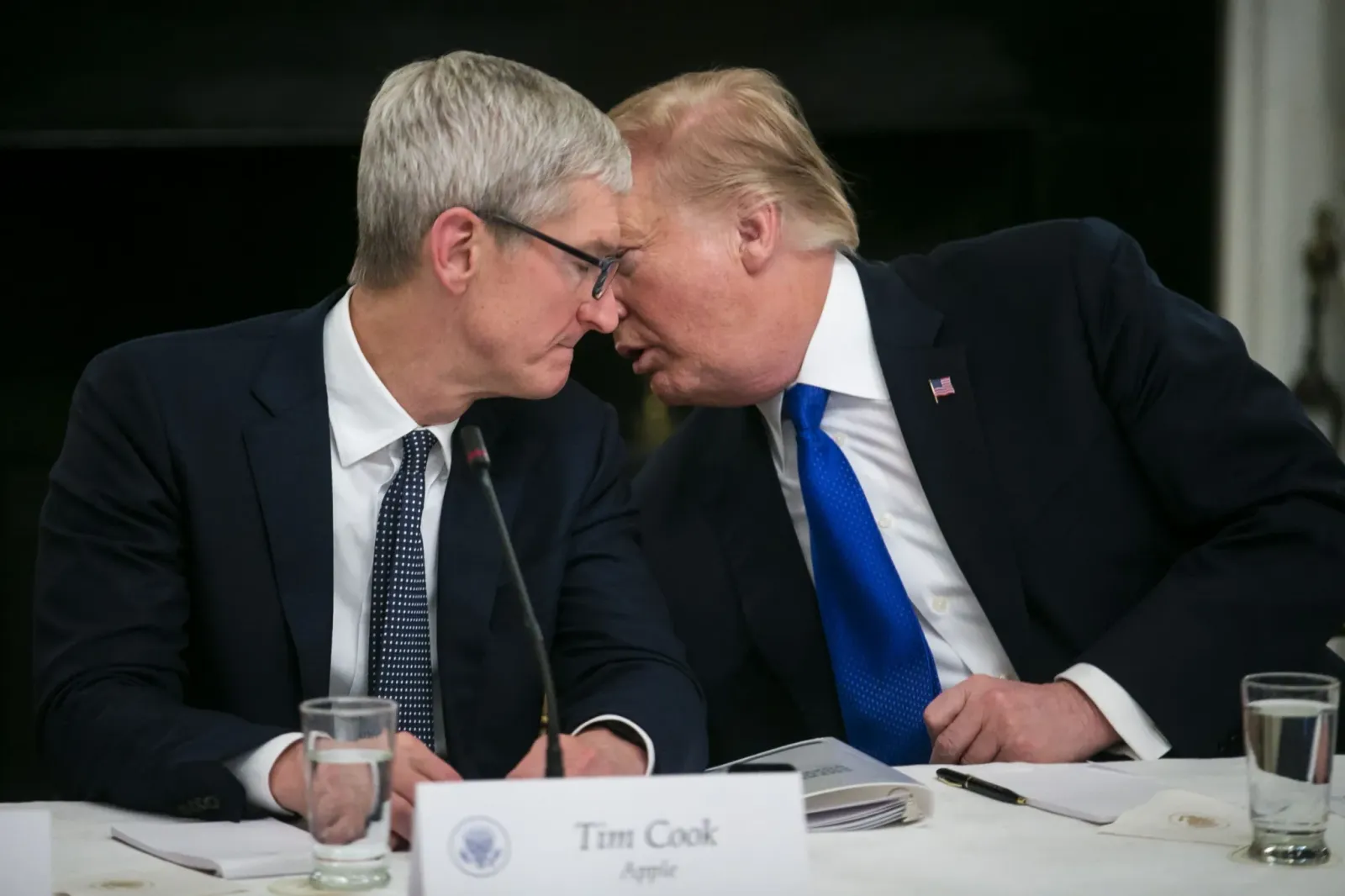
Tim Cook steps down as Apple CEO, stays on as chair with $45M equity
The 'Trump whisperer' keeps his White House and Beijing access as Apple navigates tariffs and a $4.6 trillion market cap.