
Israel reclassifies crocodiles as security tools, pushing Itamar Ben-Gvir's jailbreak defense plan
A regulator change turns a zoo animal into infrastructure, and it is aimed at preventing escape attempts from a prison holding Hamas militants.
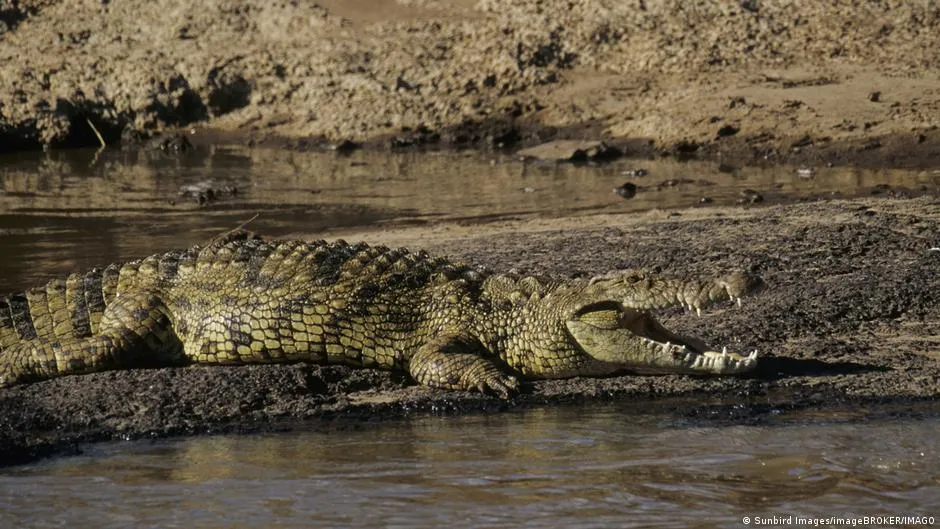
Israel's environment minister reclassified crocodiles so they can be used for security purposes. The move reportedly aligns with far-right Security Minister Itamar Ben-Gvir's plan to have crocodiles surround a jail holding Hamas militants.
Israel has taken an unusually literal step to tighten prison security: its environment minister has reclassified crocodiles so they can be used for security purposes. The policy shift is tied to a reported plan by far-right Security Minister Itamar Ben-Gvir, who wants crocodiles to surround a jail holding Hamas militants, with the aim of making prison breaks harder.
At face value, this is a story about animals. In practice, it is about how governments rewire rules when they believe a particular threat is urgent. Once the environment ministry changes classification, a creature that might typically fall under wildlife protection, animal welfare concerns, or ordinary conservation rules can be repurposed as a security asset. That is why the headline matters for decision-makers: regulatory categories are not just paperwork. They decide what is legal, what is operationally feasible, and what institutions can deploy without facing immediate legal or bureaucratic shutdown.
To understand why this is a big deal, you have to recognize how security and regulatory ecosystems collide. Prison security is a high-stakes domain where the tolerance for loopholes is low, but the operating room often runs into constraints from ministries that are responsible for environmental protection and wildlife. Reclassification is the mechanism governments use to remove that friction. It effectively tells relevant authorities that crocodiles can be treated as security-related infrastructure rather than merely protected wildlife.
There is also a political incentive underneath the policy move. The source links the reclassification to Ben-Gvir, a figure associated in the reporting with far-right positions, and frames his desire in a concrete way: he reportedly wants crocodiles surrounding a jail holding Hamas militants. In many political systems, security proposals create a feedback loop with regulators. If a minister publicly pushes a hard-edged deterrence strategy, the bureaucratic question becomes whether the rules can be bent, reinterpreted, or formally changed so implementation is possible.
For executives and boards in other countries, the second-order lesson is about speed. When the threat narrative shifts toward “escape” or “breakthrough,” agencies often move from debate to enablement. The regulatory pivot here suggests a willingness to restructure authority boundaries quickly. That matters not only for security operations but also for the administrative process itself: the more quickly a classification can be changed, the more quickly security planners can convert ideas into procedures.
There are operational and governance implications too. Using live animals for perimeter security is not a normal step for most correctional facilities. The key point from the source is the reclassification that makes this use possible, but the governance question for any oversight body is how such a policy is controlled, documented, and audited. Once a wildlife-based deterrent becomes legally permissible in a security context, it can raise complex management issues that typically sit at the intersection of environmental oversight, facility operations, and public accountability.
Finally, consider the strategic stakes beyond this single jail. Deterrence strategies in conflict zones often create ripple effects. If crocodiles become part of prison security planning, it signals a broader willingness to escalate unconventional barriers. For other officials designing detention regimes or prison policies, the reputational and political impacts can be significant, because the line between “deterrence” and “controversy” can move quickly once the legal gate is opened.
In short, Israel's environment minister did more than approve a tweak to wildlife rules. The reclassification clears way for crocodiles to be used for security purposes, and the reported beneficiary is a security plan tied to Ben-Gvir and a jail holding Hamas militants. For leaders watching governance under pressure, this is a reminder that regulations can be converted into tools, and that the question is not only what a security actor wants, but whether the regulatory system can be made to comply.
This story's Key Insights and Take-aways are locked.
Create a free account to unlock Executive Actions for one credit.
Register to UnlockAlways free for Executives Club members. Join the Club
More in Politics

LA County: DOJ's 20,000 'noncitizen' voter list is 'unreliable,' includes U.S.-born
Preliminary review by Los Angeles County election officials finds errors in the federal list, raising the stakes for voter roll integrity ahead of November.

Trump's $1.5B Pentagon chip investment lands in North Carolina
A $1.5 billion defense infusion for North Carolina chipmaking signals a new era of Pentagon-backed reshoring - here's what it means for the industry.

Nigeria confirms first Ebola case in Abuja, a woman just off a Uganda flight
Health Minister Muhammad Ali Pate says the patient flew in from Uganda, putting Africa's latest outbreak on Nigeria's doorstep.