
Itochu chairman 'welcomes' more Berkshire capital as Buffett deepens Japan bet
Berkshire Hathaway's stake in Japan's five trading houses is growing, and Itochu's chairman is signaling the door is open for more.
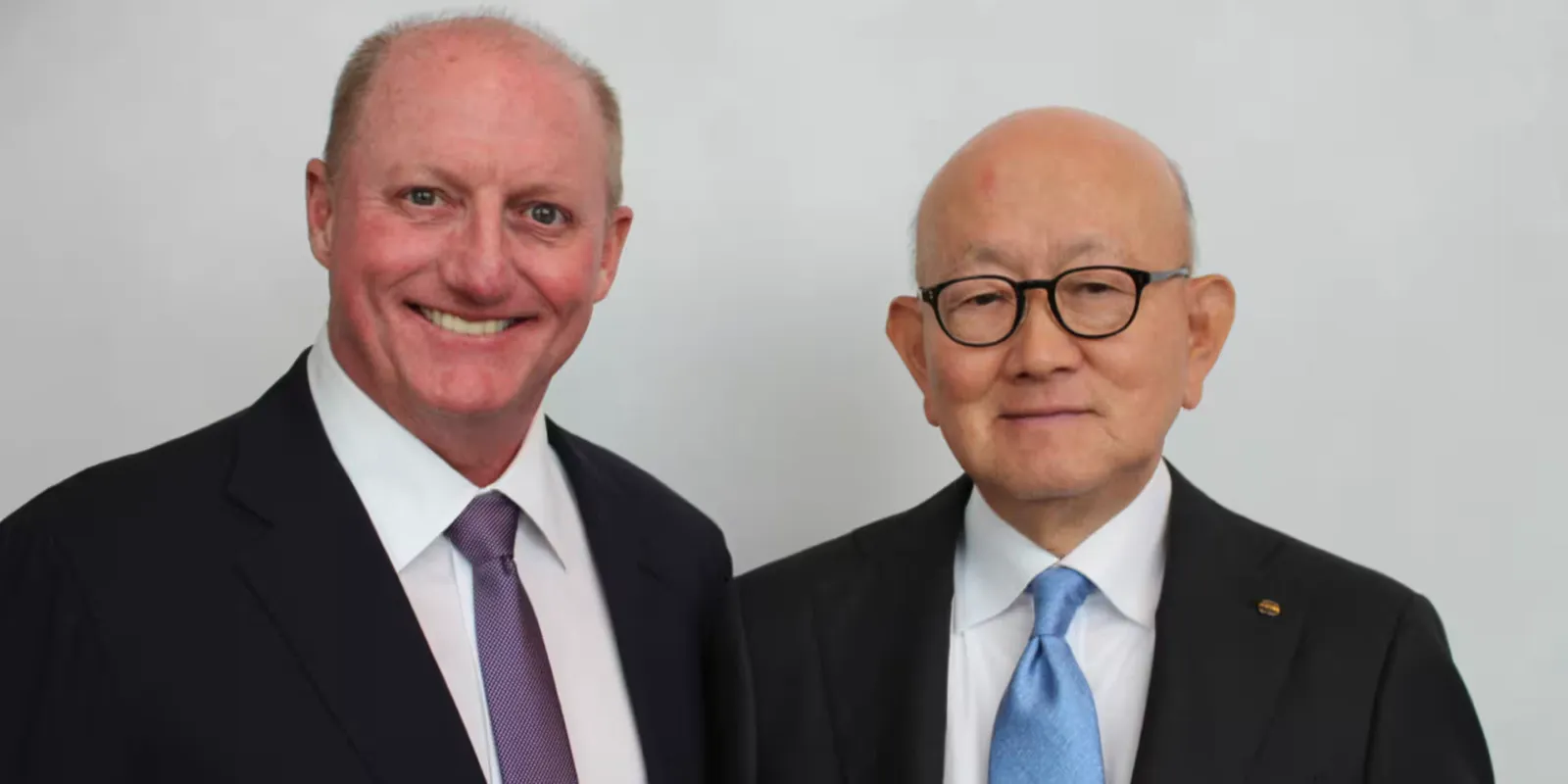
Itochu chairman Masahiro Okafuji said he would welcome additional investment from Berkshire Hathaway, which has been raising its stakes in Japan's five biggest trading houses. The comment signals that one of Japan's most influential executives sees Berkshire's growing presence as a strategic asset, not a threat.
Itochu chairman Masahiro Okafuji said he would welcome more capital from Warren Buffett's Berkshire Hathaway, a signal that Japan's trading houses are comfortable with the American conglomerate's deepening footprint. In comments reported by Nikkei Asia, Okafuji said he "welcomes" additional investment from Berkshire, which has been steadily increasing its stakes in Japan's five major sogo shosha since 2020. The remark is the clearest public endorsement yet from a top executive at one of those firms, and it lands as Berkshire's holdings in the sector approach levels that would normally trigger scrutiny from boards and regulators alike.
Berkshire first disclosed its positions in Itochu, Marubeni, Mitsubishi, Mitsui, and Sumitomo in August 2020, a surprise move that Buffett framed as a long-term bet on Japan's trading houses and their diversified cash flows. Since then, Berkshire has raised its stakes multiple times, and the five companies have become a cornerstone of Buffett's international portfolio. Okafuji's welcome mat matters because Itochu is the largest of the five by market value, and its chairman is widely regarded as one of the most influential voices in Japanese corporate governance. When the head of the biggest trading house says he wants more Berkshire money, it removes a key layer of uncertainty for Buffett's team.
The trading houses, known as sogo shosha, are a uniquely Japanese institution: conglomerates that trade everything from grain and liquefied natural gas to iron ore and textiles, while also investing in infrastructure, retail, and technology projects around the world. Their earnings have surged in recent years on the back of high commodity prices, and their shares have rallied as they returned more cash to shareholders through buybacks and higher dividends. That combination of strong cash generation, improving governance, and reasonable valuations is exactly what attracted Berkshire, which has historically preferred to buy and hold businesses with durable competitive advantages rather than trade in and out of positions.
For Itochu, the relationship with Berkshire is more than a passive investment. Berkshire's presence has been a powerful endorsement of Itochu's management and its push to improve returns on equity, a metric that Japanese companies have long lagged global peers on. Okafuji has been a vocal advocate of corporate governance reform, and having Buffett as a major shareholder gives him cover to push for changes that might otherwise face resistance from entrenched interests. It also signals to global investors that Japan's trading houses are no longer the opaque, low-return conglomerates they were in the 1990s, but rather disciplined capital allocators in their own right.
The timing is notable. Berkshire has been raising its stakes in the five houses in lockstep, and its holdings are now large enough that any further increases would require regulatory filings and could eventually approach thresholds that trigger mandatory tender offer rules under Japanese law. Under Japan's Financial Instruments and Exchange Act, an investor that crosses 5% must file a large shareholding report, and Berkshire has already crossed that line with all five companies. A move above one-third of a company's shares would require a tender offer, a level Berkshire has shown no sign of approaching, but the steady accumulation has nonetheless put the market on notice that Buffett is serious about Japan.
Okafuji's comments also carry a strategic message for other global investors. If the chairman of Itochu is publicly welcoming more Berkshire capital, it suggests the trading houses see foreign investment as a catalyst for further value creation rather than a threat to their autonomy. That is a meaningful shift for a country where hostile takeovers and activist investors were once viewed with deep suspicion. Japan's corporate governance code has been revised repeatedly over the past decade to encourage more independent directors, better disclosure, and greater attention to shareholder returns, and the trading houses have been among the most responsive large companies.
For Berkshire, the endorsement from Okafuji reduces the political and reputational risk of increasing its stakes. Buffett has said he wants to hold the investments for decades, and having the explicit support of the companies themselves makes it easier to justify further purchases to Berkshire shareholders. It also strengthens the case that Berkshire's Japan strategy is not a short-term trade but a core part of its capital allocation plan, funded in part by yen-denominated bonds that Berkshire has issued at low interest rates, a structure that gives it a natural hedge against currency fluctuations.
The broader lesson for executives and boards is that a large, patient, and friendly shareholder can be a strategic asset rather than a threat. Okafuji's welcome is a reminder that capital is not just a number on a balance sheet; it is a signal of confidence that can lower a company's cost of capital, support its share price, and give management more room to execute long-term plans. For companies in other markets that are wary of concentrated ownership, the Itochu example shows that a well-aligned anchor investor can be a powerful ally, especially when that investor is willing to hold through cycles and publicly praise management.
For Buffett, the path is now clearer than ever. With the chairman of the largest trading house saying he wants more Berkshire capital, the only question is how much more Berkshire will buy, and at what pace. The market will be watching the next round of regulatory filings for clues, and every percentage point increase will be parsed for what it says about Buffett's conviction. For now, the message from Tokyo is unambiguous: the door is open, and the welcome mat is out.
This story's Key Insights and Take-aways are locked.
Create a free account to unlock Executive Actions for one credit.
Register to UnlockAlways free for Executives Club members. Join the Club
More in Business
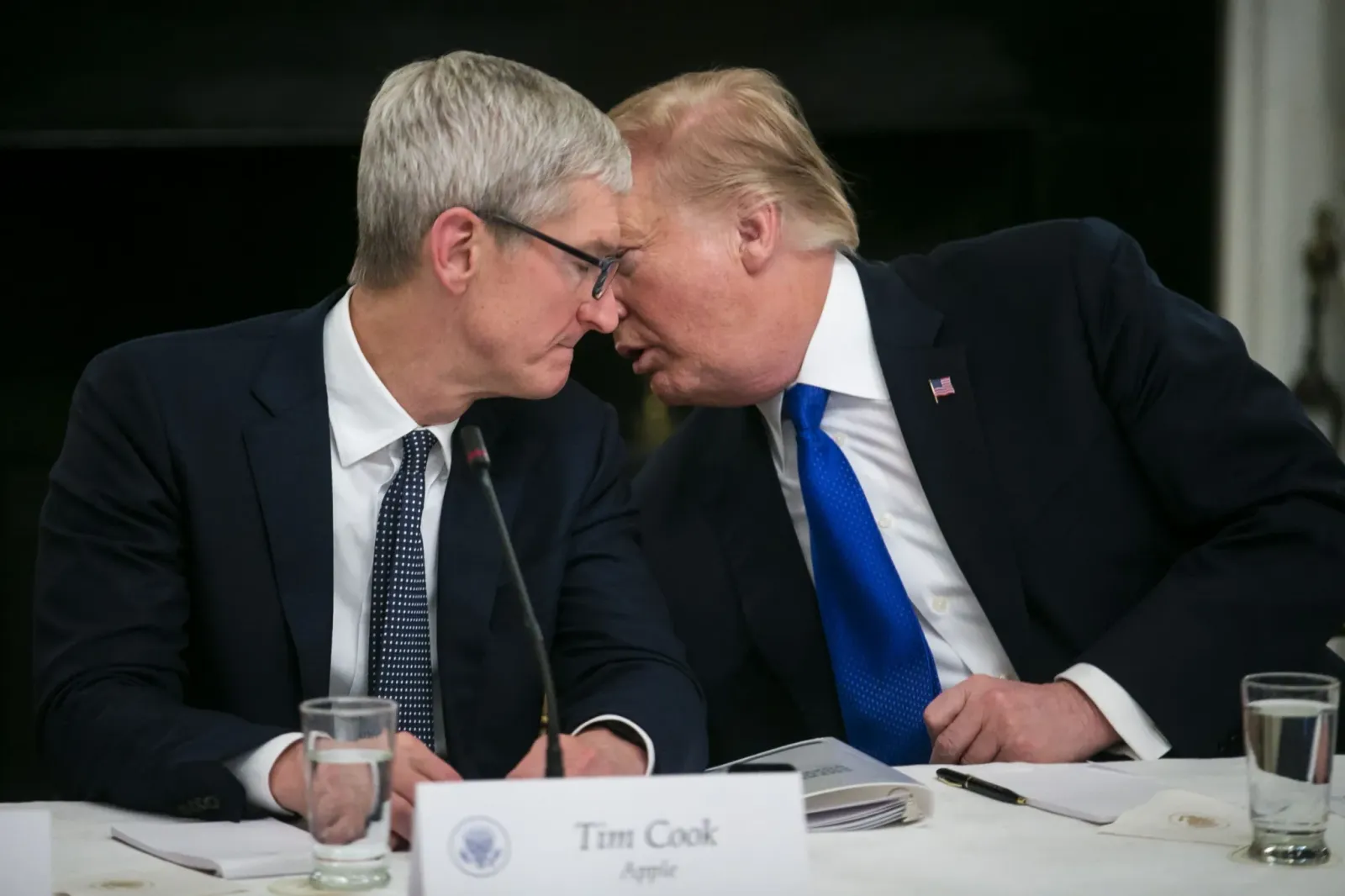
Tim Cook steps down as Apple CEO, stays on as chair with $45M equity
The 'Trump whisperer' keeps his White House and Beijing access as Apple navigates tariffs and a $4.6 trillion market cap.

Snowflake shares surge as AI data demand crushes estimates, lifting full-year forecast
Stocks jumped on stronger-than-expected guidance, signaling enterprise AI workloads are accelerating faster than Wall Street priced in.
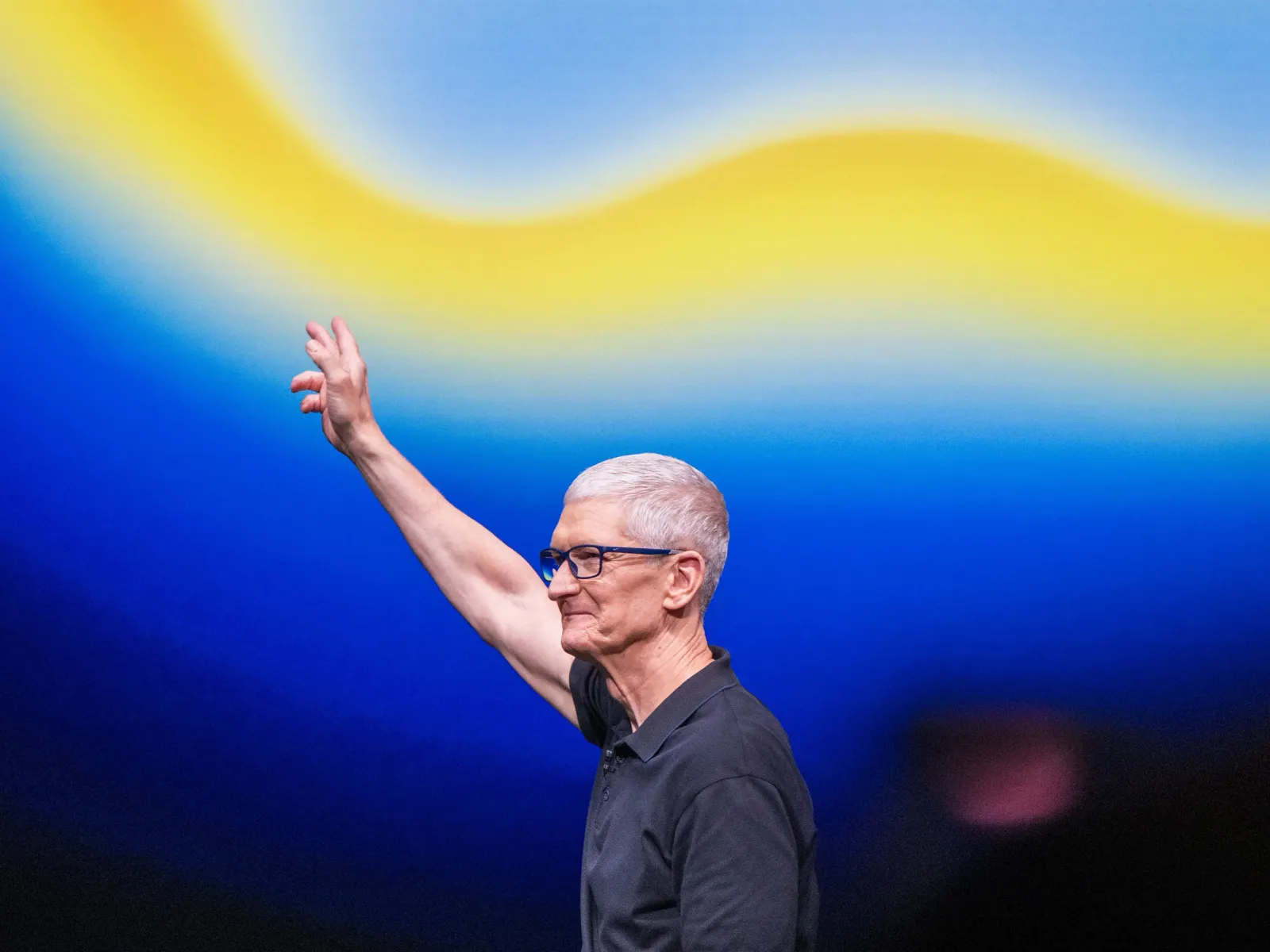
Tim Cook's 15-year Apple CEO run ends: 3 lessons for any successor
After 15 years, Tim Cook hands Apple to John Ternus - here's how he turned a $350B company into a $4.6T juggernaut.