
Jackass: Best and Last debuts with a box office drop, making less than one-fifth of 2012’s peak
The final Jackass theatrical release opens underwhelmingly, signaling how fragile nostalgia demand can be for studios and investors.
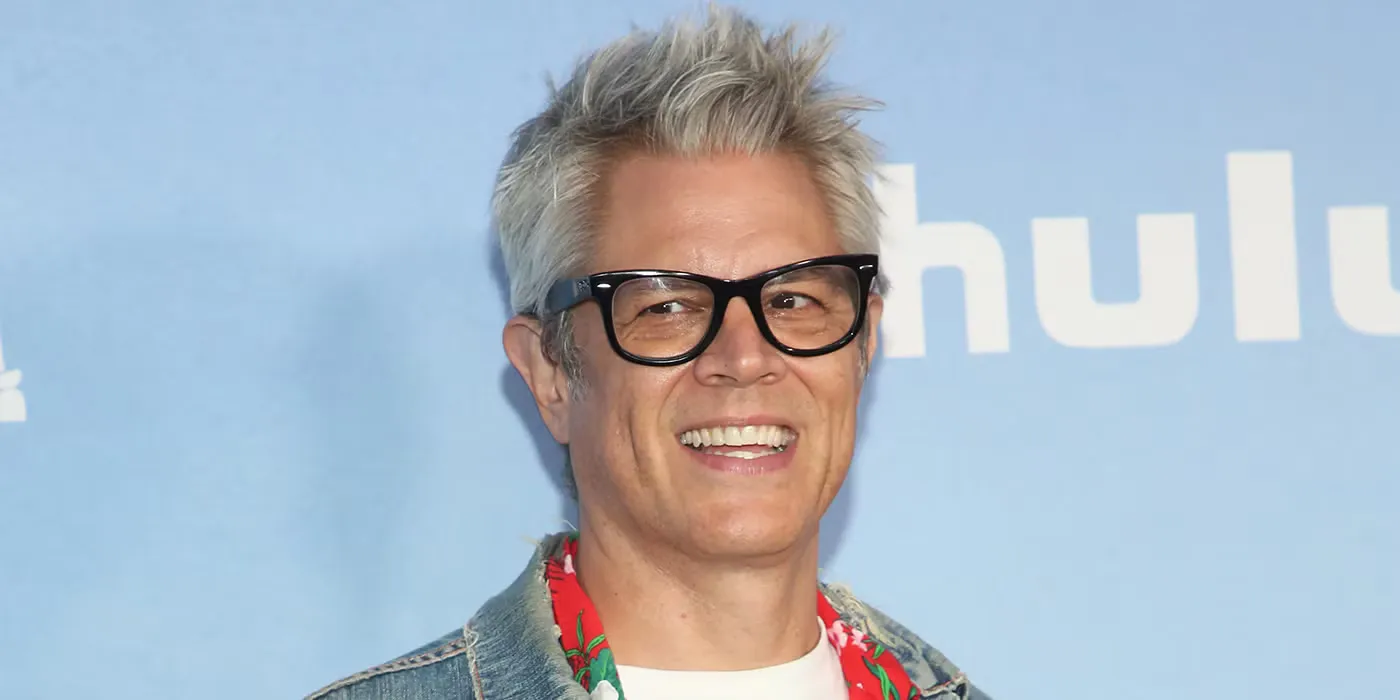
Jackass: Best and Last debuted in theaters and, despite solid reviews, grossed less than one-fifth of the franchise’s 2012 high-water mark. For decision-makers, the result is a cautionary read on how hard it is to reliably monetize “one last ride” appeal.
Jackass: Best and Last opened in theaters this week and grossed less than one-fifth of the franchise’s high-water mark set by the third installment in 2012. The math is brutal: even with millennials showing up for nostalgia and the movie landing “solid reviews,” the debut numbers simply were not there for the final big-screen chapter.
This matters because Jackass is not just another comedy sequel. The franchise began as an MTV series in the early aughts and branched into theatrical movies soon after, and since the third installment’s release in 2012 it has relied heavily on nostalgia to keep audiences coming back for another round. Jackass: Best and Last arrives with that expectation baked into the premise, literally framing itself as “one last ride.” The box office start suggests that expectation is a risk, not a guarantee.
To understand why this is such a procurement headache for studios, you have to look at what the franchise represents commercially. Stunt-based comedy is expensive in its own right, but the deeper economic lever is audience predictability. When a film leans on nostalgia, it is essentially betting that prior fans will convert quickly, and that new audiences will still feel invited rather than merely recruited by branding. The source points out that the franchise has “relied on nostalgia since the third installment’s release in 2012,” and that you would “have to wonder how many times audiences can be courted” with the promise of one final trip.
That “how many times” question is the entire second-order story for executives. In traditional genres, demand can be reset by new concepts, casting, or franchise expansion. With a nostalgia-led product, the audience pool is more bounded. Reviews can help, but they do not eliminate the core problem: if the market thinks it has already seen the “final” version, the incremental willingness to pay drops. The disappointing debut start for Jackass: Best and Last is a real-world datapoint for anyone allocating capital to legacy IP, especially when the release is positioned as the concluding entry.
There is also the issue of who is in the group, and who is missing. The source says the movie brings back franchise veterans Johnny Knoxville and Steve-O, but Bam Margera is missing “for the second time in a row.” In other words, the film is trying to hold onto the core chemistry that built the brand, but it is doing so while navigating an absence that can reshape how fans interpret the product. For studios and investors, this is not a trivia detail. Fan emotional attachment is one of the main engines of nostalgia monetization, and missing familiar faces can quietly reduce the urgency to see the “final” version in theaters.
Zoom out further and you can see why this release is also a governance and strategy stress test, not only a box office headline. When companies greenlight big-budget, franchise, or final-chapter events, the decision is rarely made on art alone. Boards and finance teams care about expected return distributions: opening performance can influence marketing budgets, theater momentum, and downstream release planning. Even when reviews are solid, opening-weekend weakness can change internal narratives about whether the franchise is in decline, whether the “event” framing needs recalibration, or whether the audience has moved on.
For peers considering similar “send-off” plays, the stakes are immediate. Jackass: Best and Last is being treated as the end of a long run, which makes its debut another signal in a wider market question: can nostalgia still carry commercial weight after multiple iterations? The source suggests the franchise has been courting audiences with one last ride for years, and the underwhelming debut start raises the risk that “last” can become a label that consumers stop believing.
None of this requires fancy theory to see. The headline fact is straightforward: despite solid reviews and strong brand recognition, the film grossed less than one-fifth of the franchise’s 2012 high-water mark. That gap is what should land with decision-makers, because it quantifies how quickly sentiment can fade when the product is both expensive to produce and dependent on audience urgency. If you are a studio leader, investor, or operator in charge of legacy IP, the takeaway is uncomfortable but actionable: nostalgia is not a revenue guarantee. It is a timing bet, and for Jackass, the market cashed out that bet early, and it came up short.
This story's Key Insights and Take-aways are locked.
Create a free account to unlock Executive Actions for one credit.
Register to UnlockAlways free for Executives Club members. Join the Club
More in Entertainment

Russell Brand's accuser 'bewildered and confused' as he denies 7 sex charges
The criminal case against the comedian is a live test of how media companies manage talent risk when serious allegations go public.

'It's a Magic Trick': Ballet Experts Say Rosalía's SNL Pose Is Impossible
Three ballet experts tell Rolling Stone Rosalía's gravity-defying SNL stillness shouldn't be possible - and why the debate is now part of the show.

Activision CMO: GTA 6 Will Boost Call of Duty, Not Bury It
Activision's top marketer says Rockstar's blockbuster will drive players back to consoles and into Modern Warfare 4, even as the company admits its recent strategy failed.