

Jaguar Land Rover slashes jobs as 'Temu Range Rover' and Chinese rivals close in
The iconic British automaker is cutting thousands of roles to survive a sales slump and a wave of budget electric SUVs from China.
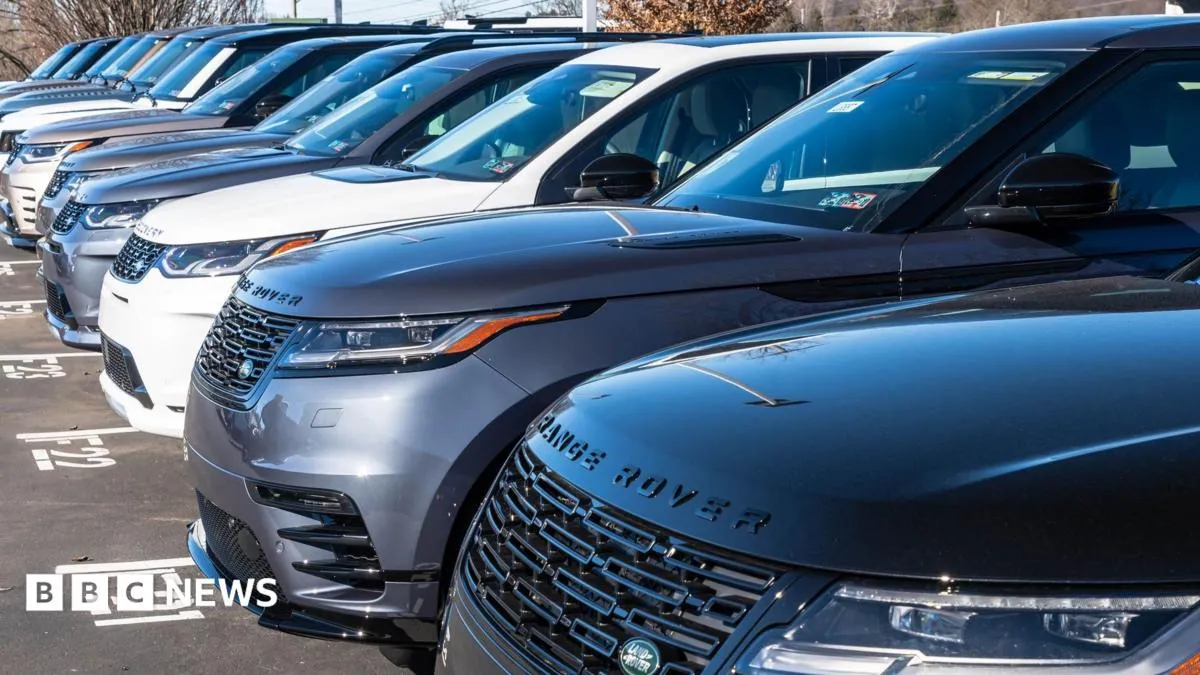
Jaguar Land Rover (JLR) announced job cuts amid falling sales and intensifying competition from Chinese electric vehicle makers, including a budget SUV dubbed the 'Temu Range Rover'. The move underscores the pressure on legacy automakers to pivot to EVs while defending market share against cheaper Chinese entrants.
Jaguar Land Rover is cutting jobs as it battles a sales slump and a new wave of budget Chinese electric SUVs, including one that has earned the nickname 'Temu Range Rover' for its uncanny resemblance to the iconic British 4x4 at a fraction of the price. The job cuts, announced as part of a broader cost-saving drive, come as the automaker struggles to maintain its premium positioning while investing heavily in an all-electric future. The pressure is mounting from Chinese rivals that have mastered the art of producing stylish, affordable EVs that undercut traditional luxury brands.
For decades, Land Rover and Jaguar have been synonymous with British engineering, off-road capability, and a certain aspirational status. That brand equity has allowed the company to command hefty premiums, with Range Rovers often priced well above $100,000. But the automotive landscape is shifting faster than many legacy players anticipated. Chinese manufacturers, backed by massive state subsidies and a mature battery supply chain, are flooding global markets with electric vehicles that offer competitive range, modern tech, and eye-catching design at prices that undercut Western rivals by tens of thousands of dollars.
The so-called 'Temu Range Rover' is a perfect symbol of this disruption. It is a budget electric SUV that mimics the boxy, muscular silhouette of a Range Rover, but sells for a fraction of the price. The nickname, a nod to the discount e-commerce platform Temu, captures how Chinese brands are democratizing a look once reserved for the wealthy. For JLR, this is not just a nuisance; it is an existential threat. When a shopper can get a similar aesthetic for a third of the cost, the premium that the Land Rover badge commands becomes harder to justify, especially among younger, value-conscious buyers.
JLR's response has been to accelerate its own electric transition. The company has already announced plans to go all-electric by 2025 for Jaguar and by 2030 for Land Rover, with a new generation of EVs built on dedicated platforms. But that transition is expensive. Retooling factories, developing new battery technology, and overhauling supply chains require billions in capital. At the same time, JLR is grappling with falling sales in key markets, particularly China, where local brands are increasingly preferred over foreign imports. The job cuts are a direct consequence of this squeeze: the company needs to reduce costs to fund its EV push while demand for its current models softens.
The situation at JLR is not unique. Across Europe and North America, traditional automakers are facing a similar dilemma. Ford, General Motors, Volkswagen, and others have all announced layoffs or plant closures as they pivot to electric vehicles. The Chinese EV wave has forced the entire industry to rethink its cost structures, supply chains, and even its definition of luxury. In the past, luxury was about heritage, craftsmanship, and performance. Today, it is increasingly about software, battery range, and charging infrastructure. Chinese brands like BYD, NIO, and Xpeng are proving that they can deliver on these fronts, often better than their Western counterparts.
For JLR, the path forward is fraught with risk. The company must preserve its brand cachet while making its EVs accessible enough to compete. It must also navigate geopolitical tensions, tariffs, and supply chain disruptions. The UK government, which has been courting investment in battery manufacturing, will be watching closely. Job cuts at a marquee British brand are politically sensitive, and any further erosion of the workforce could spark backlash. Yet the alternative, clinging to internal combustion engines and hoping the Chinese threat fades, is not viable. The transition to EVs is not a choice; it is a necessity.
The 'Temu Range Rover' may be a punchline, but it is also a warning. It shows how quickly a brand's perceived value can be undercut by a cheaper imitation that offers 80% of the experience for 30% of the price. JLR's job cuts are the first tangible sign that the company is taking this threat seriously. But cutting costs alone will not be enough. The company must innovate, differentiate, and find new ways to justify its premium. That means investing in unique design, advanced technology, and a customer experience that cannot be replicated by a budget SUV from Shenzhen. It also means being honest about the challenges ahead. The road to electric is bumpy, and JLR is just one of many legacy automakers navigating it.
For the broader industry, the lesson is clear: no brand is too iconic to be disrupted. The Chinese EV invasion is not a passing trend; it is a structural shift in global auto manufacturing. Companies that fail to adapt will face the same fate as JLR, cutting jobs and scrambling for relevance. Those that embrace the change, however, may find that the electric era offers new opportunities. The question is not whether the 'Temu Range Rover' will succeed, but how the original Range Rover will respond. The answer will determine the future of one of Britain's most storied automakers, and it will set the tone for the entire industry's transition to a new era of mobility.
This story's Key Insights and Take-aways are locked.
Create a free account to unlock Executive Actions for one credit.
Register to UnlockAlways free for Executives Club members. Join the Club
More in Business
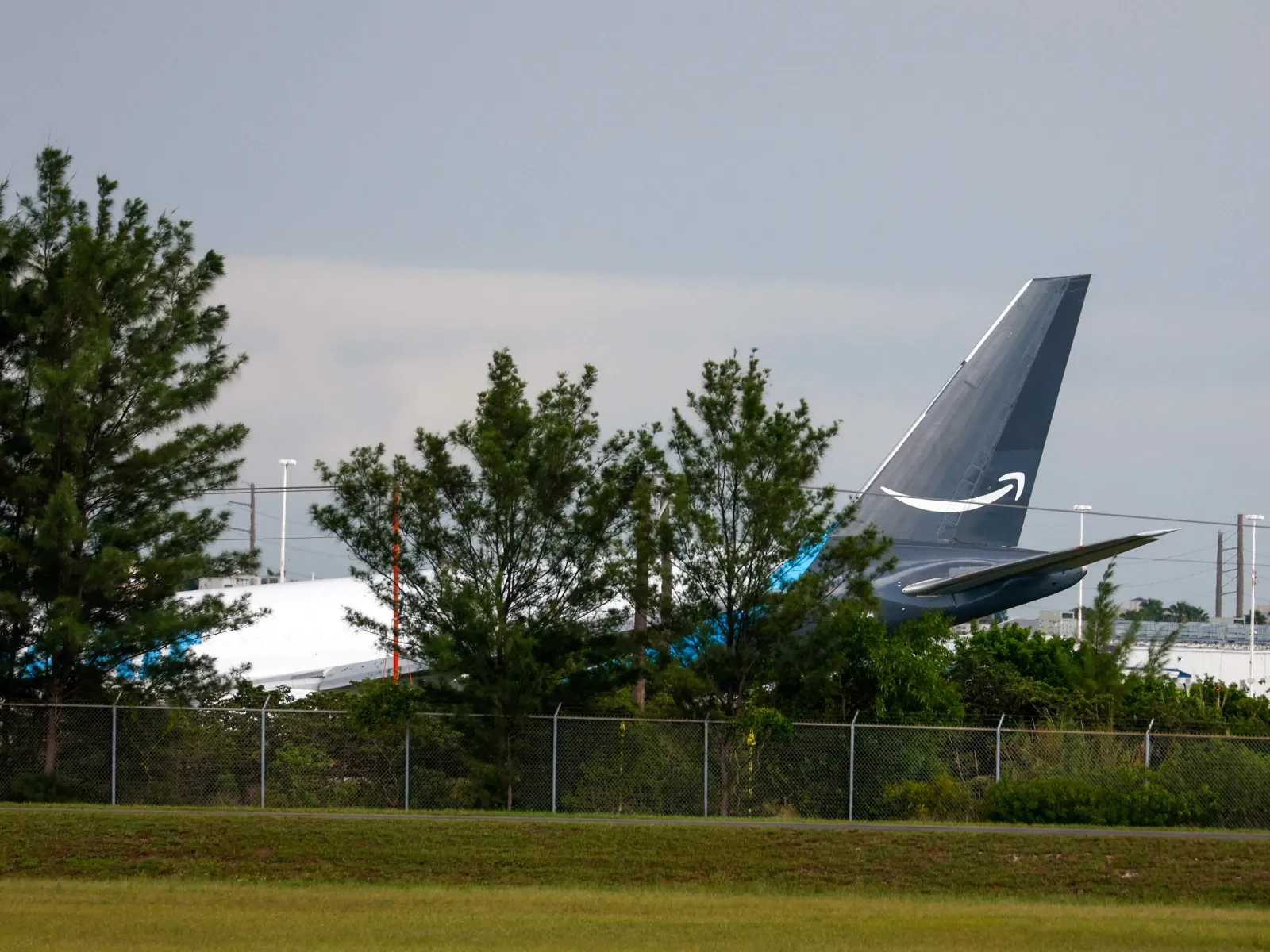
Amazon Prime Air 767 overshoots Miami runway, killing at least 5
The Boeing 767 freighter from San Juan struck vehicles and erupted in flames, prompting a ground stop and a fresh NTSB investigation into Amazon's air cargo network.

Death sentence for TV presenter Sarah Khalifa: Egypt's drug case hits media
The sentencing of Sarah Khalifa and 11 others underscores the severity of Egypt's anti-drug laws and the exposure of public figures to capital punishment.
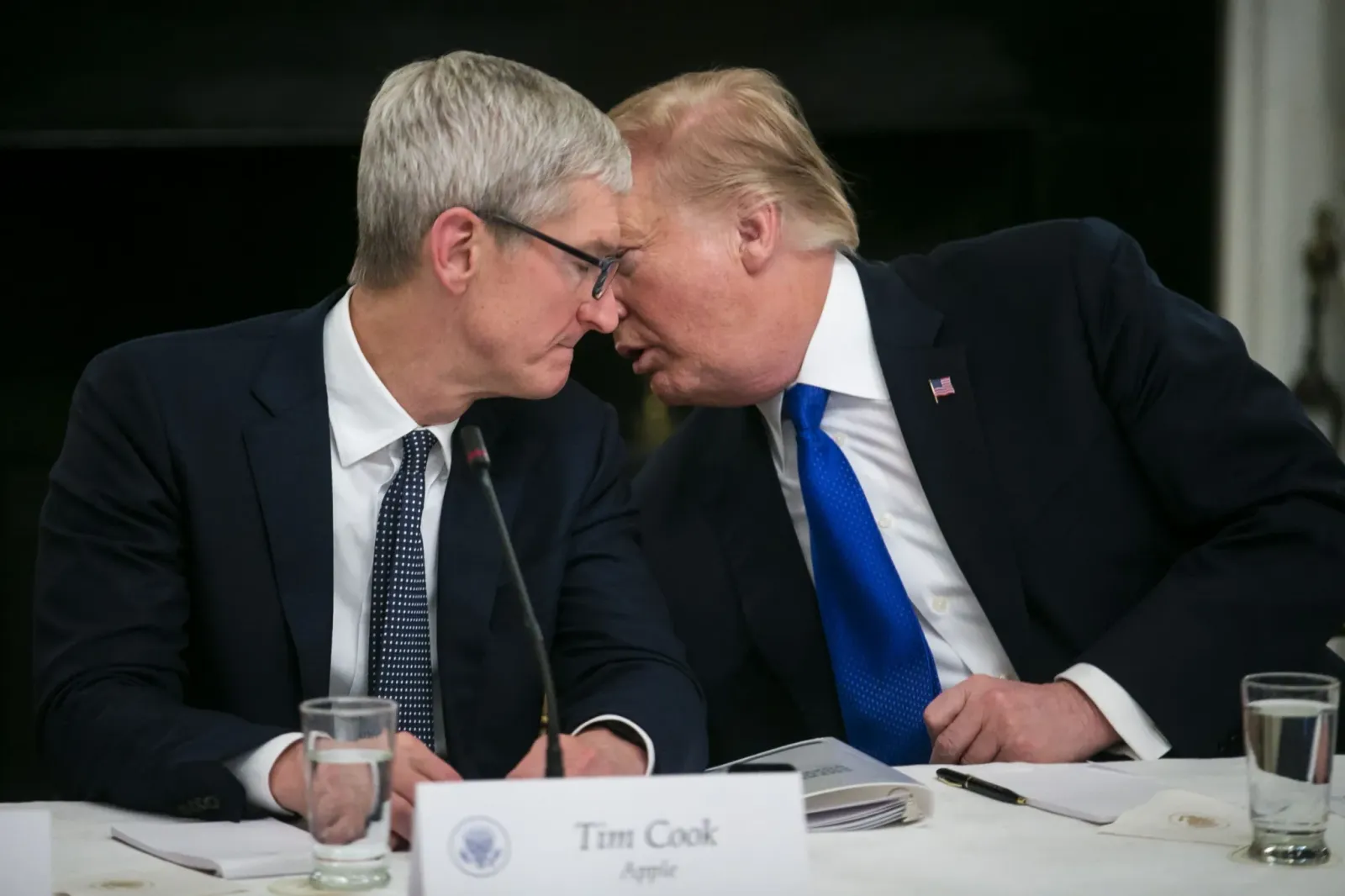
Tim Cook steps down as Apple CEO, stays on as chair with $45M equity
The 'Trump whisperer' keeps his White House and Beijing access as Apple navigates tariffs and a $4.6 trillion market cap.