
James Gunn’s Supergirl notes targeted Krypto, not the script, Craig Gillespie says
The DC Studios boss gave “guidelines” on how Krypto should behave, down to specific scenes and rules.
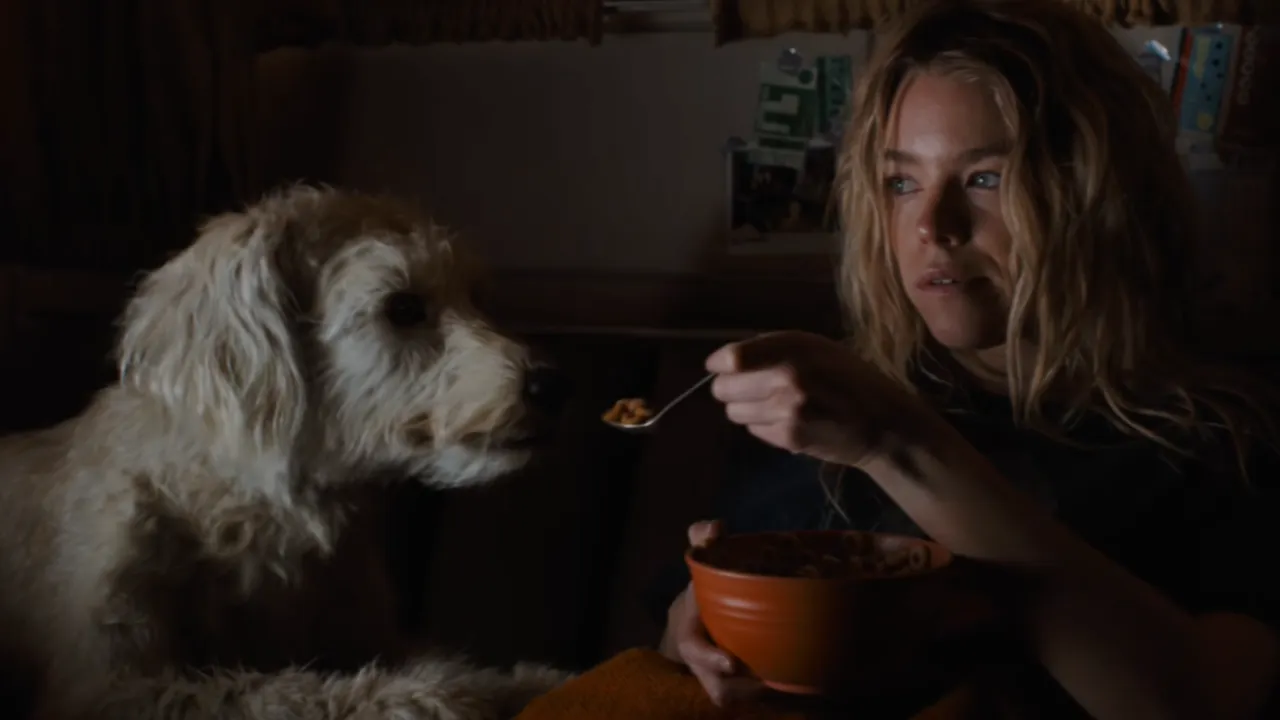
James Gunn, the DC Studios co-CEO, gave Supergirl director Craig Gillespie “guidelines” on how the movie’s key character Krypto should act. For decision-makers, it’s a live example of how studio heads influence creative details even when they grant directing freedom.
Supergirl director Craig Gillespie says James Gunn had “the most notes on Krypto,” the super-dog central to the new DCU film. Gillespie frames it as genuine character guidance rather than constant interference, explaining that Gunn told him things like, “Oh no, no, no, he wouldn’t do that,” and pushed him to modify scenes so Krypto’s behavior matched what the character would actually do.
The specifics matter because Krypto is not a background pet in Supergirl. The super-dog features heavily across both Superman and Supergirl, and this new story revolves around Kara Zor-El taking extreme measures to save her “four-legged best friend” after he is poisoned by the evil Krem. Kara teams up with a young girl named Ruthye to find the antidote to save him. In other words, Krypto is a plot engine, not set dressing, so Gunn’s notes on how the character moves and reacts become narrative decisions, not just aesthetic ones.
Gillespie tells GamesRadar+ that Krypto is “based on James’s dog,” and that Gunn’s feedback was tied to realism about how the real dog would behave. He describes moments in the “bar” that needed adjustment, where Krypto might have been “paying too much attention,” leading Gunn to insist that Gillespie “got to change that.” Gunn’s logic, as Gillespie repeats it, was essentially that Krypto “wouldn’t actually care about that,” “wouldn’t do that,” or would “never follow that rule.” The result, Gillespie says, was that he received “some guidelines with Krypto.”
That’s an unusually concrete example of how a studio executive can shape a production without rewriting everything. Gillespie explicitly says Gunn gave him “free reign with directing,” so this was not portrayed as top-down micromanagement across the whole film. Instead, it reads like targeted alignment: the studio head may let the director run the engine, but step in when a character rule could break the audience’s trust. When a character is a recurring franchise anchor, like Krypto, small behavioral inconsistencies can feel bigger than the time on screen. In Supergirl’s case, it is also a franchise continuity lever, because Krypto has already appeared across Superman and is positioned as “a huge part of Supergirl.”
This executive-director dynamic also appears to involve other leadership pressure, but with a different style. GamesRadar+ reports that Gunn’s co-CEO Peter Safran was “also often on set,” according to Krem actor Matthias Schoenaerts. Schoenaerts says Safran gave “a lot of freedom to Craig [Gillespie],” and that the practical day-to-day creative “trinity” was “mostly Craig and the actors and the DP, Rob Hardy.” In that framing, Safran’s presence was frequent but the advice may have been lighter than one might expect. Meanwhile, Gillespie and the production team handled the mechanics of performance and visuals: “conversations about what to do and how to do it.”
If you’re tracking what executives do behind the curtain, this is a useful case study in incentives. Studio leadership typically wants two things at once: creative ownership that gets strong performances and cohesive direction, and brand coherence that prevents the film from drifting away from a character’s established identity. Gunn’s “most articulate” notes on one character fits that pattern. It’s also a reminder that “guidelines” can be deeply behavioral, not just thematic. A rule about whether a dog character would follow attention or interest cues is essentially a production instruction that affects blocking, shot selection, performance tone, and even how tension plays out between Kara and the story’s companions.
Second-order, this kind of guidance can change how teams allocate attention. If the studio head cares intensely about character authenticity for Krypto, then the director, actors, and DP can prioritize those scenes during rehearsals and production planning. That can cascade into how other elements are staged too, because Krypto’s reactions shape what the human characters do next. And since the plot involves poisoning and a rescue mission, the stakes are emotional and mechanical. The film is out in the UK on June 25 and hits US theaters on June 26, so the timing also underscores how late-stage alignment can still matter. It is late enough that you cannot rebuild the world from scratch, but early enough that you can still tweak a scene’s behavioral truth.
For peers in media and entertainment roles, the strategic takeaway is less about Krypto and more about the method. Gunn’s involvement, as Gillespie describes it, suggests a model where executive feedback targets high-risk moments where identity breaks could undermine the film. Safran’s on-set presence, paired with a “freedom” narrative, suggests the board-level function is to protect brand and cohesion while preserving operational creative momentum. The market implication is straightforward: when characters are franchise pillars, leadership will defend them with specificity. In the DCU ecosystem, that means the people writing the checks are not just approving budgets, they are also policing character behavior so the audience feels the universe remains consistent from scene to scene.
This story's Key Insights and Take-aways are locked.
Create a free account to unlock Executive Actions for one credit.
Register to UnlockAlways free for Executives Club members. Join the Club
More in Entertainment

Russell Brand's accuser 'bewildered and confused' as he denies 7 sex charges
The criminal case against the comedian is a live test of how media companies manage talent risk when serious allegations go public.

'It's a Magic Trick': Ballet Experts Say Rosalía's SNL Pose Is Impossible
Three ballet experts tell Rolling Stone Rosalía's gravity-defying SNL stillness shouldn't be possible - and why the debate is now part of the show.

Activision CMO: GTA 6 Will Boost Call of Duty, Not Bury It
Activision's top marketer says Rockstar's blockbuster will drive players back to consoles and into Modern Warfare 4, even as the company admits its recent strategy failed.