
Japan hikes tourist visa fees and cools rates, shaking foreign buyers of property
From July, higher visa costs and less-loose monetary policy could change demand, financing, and pricing for non-resident home purchases.
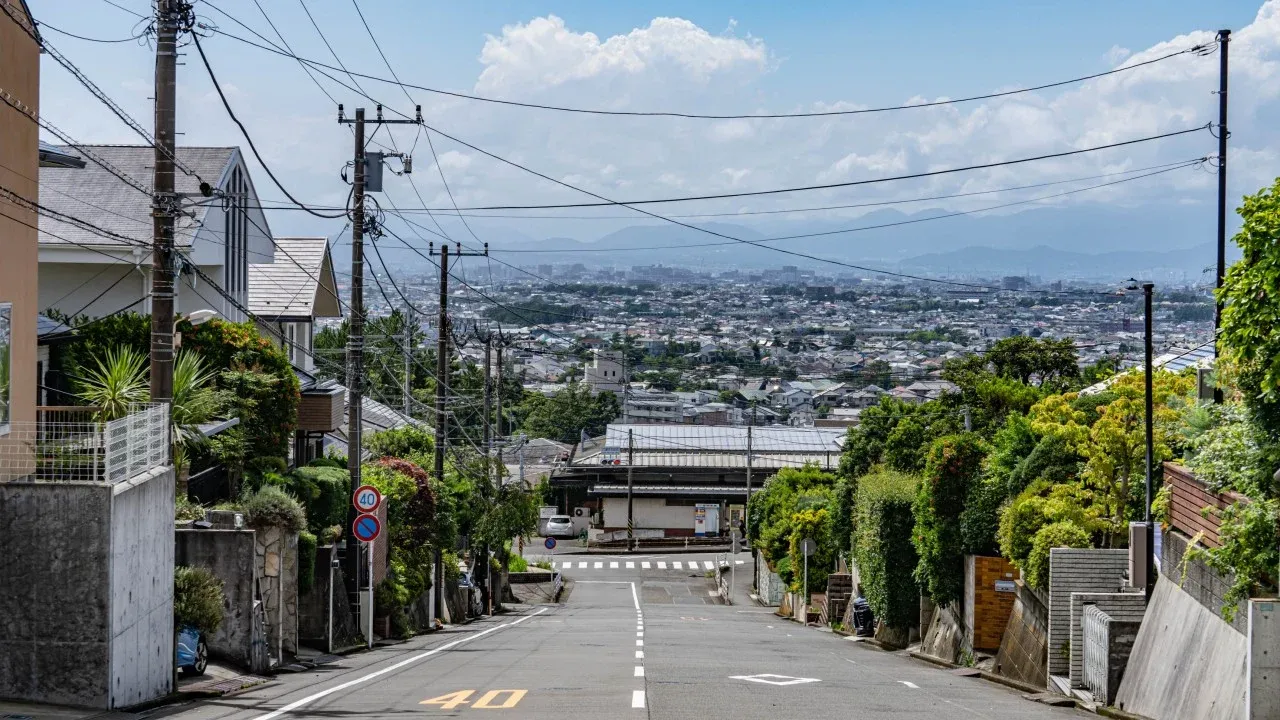
Japan is set to impose higher tourist visa fees starting in July while moving away from ultra-loose monetary policy. For foreign investors, the shift matters because it can alter both direct entry demand from tourists and indirect affordability conditions across Japan's property market.
Japan’s property market has been riding a two-track engine: tourism interest that can translate into real-estate purchases, and easy money that makes cross-border investing feel cheaper. Now the engine is getting a tune-up, starting July. According to agents and analysts cited by SCMP, Japan will impose higher visa fees for tourists from July while also moving away from an ultra-loose monetary policy. The immediate implication is simple but important: foreign investors who have been banking on steady flows of tourist-led interest and accommodative financing need to stress-test what demand and pricing look like when both inputs tighten at the same time.
The direct pressure point is tourist mobility. Higher visa fees raise the cost of visiting, which can reduce the number of potential buyers who first experience Japan as tourists and then decide to purchase. Agents cited by SCMP also point to how non-residents have historically approached buying: there is a dearth of data on the total number of homes bought by non-residents in Japan, but the agents said the two main reasons purchases happen are either to use the home as a primary base while exploring Japan’s tourist destinations, or as a longer-term asset that benefits from a stable environment.
That distinction matters because visa fees do not just affect “interest.” They affect conversion. If more visitors decide not to come (or delay travel), fewer people reach the point where a property becomes the practical next step. Even without precise numbers on non-resident purchases, the mechanism is clear: raise the friction at the start of the journey, and you can cool the pool of buyers who arrive first as tourists. For executives and boards exposed to international buyer demand, that cooling effect can show up unevenly by region and property type, depending on how reliant each segment is on visiting-related decision-making.
The other pressure point is financing. SCMP’s reporting frames the policy backdrop as a move away from an “ultra-loose monetary policy.” In markets like real estate, that kind of shift is rarely just a headline. It often works through discount rates, borrowing costs, and investor risk appetite. When central banks are less accommodative, the cost of capital tends to rise and valuations can face downward pressure, especially for leveraged buyers. Foreign investors may also find that their relative advantage changes, because the currency and cross-border financing conditions do not move in isolation from domestic policy.
Put those two forces together and you get the core second-order risk described indirectly in SCMP’s piece: direct demand and indirect affordability can both move in the wrong direction at the same time. Direct demand could soften because higher visa fees reduce tourist volumes that convert into purchases. Indirect affordability could weaken if the departure from ultra-loose policy makes borrowing and holding less attractive, or if market pricing adjusts to reflect higher yields and a different interest-rate regime.
There is an additional layer that executives should not ignore: the data gap. SCMP notes a dearth of data on the total number of homes bought by non-residents in Japan. That matters because decision-makers often rely on clean transaction statistics to size the impact of regulatory changes. When the dataset is thin, market participants tend to lean more heavily on anecdotes from agents and qualitative signals. The smart move for any real estate-facing investor, lender, or developer is to treat these qualitative indicators as early warning signals, not as precise measurement. In other words: plan as if the direction is right, even if the magnitude is uncertain.
Strategically, this is a governance problem as much as a market one. Boards and senior investment committees should assume that policy can shift both sentiment and costs, and that foreign buyer behavior may respond through pathways that are not captured in headline purchase counts. If visa fees rise and rates stop being ultra-loose, the property market can still remain resilient, but the balance of buyers, the timeline of decisions, and the pricing power of sellers can all change. For executives in real estate and for foreign capital allocators with Japan exposure, the question is not whether Japan property “goes up or down.” It is whether your underwriting, liquidity planning, and investor positioning still match the new reality starting in July.
This story's Key Insights and Take-aways are locked.
Create a free account to unlock Executive Actions for one credit.
Register to UnlockAlways free for Executives Club members. Join the Club
More in Business

Bungie cuts most Destiny 2 staff as Sony says Marathon still matters
Herman Hulst confirms layoffs affecting most Destiny and some Marathon teams after Bungie admits Destiny fell short.

SK Hynix jumps 11% after seeking up to $29.4B in Nasdaq listing
The chip giant filed for a Nasdaq listing plan that could raise $29.4 billion, instantly reshaping investor expectations.

Micron revenue hits nearly $42B as AI memory lifts gross margins above 81%
Fiscal Q3 results crush estimates, prove AI memory is rewriting Micron's margins, and change the momentum math for the whole chip stack.