

Japan's $1.4B subsidy to Imabari, shipbuilders: green shipping bet
Tokyo's $1.4 billion in subsidies aims to help Imabari and rivals decarbonize fleets and compete with China and South Korea.
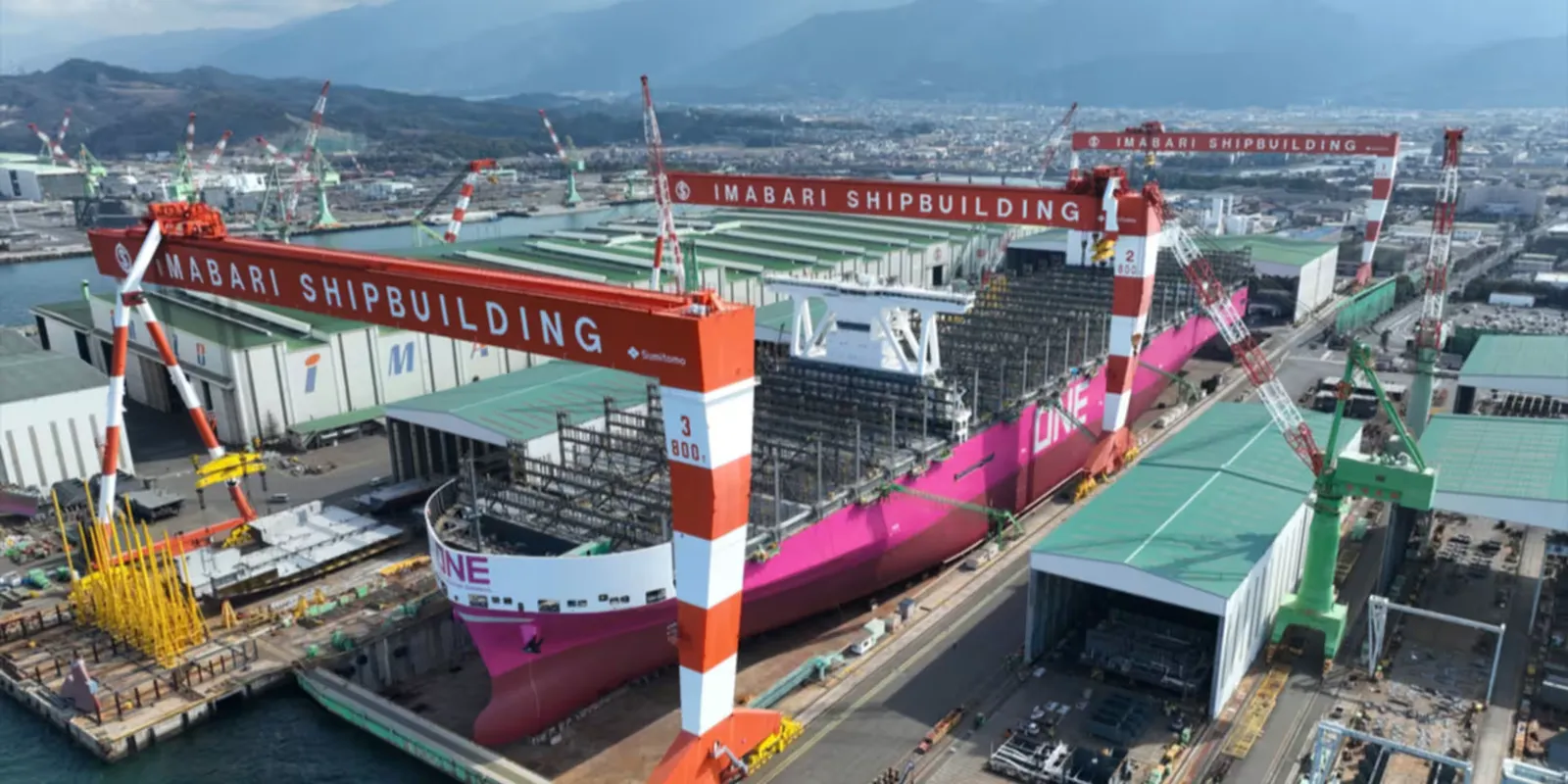
Japan's government is providing $1.4 billion in subsidies to Imabari Shipbuilding and other domestic shipbuilders to accelerate the shift to zero-emission vessels and bolster the industry's global competitiveness. The funding, part of a broader green innovation strategy, could reshape the shipbuilding landscape as rivals in China and South Korea also race to develop ammonia and hydrogen-powered ships.
Japan's government has earmarked $1.4 billion in subsidies for Imabari Shipbuilding and other domestic shipbuilders, a move aimed at accelerating the development and deployment of zero-emission vessels. The funding, announced as part of Tokyo's green growth strategy, is designed to help the country's shipyards transition from conventional diesel-powered ships to ammonia and hydrogen-fueled designs, while also strengthening their position against dominant rivals in China and South Korea.
The subsidy package, which will be distributed over several years, targets not only Imabari, Japan's largest shipbuilder, but also other major players such as Japan Marine United and Mitsubishi Shipbuilding. It will support research, retrofitting existing vessels, and building new-generation ships. The initiative underscores Japan's determination to maintain its status as a top-tier maritime nation, even as global shipbuilding orders shift toward eco-friendly technologies.
Japan's shipbuilding industry has been losing market share to China and South Korea for over two decades. In the 1990s, Japan was the world's largest shipbuilder, but by 2023 it had slipped to third place, behind China and South Korea, which together account for nearly 80% of global orders. The subsidies are a direct response to this decline, aiming to carve out a niche in the emerging market for green ships-a segment where Japan believes it can leverage its advanced engineering and fuel-cell expertise.
The push comes as the International Maritime Organization (IMO) has set a target to cut greenhouse gas emissions from shipping by 50% by 2050 compared to 2008 levels. This regulatory pressure is creating a massive demand for vessels that run on alternative fuels like ammonia, hydrogen, and methanol. Japan, which has long been a pioneer in LNG carriers, sees ammonia as a particularly promising option because it can be produced from renewable sources and has a higher energy density than hydrogen. Imabari has already developed an ammonia-ready bulk carrier design, and the subsidy will help bring it to market.
The funding is also part of a broader industrial policy that includes tax breaks, research grants, and port infrastructure upgrades. The Japanese government has set a goal to have 100% of new domestic ships be zero-emission by 2035, and the subsidies are a critical first step. However, challenges remain. The cost of building an ammonia-powered ship is currently 20-30% higher than a conventional vessel, and the infrastructure for ammonia bunkering is virtually nonexistent. The subsidies alone may not bridge that gap, but they could attract private investment and create economies of scale.
For Imabari, the subsidy is a lifeline. The company, based in the shipbuilding hub of Imabari city in Ehime Prefecture, has been investing heavily in R&D but faces intense price competition from Chinese yards. The government support will allow it to build a new generation of eco-ships without sacrificing profitability. It also sends a signal to global shipping lines that Japan is a reliable partner for their decarbonization goals. Already, major European carriers have expressed interest in Japanese-built ammonia vessels, and the subsidy could help secure those orders.
The move also has geopolitical implications. Japan is a key ally of the United States and a member of the Quad, and its shipbuilding industry is seen as strategically important for maritime security. By bolstering domestic shipyards, Tokyo is not only supporting its economy but also ensuring that it retains the capability to build naval and commercial vessels in times of crisis. This dual-use aspect makes the subsidy a matter of national security, not just industrial competitiveness.
Looking ahead, the success of this program will depend on execution. Japan must coordinate with fuel suppliers, port operators, and classification societies to create a complete ecosystem for green shipping. It also needs to address a chronic shortage of skilled shipyard workers, which has plagued the industry for years. If these hurdles are overcome, Japan could emerge as a leader in the next generation of maritime technology, turning a defensive subsidy into an offensive advantage.
For other shipbuilding nations, Japan's move is a wake-up call. China and South Korea are already investing heavily in green ship R&D, but Japan's targeted approach-focusing on ammonia and leveraging its industrial strengths-could give it an edge. The $1.4 billion is a relatively small sum compared to the overall size of the global shipbuilding market, but it is a clear statement of intent. As the world moves toward a zero-carbon future, the race to build the ships that will carry that future is just beginning, and Japan has just placed a significant bet.
This story's Key Insights and Take-aways are locked.
Create a free account to unlock Executive Actions for one credit.
Register to UnlockAlways free for Executives Club members. Join the Club
More in Business

Tim Cook steps down as Apple CEO, stays on as chair with $45M equity
The 'Trump whisperer' keeps his White House and Beijing access as Apple navigates tariffs and a $4.6 trillion market cap.

Snowflake shares surge as AI data demand crushes estimates, lifting full-year forecast
Stocks jumped on stronger-than-expected guidance, signaling enterprise AI workloads are accelerating faster than Wall Street priced in.

Tim Cook's 15-year Apple CEO run ends: 3 lessons for any successor
After 15 years, Tim Cook hands Apple to John Ternus - here's how he turned a $350B company into a $4.6T juggernaut.