

Japan's record profits can't lift ROE as weak yen bloats equity
Why Japanese boards are failing to convert record earnings into shareholder returns - and what it means for capital allocation.

Japanese corporations posted record profits, yet return on equity remains stagnant as the weak yen inflates equity bases. For boards and CFOs, this signals a need to rethink capital efficiency and shareholder return strategies.
Corporate Japan just posted record profits, but the metric that matters most to investors - return on equity - is going nowhere. The culprit? A weak yen that is inflating the equity denominator faster than earnings can lift the numerator. According to a Nikkei Asia analysis, ROE has stalled even as profits hit all-time highs, exposing a structural disconnect between operational success and shareholder value creation.
The mechanics are straightforward: Japanese companies with overseas operations translate foreign assets back into yen at current exchange rates. A weaker yen means those assets are worth more in yen terms, swelling the equity base. Since ROE is net income divided by shareholders' equity, a larger denominator - even with record net income - keeps the ratio flat. This is not a sign of operational weakness but a currency-driven distortion that masks genuine improvements in profitability.
For decades, Japan's ROE has lagged global peers, hovering around 8-9% versus 15% or more in the US and Europe. The Tokyo Stock Exchange has been pushing companies to improve capital efficiency, demanding that listed firms with ROE below cost of capital explain how they will fix it. Yet the weak yen is quietly undermining these efforts, making it harder for boards to demonstrate progress even when underlying business performance is strong.
The implications for capital allocation are significant. If equity is artificially inflated by currency translation, then buybacks and dividends - the tools investors expect - become less effective at boosting ROE. A company that repurchases shares may see its equity shrink, but if the yen weakens further, the translation effect can offset that reduction. This creates a frustrating loop for CFOs who are doing everything right operationally but cannot move the needle on the metric that matters most to global investors.
There is also a strategic angle. The weak yen has made Japanese exports highly competitive, driving record profits from automakers, electronics firms, and trading houses. But those profits are being reinvested or held as cash, often in yen, which further inflates equity. Some companies are responding by increasing foreign direct investment or M&A abroad, which can hedge currency exposure but also adds to the equity base. The result is a paradox: the very factor boosting profits is the one suppressing ROE.
For boards, the takeaway is not to chase ROE at the expense of sound strategy, but to communicate the currency effect transparently. Investors who understand the distortion may be more patient, but they will not wait forever. The Tokyo Stock Exchange's pressure is not going away, and activists are increasingly targeting Japanese firms for their low ROE. Boards should consider presenting adjusted ROE figures that strip out currency translation effects, giving investors a clearer picture of operational performance.
Ultimately, the weak yen is a double-edged sword. It has revived Japan's export machine and delivered record profits, but it is also masking the progress companies are making on capital efficiency. As the yen eventually strengthens - and it will, at some point - the equity base will shrink, and ROE will jump mechanically. The question is whether boards will have used this window to build genuinely efficient capital structures, or whether they will simply ride the currency wave and hope no one looks too closely at the underlying numbers.
This story's Key Insights and Take-aways are locked.
Create a free account to unlock Executive Actions for one credit.
Register to UnlockAlways free for Executives Club members. Join the Club
More in Business
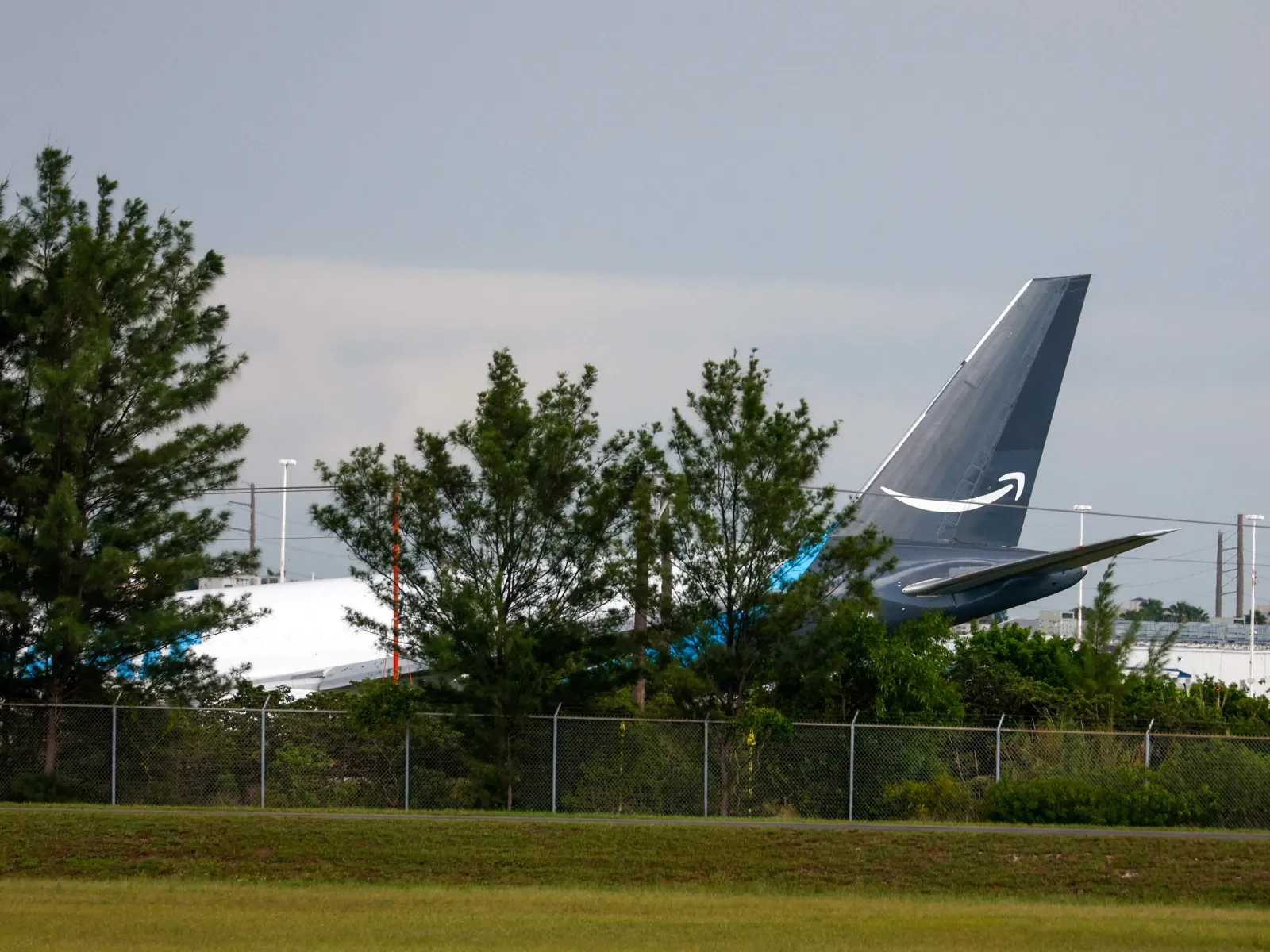
Amazon Prime Air 767 overshoots Miami runway, killing at least 5
The Boeing 767 freighter from San Juan struck vehicles and erupted in flames, prompting a ground stop and a fresh NTSB investigation into Amazon's air cargo network.

Death sentence for TV presenter Sarah Khalifa: Egypt's drug case hits media
The sentencing of Sarah Khalifa and 11 others underscores the severity of Egypt's anti-drug laws and the exposure of public figures to capital punishment.

Tim Cook steps down as Apple CEO, stays on as chair with $45M equity
The 'Trump whisperer' keeps his White House and Beijing access as Apple navigates tariffs and a $4.6 trillion market cap.