
Japan's SK Hynix plant dream trips over Seoul's policy wire
Tokyo's bid to lure SK Hynix's memory chip fab faces a South Korean policy wall, complicating the global race to secure advanced semiconductor capacity.
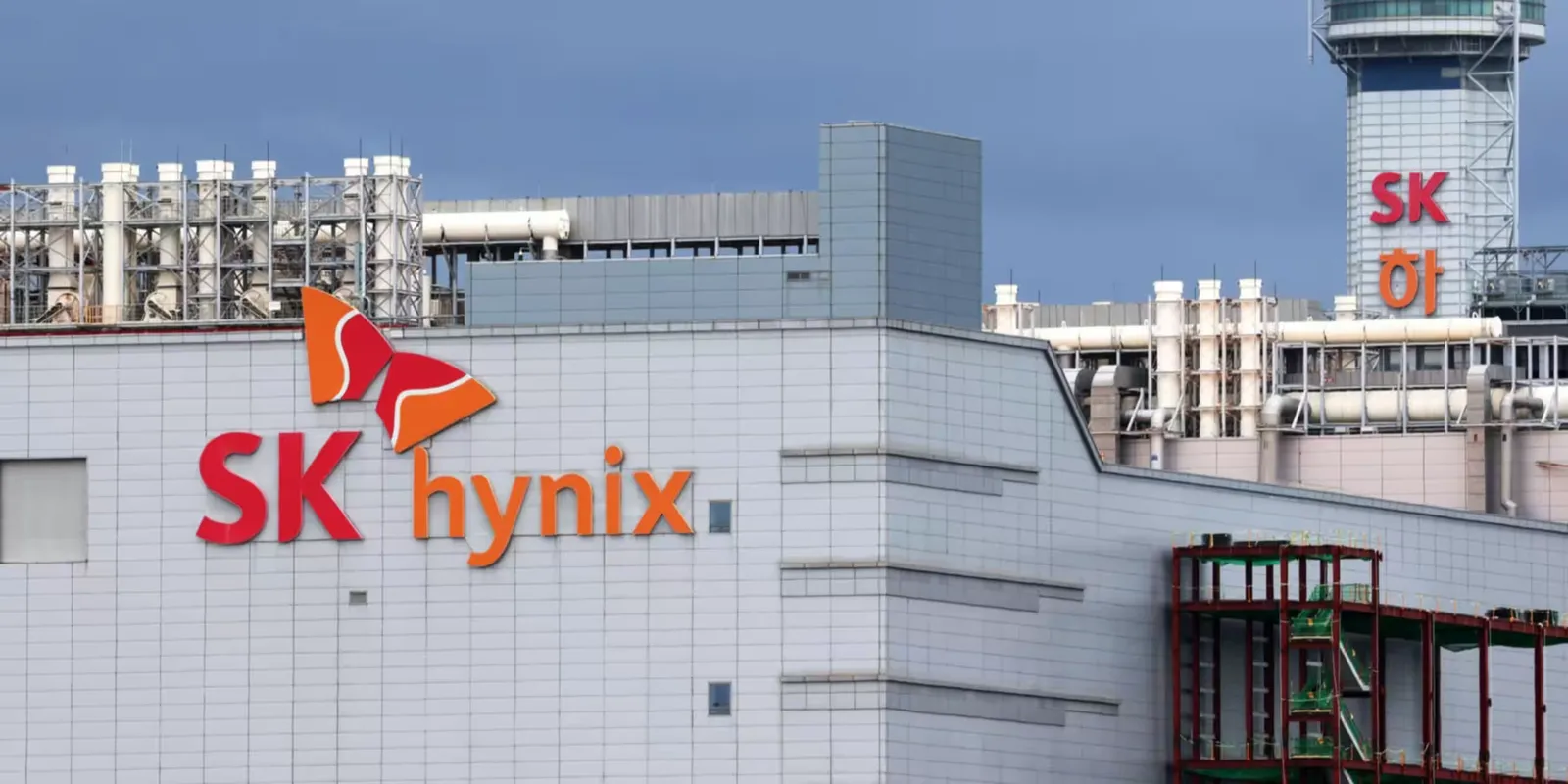
Japan is actively courting SK Hynix to build a chip plant, but South Korean government policy hurdles are complicating the deal. The outcome will reshape the geographic balance of memory chip supply and intensify the standoff between Tokyo and Seoul over industrial strategy.
Japan’s campaign to rebuild itself as a semiconductor powerhouse has found an unexpected roadblock: its neighbor and ally, South Korea. According to a new report from Nikkei Asia, Tokyo's bid to bring a state-of-the-art SK Hynix chip plant to Japanese soil is running into policy hurdles from Seoul, exposing the delicate cross-border politics of the chip industry at a moment when every memory maker is racing to lock down capacity. For a country that has poured billions into subsidies to lure back fabs from Taiwan and the United States, the quiet tension between the two Asian allies may prove as consequential as any export control Washington implements. The stakes are direct: SK Hynix is the world's second-largest memory chip producer, its HBM and DRAM lines the workhorses behind the AI boom. Where it plants its next advanced facility will influence not just supply chains but the balance of industrial power in Northeast Asia for the next decade. The report signals that Japan's overture, which would in theory give Tokyo a crown-jewel consumer for its subsidized chip clusters, is meeting resistance not from the company but from the South Korean government's policy stance toward overseas investment and technology transfer. The crux appears to be Seoul's concern that a major SK Hynix investment in Japan could dilute the homegrown cluster around Icheon and Cheongju, where the company already operates massive fabs. South Korea has historically treated its memory chip sector as a strategic asset, and the government has been reluctant to see its crown jewel expand operations in a country that is also a key market for its products. That tension is not new, but it is sharper now as both nations aggressively subsidize semiconductor manufacturing to secure their own supply chains. Japan has spent billions of dollars in recent years to resurrect its chip industry, offering generous incentives to foreign and domestic players. It has already landed a major investment from TSMC for a fab in Kumamoto, and a second plant is being considered. The logic is clear: memory chips are the bedrock of all digital devices, and Japan wants a seat at the table as AI drives unprecedented demand for high-bandwidth memory. SK Hynix is central to that vision. But Seoul's policy apparatus may not be as eager. South Korea has long treated its semiconductor industry, dominated by SK Hynix and Samsung, as a national strategic asset. Moving high-end fabrication capacity overseas, even to a close ally, could raise concerns about technology leakage, supply security, and domestic employment. The Nikkei report notes that South Korean policy hurdles are specifically complicating Tokyo's effort, suggesting that Seoul's approval processes or incentive structures are designed to keep critical manufacturing anchored at home. For executives watching the global chip map redraw itself, this is a reminder that national governments now sit at the decision table with process technology and capex plans. Tokyo's own playbook - a nearly $27 billion subsidy package rolled out in 2021 to resurrect its semiconductor sector - has already drawn a wave of investment announcements from TSMC, Micron, and Japan's own Rapidus consortium. But memory chips remain a notably different game than logic chips. Memory production is dominated by a two-horse race between Samsung and SK Hynix, both South Korean, and Seoul has a direct stake in keeping leading-edge memory manufacturing close to home. Export controls and national security reviews have tightened across the globe, and South Korea has its own reasons to worry about technology transfer. The strategic calculus is not hard to parse: Tokyo wants to reinsert itself into the memory supply chain after losing its edge to South Korea in the 1980s and 1990s. Seoul, meanwhile, is reluctant to see its crown jewel hand over cutting-edge processes to a rival that could use them to undercut Korea's dominance - or worse, to help a neighboring economy become a competitor. The Japanese government has made semiconductor revival a top industrial priority, offering billions in subsidies under its just-created chip program in an effort to attract both foreign and domestic investment. SK Hynix has been on its radar as a natural candidate, given the company's existing presence in Japan and its need for overseas manufacturing options to diversify geopolitical risk. Yet the report says Seoul's policy framework is stepping in the way, likely relating to export controls, technology transfer rules, or incentive structures designed to keep key production domestic. For executives watching this space, the episode is a reminder that chip factory decisions are no longer purely corporate calls. They are national security decisions, freighted with export-control regimes, subsidy rules, and alliance politics. When a company as critical as SK Hynix considers its next site, it must weigh not only operational costs and supply chain resilience, but also whether its home government will bless the move. That calculus is now front and center in Japan's bid to bring a Hynix plant onto its soil. The outcome will also signal how much autonomy the world's leading chipmakers retain as governments tighten their grip on the semiconductor ecosystem. If Tokyo succeeds, it would be a major validation of Japan's reindustrialization strategy and a potential template for other buyers. If it fails, it would suggest that even deep-pocketed state incentives cannot overcome the gravitational pull of national policy regimes. For boardrooms in the chip and adjacent industries, the relentless pairing of economic incentive with geopolitical friction is now the norm. The question for the next cycle of fab investment is no longer just about land and water and labor - it is about which governments will let their champions walk the globe. SK Hynix's decision, when it comes, will send a signal far beyond the shores of Japan and South Korea, rippling across the very fabric of the global semiconductor order. The world's hardest tech race just got a new lane, and it runs straight through Seoul's policy bureaucracy.
This story's Key Insights and Take-aways are locked.
Create a free account to unlock Executive Actions for one credit.
Register to UnlockAlways free for Executives Club members. Join the Club
More in Business
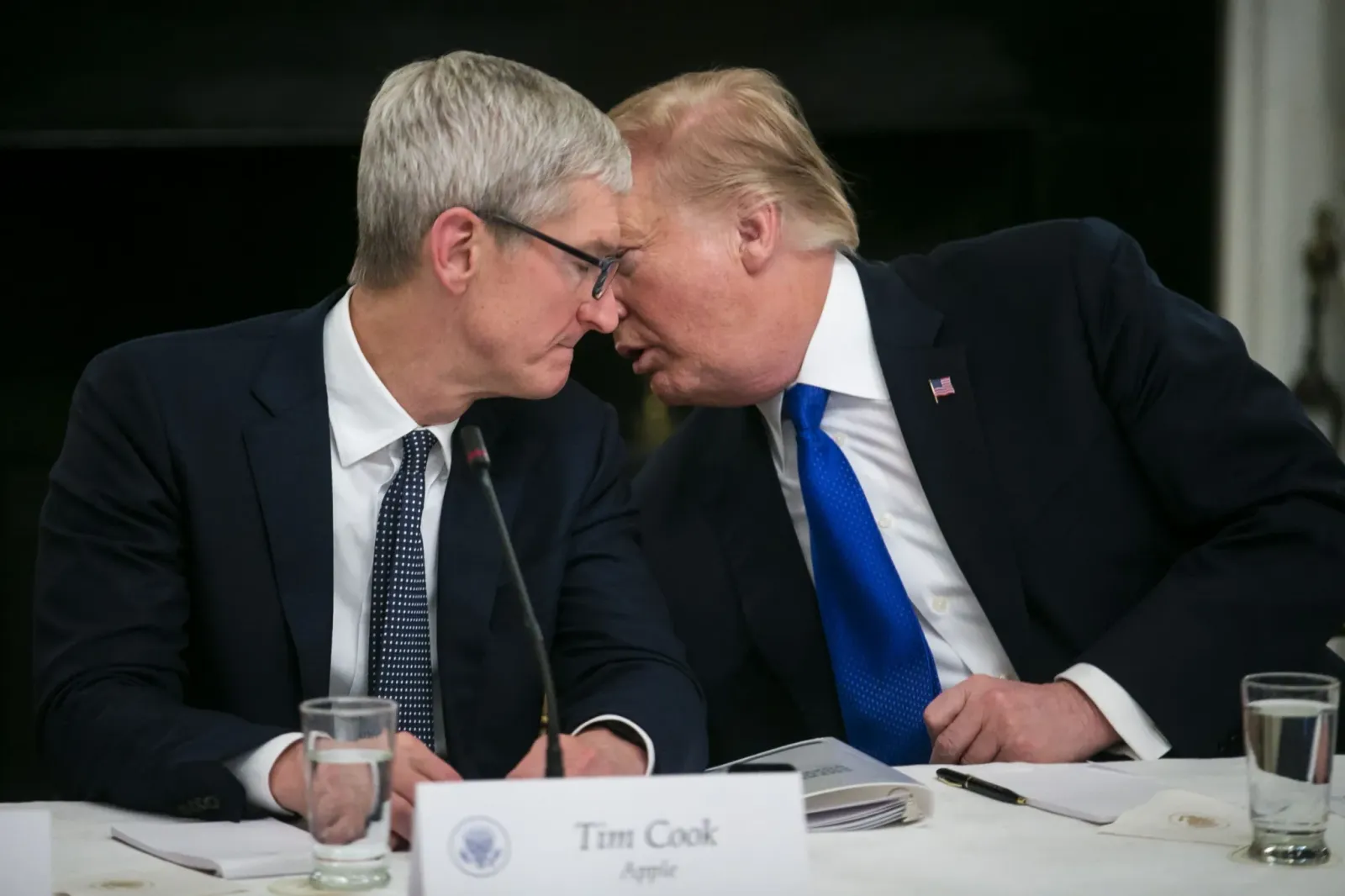
Tim Cook steps down as Apple CEO, stays on as chair with $45M equity
The 'Trump whisperer' keeps his White House and Beijing access as Apple navigates tariffs and a $4.6 trillion market cap.
Snowflake shares surge as AI data demand crushes estimates, lifting full-year forecast
Stocks jumped on stronger-than-expected guidance, signaling enterprise AI workloads are accelerating faster than Wall Street priced in.
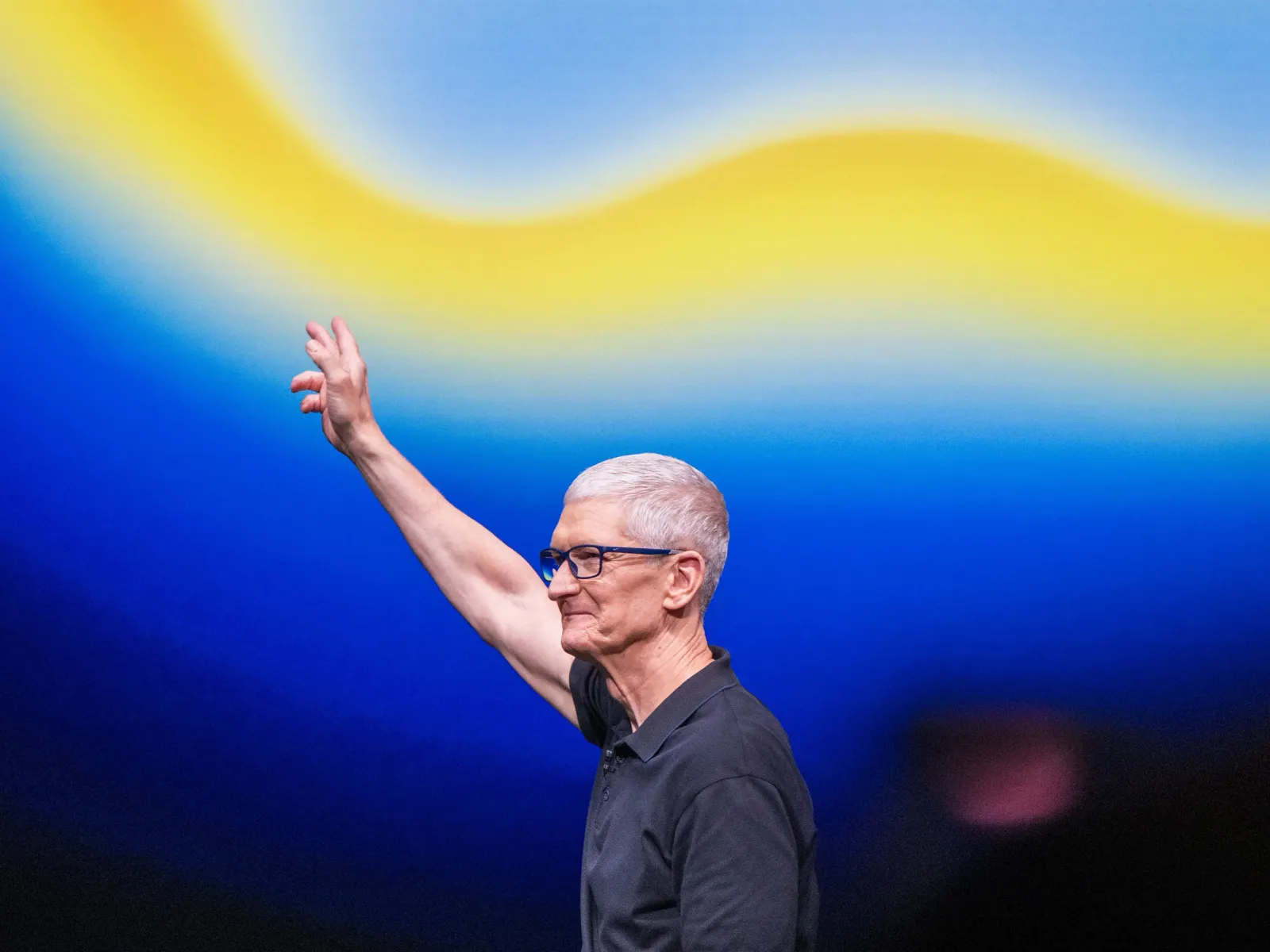
Tim Cook's 15-year Apple CEO run ends: 3 lessons for any successor
After 15 years, Tim Cook hands Apple to John Ternus - here's how he turned a $350B company into a $4.6T juggernaut.