
Javier Bardem apologized before filming hair-grab attack scene on Cape Fear
A polite warning and an advance apology shaped a brutal moment, and it highlights how productions manage on-set risk.
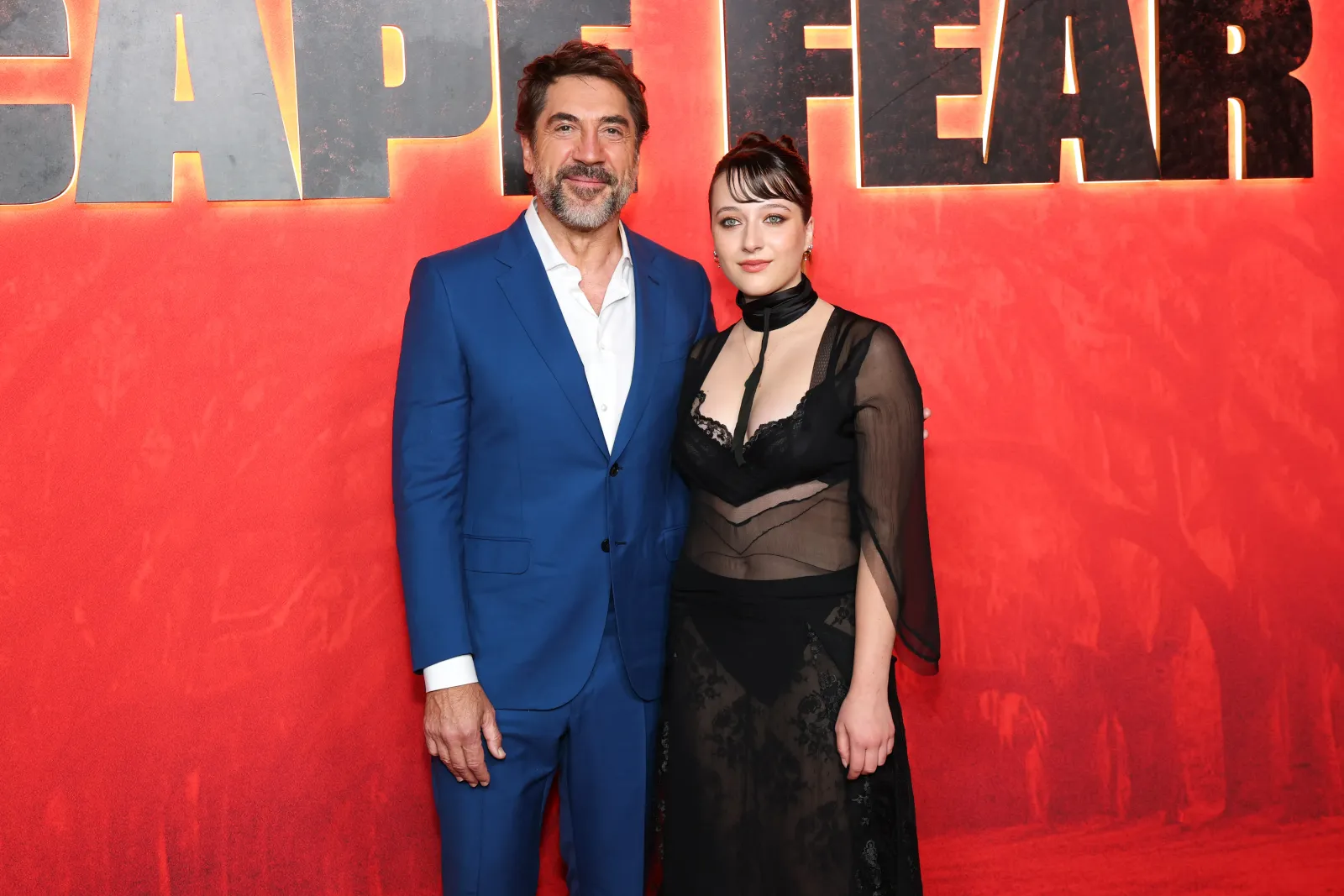
Variety reports that Javier Bardem politely warned his Cape Fear co-star about grabbing her hair during an attack scene and apologized in advance. For decision-makers, it is a reminder that set safety, performance realism, and stakeholder trust all live in the same room.
Javier Bardem did not just act his way into Apple TV+’s reimagining of “Cape Fear.” Variety reports he also handled the practical on-set reality of playing a vengeful murderer: he politely warned his co-star about grabbing her hair during an attack scene and apologized in advance, saying, “I’m So Sorry, My Love.”
That moment matters because it sits at the intersection of performance and physical boundaries. “Cape Fear” is built around an audience willingness to watch danger. But productions still have to make the danger feel real without turning realism into harm. Bardem’s advance check was a small, human act with big downstream effects: it signals that even when a character is meant to be terrifying, the actor choreography and respect around the body still has to be engineered.
If you zoom out, Bardem’s track record is the backdrop. In 2007, he delivered one of the century’s most chilling performances as Anton Chigurh in “No Country for Old Men.” Nearly two decades later, he’s again tackling a role that asks an audience to stare at violence long enough to feel uneasy, reimagining the vengeful murderer Max Cady on Apple TV+’s hit summer series “Cape Fear.” And Cady is not a random villain. This is a character with a legacy in the cultural imagination, previously played by Robert Mitchum in earlier adaptations.
So why does a hair-grab warning belong in an executive briefing? Because the same issue that drives entertainment decisions also drives operational decisions: control. When a scene depends on physical contact, control needs to be planned, communicated, and repeatedly reset. Otherwise you get the worst-case combo: injuries, reshoots, and reputational risk. An actor warning a co-star before a potentially uncomfortable or unsafe moment is not just kindness. It is an operational tactic that reduces ambiguity in the moment where ambiguity is most dangerous.
There is also a second layer: trust. On a production, trust is a form of production efficiency. If cast members feel that boundaries are respected and safety is taken seriously, they can focus on performance rather than uncertainty. That matters in a “hit summer series” environment too, where schedules are tight and expectations are high. Apple TV+ has bet on “Cape Fear” as part of a broader pipeline designed to keep viewers engaged through the hottest months of the year, meaning the operational margin for error can be thin.
Now bring in market context. Streaming series are competing for attention in a world where shows can be binged, clipped, and debated immediately. A controversial on-set incident can become a headline that does not require context to spread. Conversely, when productions show they are managing sensitive scenes responsibly, it helps protect the brand story around the show. Bardem’s reported apology in advance is the kind of detail that reads like human decency, but it also functions like risk management. It reduces the chance that a performance choice will be interpreted as careless.
From a governance lens, this is the content-adjacent equivalent of a compliance practice. Even though the source is entertainment coverage and not a regulatory filing, the logic maps to how organizations handle higher-risk work. You identify the specific physical action, you flag the sensitive boundary, you confirm how it should happen, and you make the affected person feel safe enough to deliver. That reduces incident probability and also reduces friction if something goes wrong.
Second-order implications for boards and executive teams: the best productions are not just creative. They are also disciplined in how they handle force, consent, and control in scenes that look chaotic to viewers. When the story is about a sociopath, the production still has to operate like a professional system. Bardem’s reported behavior is a reminder that the “realism” audience craves is engineered, not improvised.
For peers managing talent, stakeholder communication, or physical-action-heavy content, the strategic stakes are straightforward. If you want authenticity, you need rehearsal precision. If you want authenticity without harm, you need clear pre-scene communication. And if you want the public to trust the final product, you need cast confidence behind the scenes. Bardem’s 2007 breakthrough as Anton Chigurh and this latest turn as Max Cady show range. Variety’s detail about the hair-grab warning shows something rarer: a commitment to safety and respect even inside the most menacing character work.
This story's Key Insights and Take-aways are locked.
Create a free account to unlock Executive Actions for one credit.
Register to UnlockAlways free for Executives Club members. Join the Club
More in Entertainment

'It's a Magic Trick': Ballet Experts Say Rosalía's SNL Pose Is Impossible
Three ballet experts tell Rolling Stone Rosalía's gravity-defying SNL stillness shouldn't be possible - and why the debate is now part of the show.

Activision CMO: GTA 6 Will Boost Call of Duty, Not Bury It
Activision's top marketer says Rockstar's blockbuster will drive players back to consoles and into Modern Warfare 4, even as the company admits its recent strategy failed.
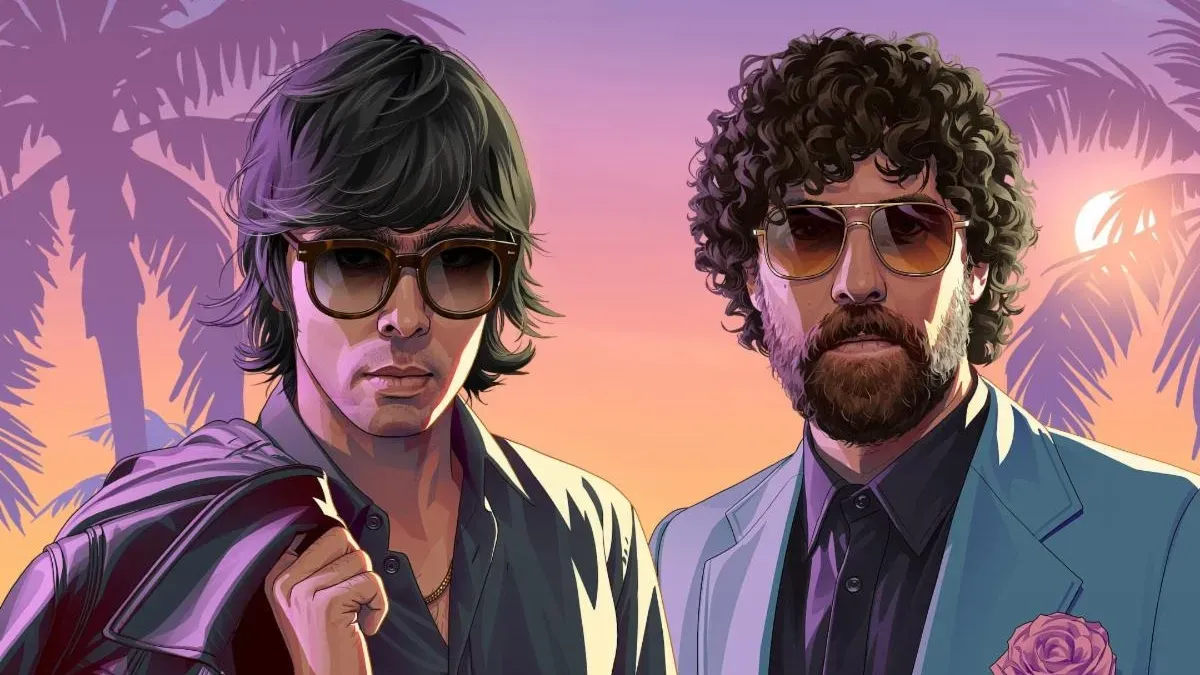
Justice to Score GTA 6, Share New Song with Tame Impala, SZA, King Gizzard
Rockstar taps the French duo for the GTA VI score, and the first taste is a genre-melting collab with Tame Impala, SZA, and King Gizzard & The Lizard Wizard.