

Jay-Z tells Yankee Stadium fans “5 a.m.” on final show, closing his Beyoncé-led weekend
The third and final Yankee Stadium night turns into a star-studded, album-anniversary finale with major pop muscle and big scheduling stakes.
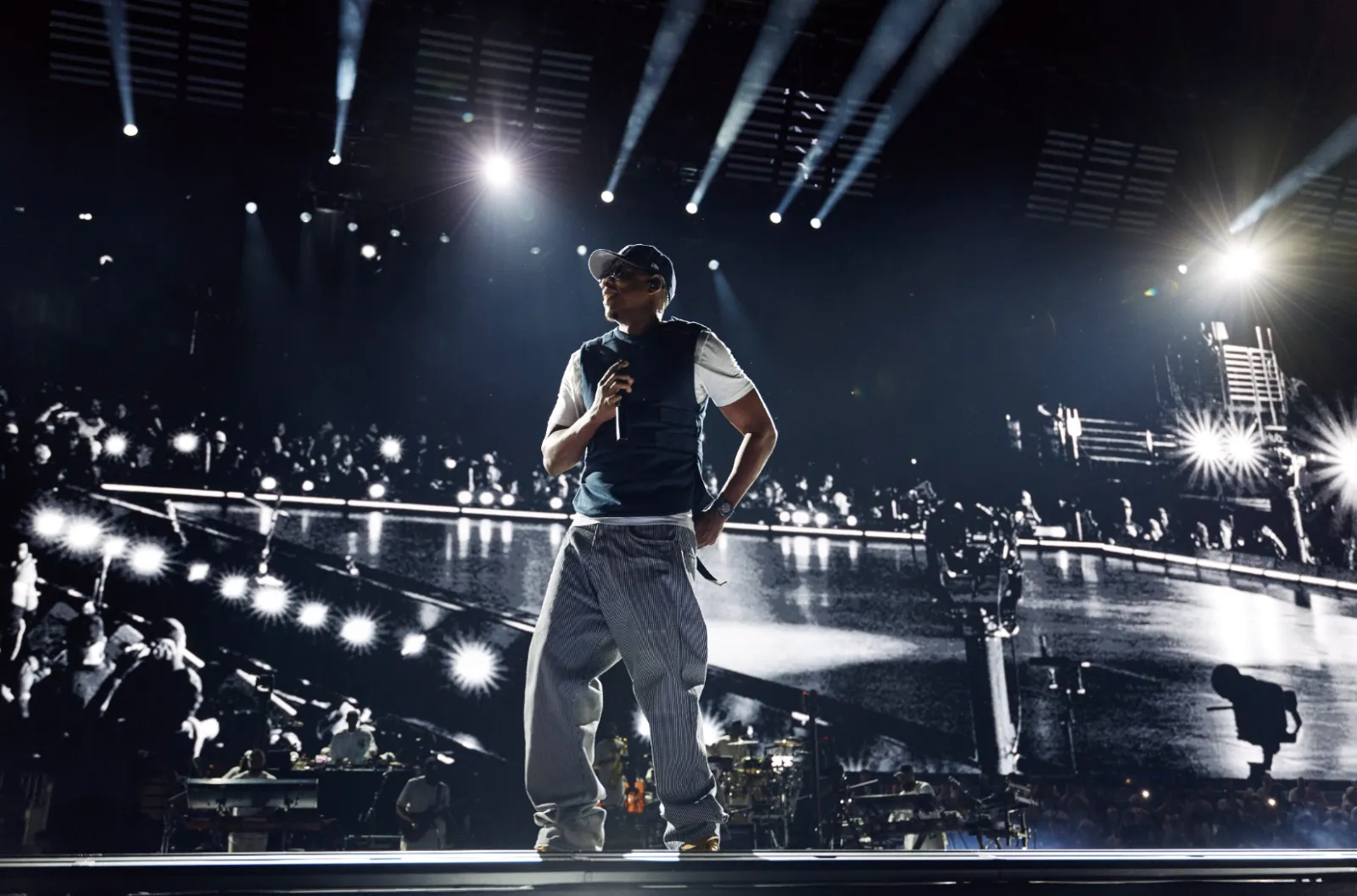
Jay-Z closed the third and final show of his Yankee Stadium residency on Sunday night, capping a weekend that marked the 25th and 30th anniversaries of “The Blueprint” and “Reasonable Doubt,” with Beyoncé, Rihanna, Usher, Teyana Taylor and more. For decision-makers, the playbook is clear: a high-profile live IP event can function like brand capital with measurable attention spillover and operational pressure.
Jay-Z opened the third and final show of his Yankee Stadium residency on Sunday night with a promise that basically dared the crowd to keep up. “We’re going to go until like 5 a.m., so don’t be scared,” he said not long after he started the concert, signaling that the weekend’s grand finale would be more endurance test than tidy capstone.
That statement landed inside the context of the entire residency weekend, which paid homage to the 25th and 30th anniversaries of Jay-Z’s seminal albums “The Blueprint” and “Reasonable Doubt.” Those milestones matter because they are not just nostalgia. They are a reminder that Jay-Z’s brand is built like a long-term portfolio, where the catalog is the asset and the live show is the accelerant. The third show, positioned as the concluding chapter after two earlier nights, leaned hard into that strategy by stacking marquee guest energy and turning the stadium moment into an evening that felt like a cultural event, not a standard performance.
The guest list, as Variety reported, included Beyoncé, Rihanna, Usher, Teyana Taylor and more, which is a reminder of how contemporary top-tier music residencies function. They are increasingly cross-artist platforms where attention aggregates. When multiple A-list performers share the stage within the same limited window, it creates a visibility event that is bigger than the sum of any one act. Executives who think about media value often talk about “reach” and “velocity.” Live events like this are one of the few places where both can spike at once: the fans are local and physical, but the conversation spreads globally and fast.
From an operations and risk-management angle, the “until like 5 a.m.” framing is also a quiet operational tell. Long show timelines are not just a vibe; they affect staffing, transportation, security, crowd flow, sound constraints, and end-of-night compliance. Even when the artistry is the headline, the logistics are the invisible backbone. A finale that stretches late changes the burden on every partner in the ecosystem, from stadium operators to event security to talent teams coordinating rehearsals and transitions. In other words, the spectacle is the marketing, but the execution is the real differentiator.
Zoom out to why this matters in 2026-era entertainment economics. Residencies and major touring IP have become a central lever for revenue and brand maintenance. They help artists keep relevance between releases, and they give labels, management, and booking stakeholders a chance to monetize “moments” that are more controllable than organic virality. Album anniversaries are especially potent because they create a built-in narrative arc. “The Blueprint” at 25 and “Reasonable Doubt” at 30 are not random dates. They are story anchors that can be reused across press cycles, merchandising, partnerships, and fan communities.
There is also a governance angle worth noting for executives and board members who oversee media assets. Major live events depend on coordinated stakeholder alignment: artists and their creative teams, stadium operators, advertisers, media outlets, and sometimes public agencies depending on local requirements. The longer the runtime, the more stakeholders must agree on boundaries, contingency plans, and safety priorities. The fact that Jay-Z framed the late finish openly suggests confidence that the venue and production apparatus were built to support it. That is a credibility signal, especially for sponsors and partners deciding whether a brand wants to be associated with the “main stage” of a cultural night.
Second-order impact shows up in how people in adjacent roles measure opportunity cost. If your company is in payments, ticketing, analytics, sponsorship sales, or even enterprise software for event ops, you learn something from a headline like this: large-scale music events can compress attention into a single weekend, then extend it through press coverage and social sharing long after the last note. The residency format makes those “attention bursts” more predictable than one-off concerts, which can influence how budgets are timed and where marketing spend is directed. It is not just about ticket revenue. It is about owning the conversation while it is hot.
So what should other executives take from this? Jay-Z’s final night is a reminder that star power plus clear narrative framing equals durable media gravity. The “5 a.m.” line is memorable because it signals commitment to an experience, and the anniversary setup makes it coherent for fans who came for the past but stayed for the present. When the weekend’s concluding show lands with guests like Beyoncé, Rihanna, Usher, and Teyana Taylor, it turns a residency into a high-stakes brand moment. For leaders across the music and events industries, that is the strategic lesson: you do not just book a performance. You build a timeline, a story, and an operations plan that can carry the audience from kickoff to a late-night finale without losing the thread.
This story's Key Insights and Take-aways are locked.
Create a free account to unlock Executive Actions for one credit.
Register to UnlockAlways free for Executives Club members. Join the Club
More in Entertainment
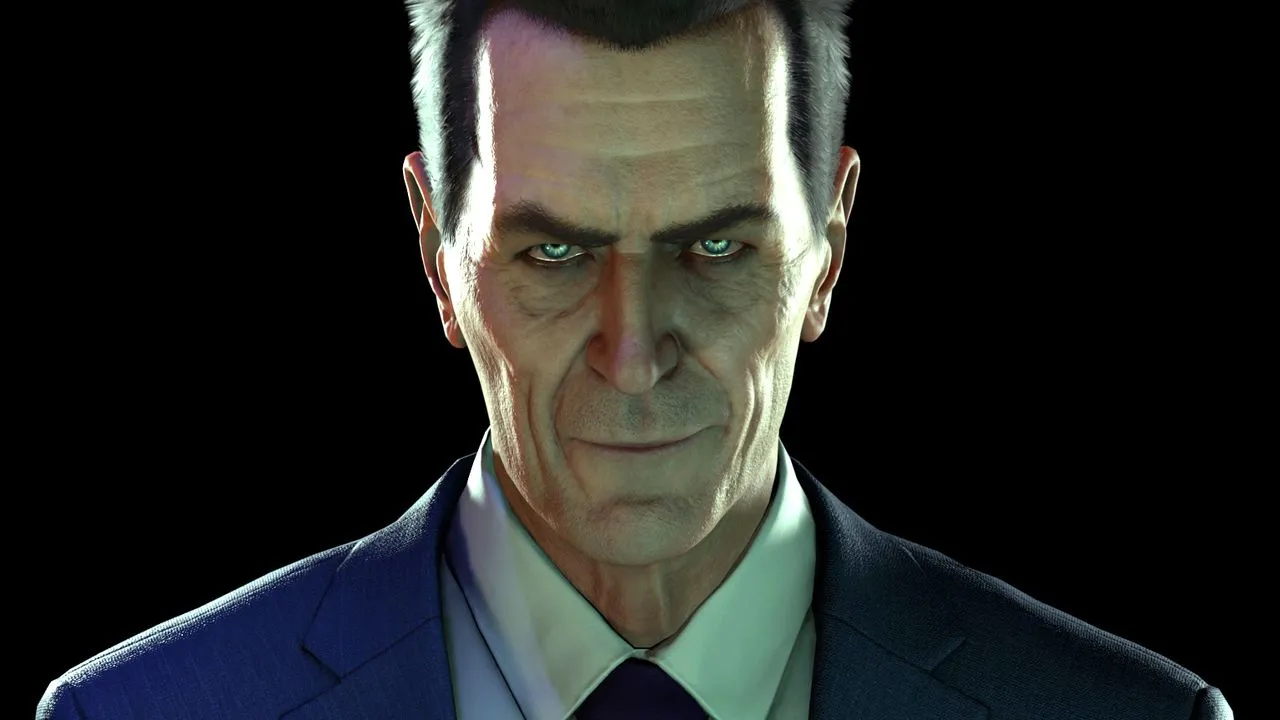
12TB Steam 'teraleak' goes beyond Valve: GTA 3, Mafia 2 prototypes exposed
A 12-terabyte dump of Steam data reveals prototypes and builds of third-party classics like GTA 3 and Mafia 2, plus unreleased Valve content, rewriting game history.
LinkedIn's romance problem: 1 in 4 workers say dating on it is fair game
A new survey shows a quarter of U.S. employees treat the professional network as fair game for romance, even as LinkedIn bans it and removes hundreds of thousands of offending posts.

Enhypen's first No. 1 album breaks K-pop's Billboard 200 streak
The K-pop group's 98,000-unit debut tops the chart while Dolly Parton's catalog reentry shows how death reshapes streaming.