
Jeddah Tower restarts and targets 167+ storeys, aiming to dethrone Burj Khalifa
After years of delay, construction is back and Saudi Arabia’s Jeddah Tower is set for 167 floors and 2028 completion.
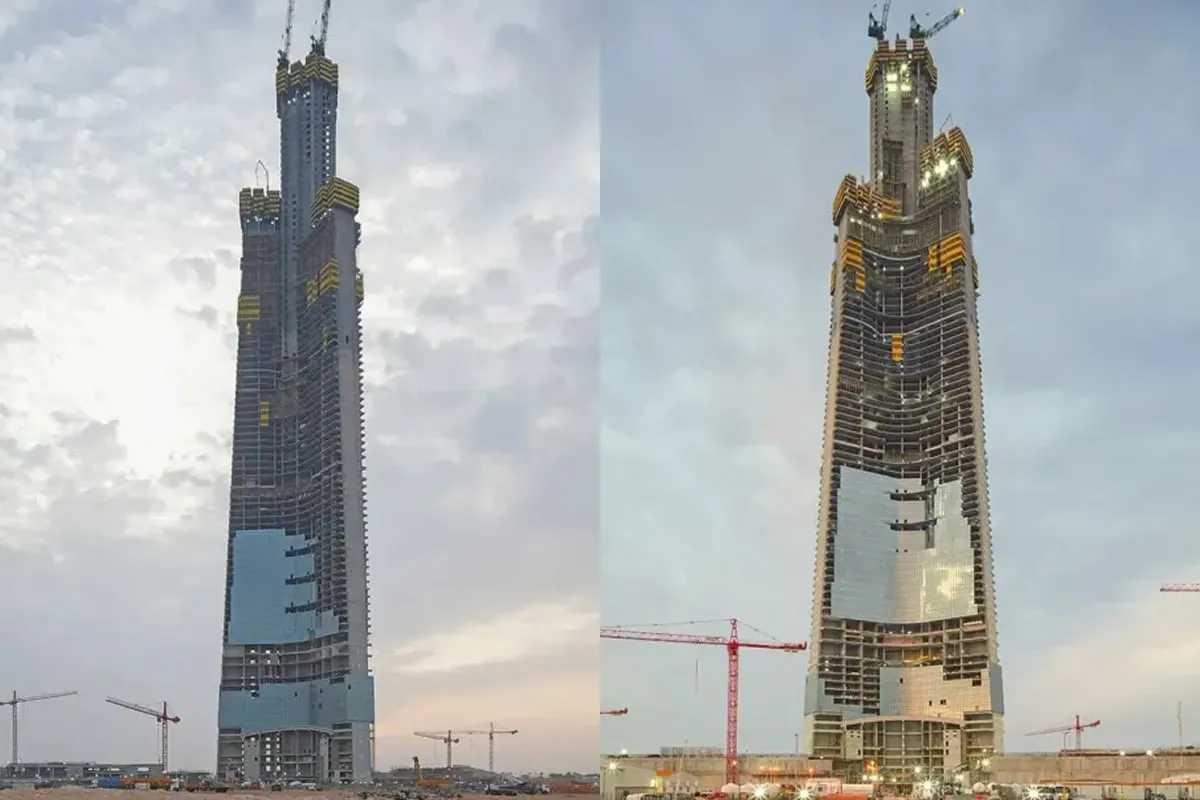
Saudi Arabia’s Jeddah Tower in Jeddah Economic City is expected to rise to at least 167 storeys, surpassing Dubai’s Burj Khalifa, following a return to active development after stalled work. For decision-makers, the project is a high-profile test of execution, capital discipline, and capacity in Vision 2030-linked mega-construction.
Saudi Arabia’s Jeddah Tower is expected to rise to at least 167 storeys, comfortably eclipsing the Burj Khalifa’s 163. The significance is not just bragging rights. It is the kind of deliverable that drags every supporting system with it, from structural engineering capacity to contractor throughput to investor confidence, because the whole world is using the same yardstick: height, floor count, and completion timing.
Fresh construction activity signals that the long-delayed tower is moving again after years of setbacks. The tower is designed to exceed one kilometre in height and is once more advancing toward becoming the tallest building in the world. This matters to anyone tracking Middle East real estate execution, because a project at this scale does not merely “restart.” It revalidates the masterplan, the construction schedule, the supply chain, and the credibility of the entire stakeholder stack.
Here is the quick scoreboard that frames why this is on executives' radar. Industry reports indicate the skyscraper will feature a minimum of 167 floors, surpassing both the height and storey count of Burj Khalifa, which stands at 828 metres and has held the world’s tallest building title since 2010. When Jeddah Tower reaches its target, it will do what mega-project sponsors typically promise but rarely deliver: convert headline ambition into measurable milestones. It is a completion narrative, not a concept narrative.
The tower’s location is Jeddah Economic City, described as a centerpiece of Saudi Arabia’s wider real estate and economic transformation ambitions under Vision 2030. That context is important. Vision 2030 pushes for diversification and large-scale urban and economic change, and mega-developments are one of the most visible levers. The project is planned as a mixed-use development including residential units, office space, hospitality offerings, and an observation deck overlooking the Red Sea. In other words, this is not solely an engineering contest. It is a land-use, revenue-mix, and brand-building bet.
The project has been through the classic boom-and-stall cycle. Construction originally began in 2013 before work stalled. Then, the project returned to active development, with the last month’s milestone underscoring that momentum is real enough to track. Jeddah Tower crossed 100 floors, putting the structure at roughly 398 to 400 metres. Saudi Binladin Group (SBG) also recorded more than 10 million work hours without an injury. Thornton Tomasetti, which is providing structural design services, confirmed that the tower had passed both 100 floors and 400 metres in height.
From a governance and risk-management standpoint, safety performance and measured progress are not “soft” signals. They are leading indicators. The milestone was confirmed by Thornton Tomasetti, and the design team includes Adrian Smith + Gordon Gill Architecture. Thornton Tomasetti also said it is working with the wider project team including Jeddah Economic Company, Langan, RWDI, Dar Al-Handasah, Saudi Binladin Group, and Turner International. When boards evaluate mega-projects, they often ask a blunt question: do you have the staffing, coordination, and design delivery discipline to keep hitting physical milestones without slipping? The reported construction hours without injury, plus the floor and height confirmation, is how sponsors try to answer that question with evidence.
The construction timeline has its own turbulence. Work stalled in 2018 before resuming in early 2025. Since then, acceleration has been reported throughout last year: the project moved from around 80 floors in December to more than 100 floors by April 2026. The tower is expected to be completed in 2028. That schedule is a big part of the stake because mega-projects are financially and operationally sensitive to time. Delays tend to compound costs, pressure financing arrangements, and force changes across procurement and subcontracting. The fact that the tower is now moving through quantified milestones makes the 2028 target more than a press release.
When complete, the mixed-use development will include a hotel, residences, offices, and what is expected to be the world’s highest observation deck as part of the wider Jeddah Economic City masterplan. That “highest observation deck” detail matters for more than tourism optics. Observation decks can become anchors for footfall, media attention, and premium pricing strategies, and they often help justify long-horizon leasing and hospitality business cases. The broader second-order implication for executives across the region is straightforward: if Jeddah Tower sustains momentum, it raises the bar for what other developers will be expected to deliver, not just on design, but on schedule credibility.
For leaders in real estate, infrastructure, and construction-linked finance, the lesson is less about who wins a tallest-building contest and more about execution at scale. When a project crosses 100 floors after a restart, with structural design services confirmed by Thornton Tomasetti and a reported safety record of more than 10 million work hours without an injury, it signals that the risk curve may be flattening. And for decision-makers watching Vision 2030-style megaprojects, credibility is capital. The market tends to reward sponsors who can turn megawatts of ambition into verifiable concrete progress, on time and safely, because everyone else is watching the same skyline.
This story's Key Insights and Take-aways are locked.
Create a free account to unlock Executive Actions for one credit.
Register to UnlockAlways free for Executives Club members. Join the Club
More in Business

A flaw in PHP just forced governments to pull their own sites offline
European agencies from Belgium to Germany took websites dark to patch a critical weakness in the language behind almost 70% of the web, and the blast radius extends far beyond government portals.

BioWare shuts down, Mass Effect 5 dead after $55B EA buyout
The legendary RPG studio's closure lands months after a $55 billion investment group buyout of EA, raising tough questions for gaming's biggest acquirers.
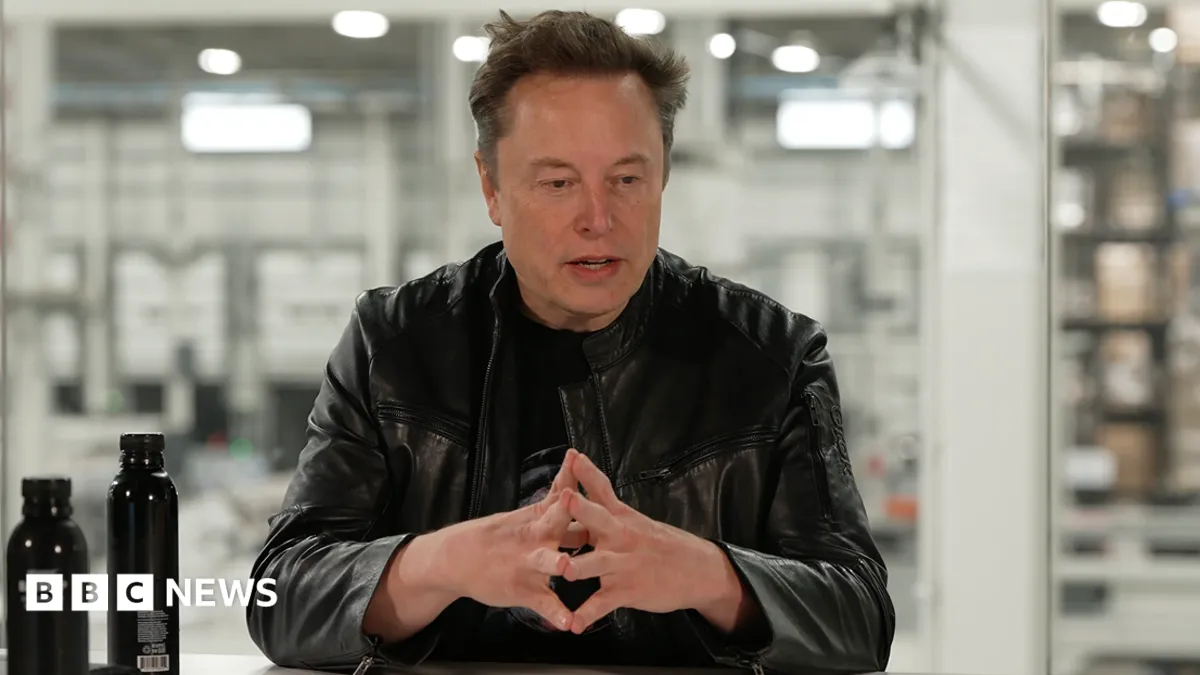
Musk weighs Tesla-SpaceX mega-merger as boards form review panels
Special committees at both companies will examine a tie-up that could fuse electric vehicles and space launch, forcing a fresh look at governance and valuation.