

Jeff Bridges tells Theo Von “It’s very frightening” as Suno turns prompts into studio songs
The AI music generator is already reshaping Nashville, even as Warner Music Group’s $500M copyright fight keeps heat high.
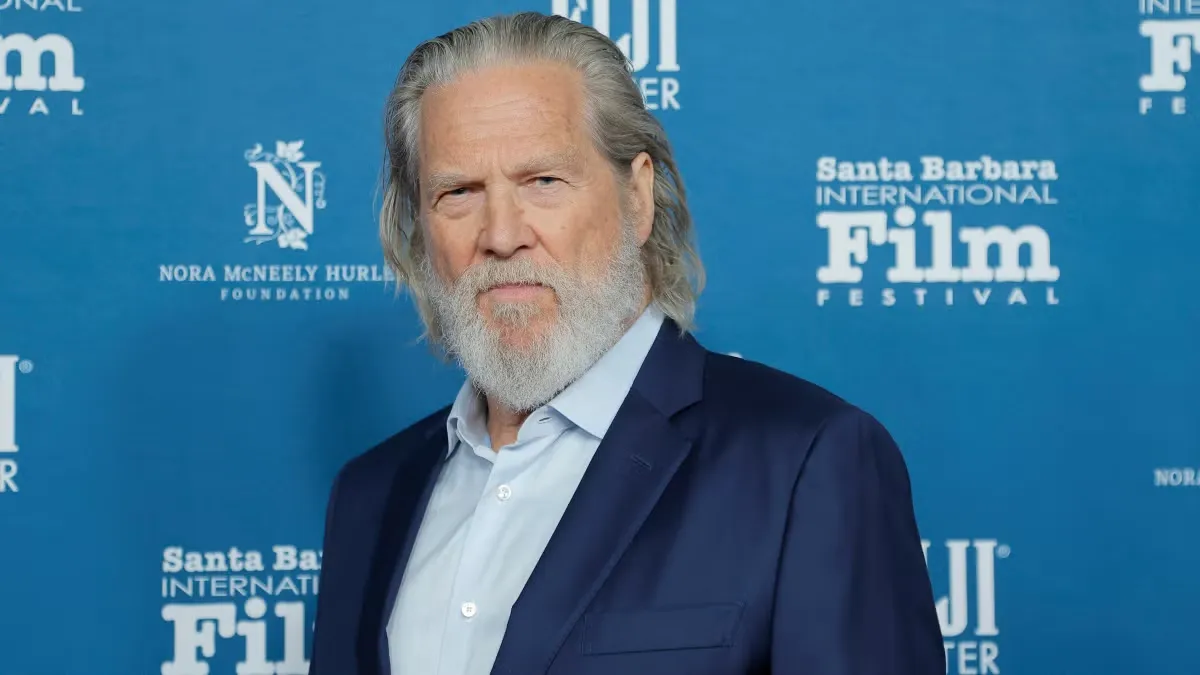
Jeff Bridges introduced Theo Von to Suno on Von’s “This Past Weekend” podcast, then demonstrated how Suno can generate full songs with vocals and instruments from prompts. For decision-makers, the bigger story is the speed of workflow change colliding with licensing and copyright risk in the music industry.
Jeff Bridges did not exactly sell Suno with a smile. On Theo Von’s “This Past Weekend” podcast, the “Big Lebowski” star warned that artificial intelligence music is “very frightening,” while immediately showing what the tool can do. Bridges told Von, “AI is, it’s frightening, man. It’s very frightening,” and then demonstrated how a song can be “hatched” from a prompt, with vocals and instruments included.
That contrast is the whole point. Bridges frames AI as unsettling, but he still uses it publicly, and he makes one practical argument that lands harder than the warning: cost and speed. He said, “All the guys in Nashville are using it now,” adding that instead of going into the studio and paying “$10,000,” creators can do it “for nothing.” After Von asked whether he had used the platform before, Bridges leaned into the workflow: “As there’s a drug element to all of this, you can put your demos in and with your melody and your singing. And then it'll orchestrate it and put on a vocal.”
To understand why this matters, zoom out to how music creation typically works. Historically, building a full track means time plus specialized labor, whether that is songwriting, arrangement, recording, and production, or the machinery of studio sessions. Even when artists move fast, there is usually a bottleneck. Suno’s promise, as Bridges describes it, is that the bottleneck changes: feed in melody, singing, and demos, and the system orchestrates and adds vocals. In other words, the “drafting” stage can shrink dramatically.
Bridges and Von even touched the valuation question out loud. Von asked, “But do you think that holds as much value, though? Or does it even matter?” Bridges answered, “That’s the thing, it’s changing. Everything, it’s just changing, man.” That line is more than performance. It is a signal that the market logic for “value” is likely to shift as more people can generate complete songs quickly and cheaply. For industry leaders, that means the competitive edge does not only sit in final masters. It increasingly sits in what you choose to build, who can iterate best, and how you translate AI output into commercially viable work.
And the industry is not just reacting in culture. It is reacting in contracts and court filings. Warner Music Group and Suno signed a licensing agreement in 2025 after Warner Music Group filed a $500 million copyright lawsuit. The deal, according to the source, allowed for the combination of Suno’s capabilities with Warner’s artists and related development tools. This is a key detail for executives watching the space: AI music is not just a product experiment anymore. It is an issue that has moved into formal licensing, with major labels carving out terms to enable use.
So when Bridges says Nashville is using it “now,” he is describing adoption, but licensing describes permission. That gap is where boardrooms start paying attention. If creators can produce full songs without the traditional studio spend, then labels, publishers, and platforms face two simultaneous pressures: demand-side acceleration (more people generating content) and supply-side uncertainty (how much of that content is usable, monetizable, or attributable under existing rights frameworks). Licensing agreements like WMG-Suno can reduce uncertainty, but they do not eliminate it, especially as technology expands and new use cases appear.
There is also a second-order effect hiding in plain sight: workflow changes can change negotiating power. When the cost to produce rough full tracks falls, artists and teams may arrive at negotiations with more material and more versions, potentially shifting leverage. Meanwhile, rightsholders may want tighter controls over datasets, training, and output attribution. The “changing value” Bridges points to can mean different things depending on the role you hold, but it always points to the same direction: decisions about rights and revenue share need to keep pace with the speed of creation.
For peers in similar roles, the strategic takeaway is not “AI is scary,” even though Bridges says it is “very frightening.” The takeaway is that the scary part is already operational. Suno can generate songs from prompts, complete with vocals and instruments, and widely cited licensing momentum suggests the industry is trying to keep up rather than stop. When adoption outpaces governance, risk migrates from theory into contracts, compliance programs, and product roadmaps. The next wave of competitive advantage will likely go to the companies that can move fast on creation while moving even faster on rights clarity.
This story's Key Insights and Take-aways are locked.
Create a free account to unlock Executive Actions for one credit.
Register to UnlockAlways free for Executives Club members. Join the Club
More in Entertainment

Russell Brand's accuser 'bewildered and confused' as he denies 7 sex charges
The criminal case against the comedian is a live test of how media companies manage talent risk when serious allegations go public.

'It's a Magic Trick': Ballet Experts Say Rosalía's SNL Pose Is Impossible
Three ballet experts tell Rolling Stone Rosalía's gravity-defying SNL stillness shouldn't be possible - and why the debate is now part of the show.

Activision CMO: GTA 6 Will Boost Call of Duty, Not Bury It
Activision's top marketer says Rockstar's blockbuster will drive players back to consoles and into Modern Warfare 4, even as the company admits its recent strategy failed.