

Jensen Huang makes snacks subsidized, not free, and Big Tech perk wars look silly
At Nvidia, former employees say the cafeteria isn’t free, bottles and drinks cost extra, and the philosophy is deliberate.
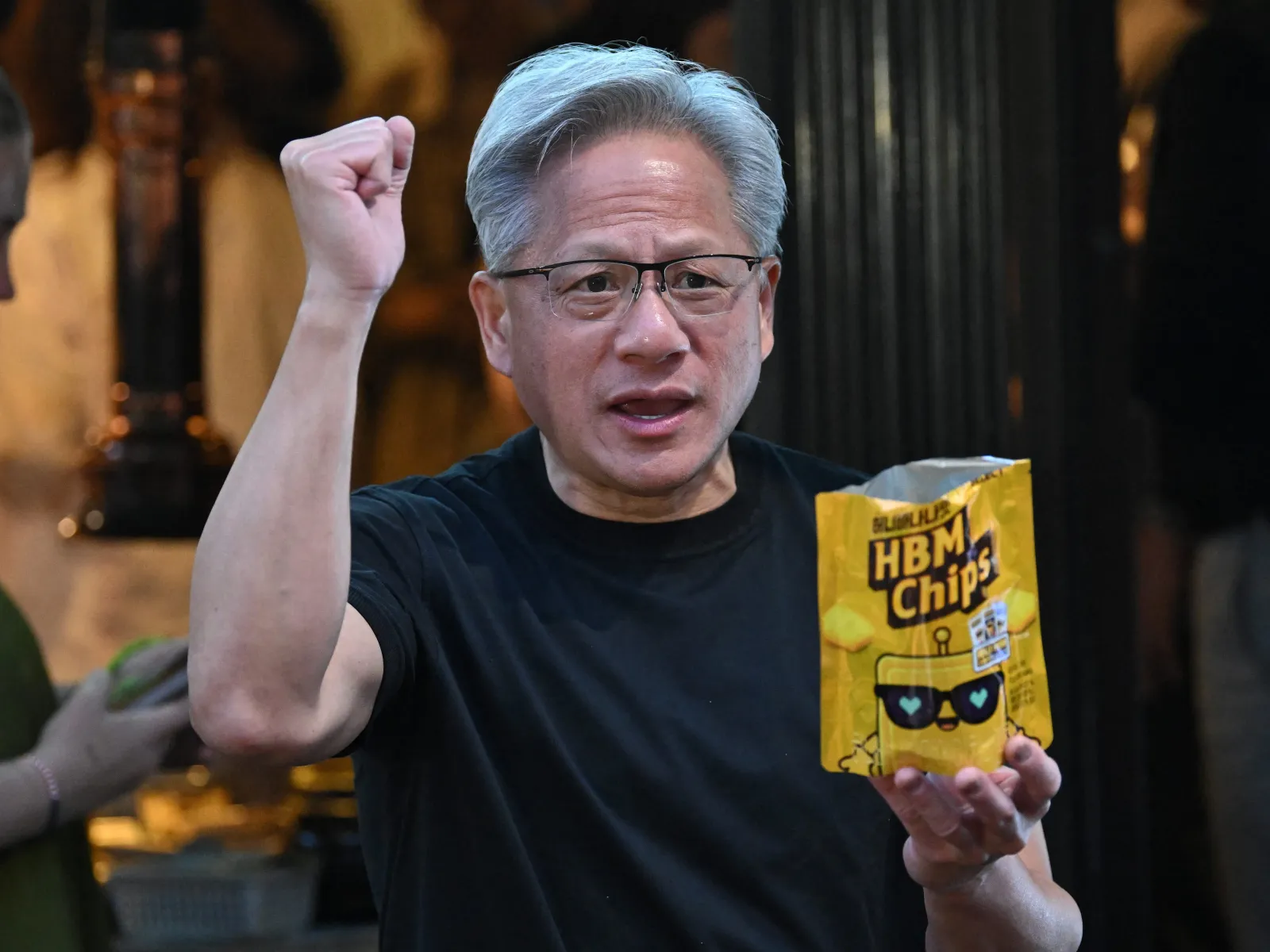
Nvidia CEO Jensen Huang has built a workplace culture where frugality extends from benefits to the cafeteria. For decision-makers, it is a real-time signal that cost discipline is rewriting employee-perk playbooks across tech.
Nvidia CEO Jensen Huang’s approach to employee perks is about to feel unusually old-fashioned: former employees tell Business Insider that cafeteria meals are not free, they are subsidized. They also say some beverages like coffee are complimentary, but select bottled beverages and drinks bought from on-site cafés are not.
That may sound like a minor HR detail until you remember what “Big Tech perks” used to mean. For years, Silicon Valley competed on free meals, gyms, lavish campuses, and the kind of workplace extras meant to keep people in the office. Nvidia, by contrast, has become the poster child for a different value system: pleasure is separated from work, and the work itself is the point. Multiple former employees described the logic in nearly the same terms. One said, “Being frugal is deeply rooted in Nvidia's DNA.” Another linked it to a belief in separating pleasure and work, adding the company did not have “ping-pong tables, a company gym, massages-on-request, or stuff like that.”
The cafeteria policy is not just about lunch. It is an incentive design. If meals are subsidized instead of free, the company is still taking care of basics, but it is also nudging consumption back toward “work first.” One former employee described the day-to-day reality bluntly: “Food would be your last concern as long as you could get it ASAP and return to your desk.” In other words, the perk is not the lifestyle. The productivity is.
This friction matters because workplace perks have been part of a broader labor competition. In the AI boom years, many tech companies treated retention like a battlefield where every advantage had to be visible and tangible. Now the environment is shifting toward cost discipline and efficiency, and that shift is showing up in cafeterias, not just earnings calls. The Business Insider report explicitly frames it as part of a new era where tech companies are clamping down on perks. Amazon and Apple also do not offer free food, according to the same reporting, which places Nvidia in a wider cost-controlled bucket rather than a lone oddball.
Even so, Nvidia’s cafeteria stance landed in public attention through a different route: a recent X thread by software engineer and industry analyst Gergely Orosz, who claimed that snacks and coffee are not free at the chip giant. That thread helped spotlight how “sparring with perks” can be a cultural story as much as an operations story. And it created a contrast that the article leans on: while companies like Google still offer chef-prepared meals and microkitchens stocked with snacks, other firms are dealing with morale and cost pressures. Meta is reportedly trying to improve its microkitchens amid morale challenges at the company.
Why does any of this matter to executives who are not running an office café? Because perks are a lever that can either reinforce or undermine the organizational culture you are trying to build. When perks are free and abundant, the workplace message can unintentionally become “stay here.” Former employees attributed Nvidia’s opposite message to its culture. One said, “Other workplaces where everything is free are implicitly trying to coax employees into staying in the office as much as possible - Nvidia has the exact opposite philosophy.” That is a subtle but powerful difference. It tells employees that the company is not asking for time at all costs. It is asking for output.
There is also an industry logic underneath the lunch policy. One former employee pointed to the margin structure: “Traditionally, hardware companies have always been operating at very thin margins, far below what software companies were doing.” Nvidia sits in hardware and chips, not purely software, and that can shape internal assumptions about what the company can afford to subsidize. The report also connects the cafeteria approach to other cultural signals. For example, Nvidia vice presidents fly economy and do not have executive assistants, practices the article says have been attributed to its “one team” culture of equality. Lunch is consistent with that broader pattern.
Then there is the question of whether employees actually feel deprived. Business Insider reports that the food policy does not appear to bother Nvidia employees. One former employee said the excitement of “so much exciting work going on” meant cafeteria details were not a primary concern. That is another second-order point for boards and senior leaders: if the mission and execution are strong, some employees may view perks as secondary. But if execution weakens, cost-cut perks can become a morale accelerant. Nvidia’s current posture seems designed to avoid treating benefits as a substitute for impact.
One missing detail is where the exact boundary is between “complimentary” and “not free.” The reporting is specific enough to matter: some beverages such as coffee are complimentary, while select bottled beverages and drinks purchased from on-site cafés were not. Nvidia did not respond to Business Insider’s request for comment. So the story stands on employee accounts and the public thread that kicked the spotlight. Still, even without a formal statement, the pattern reads clear: Nvidia is treating employee perks as something to be controlled, not something to be broadcast.
For executives making budgeting calls now, the underlying takeaway is that the “perk arms race” is losing oxygen. In a world where AI and cost discipline are tightening every spreadsheet, Nvidia’s frugal cafeteria approach is a signal that culture and operating discipline can travel together, even to the place where people line up for snacks. The strategic stake is simple: if you can deliver ambitious work without escalating ongoing perk costs, you may defend margins and morale at the same time. If you cannot, you will likely end up paying for perks to cover gaps your product or execution should be closing.
This story's Key Insights and Take-aways are locked.
Create a free account to unlock Executive Actions for one credit.
Register to UnlockAlways free for Executives Club members. Join the Club
More in Technology

Nvidia's $89B data center quarter: the 9 companies cashing in
The AI buildout is minting fortunes beyond GPUs, and memory, cloud, and cooling suppliers are riding the same wave.
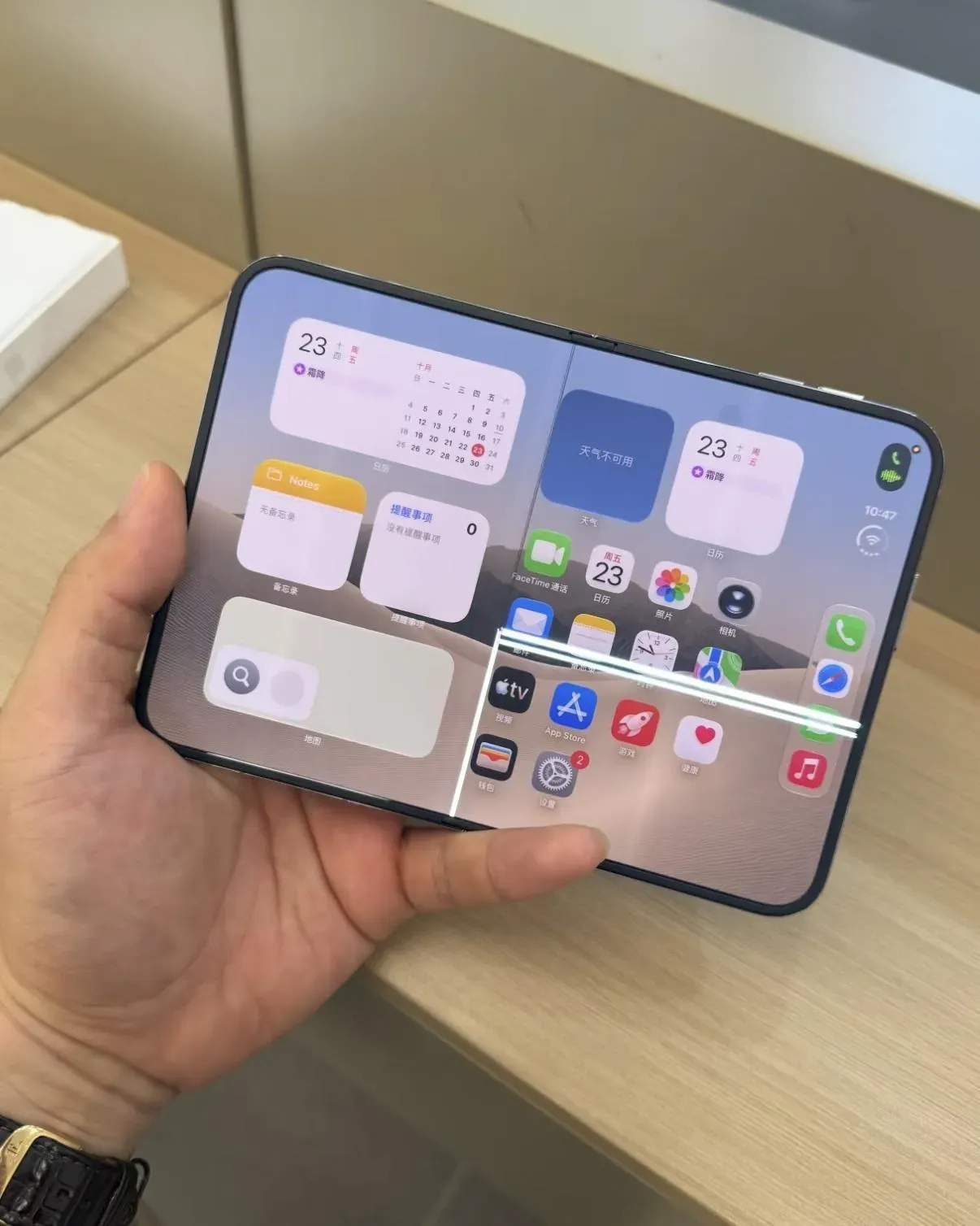
A YouTuber dissected the iPhone Duo and thinks he found crackgate's cause
CuriousHagi's teardown of Apple's foldable reveals a gear-like hinge that may explain why screens crack in the same spot within hours.

Google quietly links your phone number to every Android account on your SIM
Adding a SIM now ties your phone number to all Google accounts - and future accounts inherit it. Here's the security and privacy stakes.