

Jensen Huang says Nvidia engineers prefer building agents over writing Python code
The Nvidia CEO argues AI is reshaping software work into agent design, not job replacement.
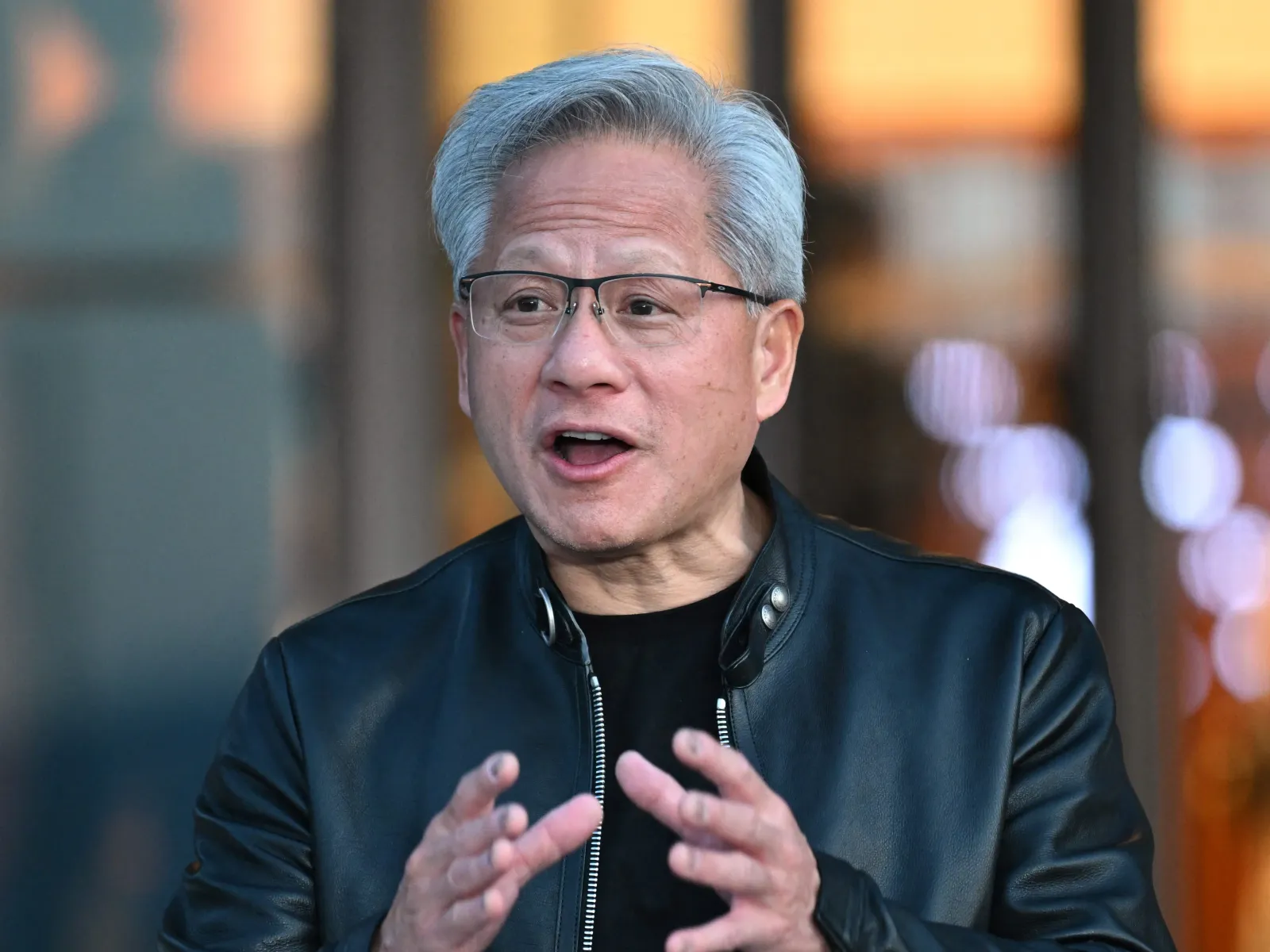
Nvidia CEO Jensen Huang says his software engineers prefer building agentic systems to writing Python code as AI changes their role. He also argues AI is creating new jobs and new skills, which matters for leaders planning workforce and productivity strategies.
Nvidia CEO Jensen Huang says his software engineers “prefer to be building agents than to be writing Python code.” In an interview published by Nvidia on Wednesday, Huang framed the shift as a skills evolution powered by AI, not a simple swap of humans for machines.
Huang’s core claim is brutally specific: because of AI, Nvidia engineers are doing less “coding, which is like typing.” Instead, they are building “agents, benchmarks, and guardrails.” He describes the work as getting the mundane tasks out of the way and then directing an agent to handle them, which he says demands “imagination” and “creativity,” plus “a lot of technology.” That is the new job description he wants software teams to feel in their bones.
To understand why this matters, zoom out to what “agentic” software means in practice. The source lays out a simple definition: AI agents break down a task into multiple smaller steps, each tackling a specific task to achieve a bigger goal. That changes how teams think about engineering output. Writing code is often about translating requirements into logic. Building agents is about designing a system that can plan, execute, and iterate across steps. And once you accept that, the engineering pipeline shifts toward components that help agents do the right thing reliably.
That is where Huang’s mention of benchmarks and guardrails hits. Benchmarks are how you measure whether an agent does what it claims to do, beyond a demo. Guardrails are how you constrain behavior so the system stays within acceptable boundaries. For executives, this is not a trivial software preference. It signals that the “center of gravity” in AI development is moving toward evaluation, safety controls, and system-level behavior, not just model performance. Even if you never write Python yourself, the organizational capability you need is changing.
Huang also took aim at a narrative that has become common across boardrooms and news alerts: that AI mainly replaces workers, especially in white-collar roles. In the Nvidia interview, he rejected the idea that AI is just taking away jobs, arguing instead that bringing AI into the world requires enormous work. He said, “The amount of work that we have to do to bring AI into the world is really quite incredible,” and that it is “creating a whole bunch of jobs,” adding that his software engineers love it.
This is consistent with a point he made in a May TV interview, where he argued the first thing AI is doing right now is creating an “enormous number of jobs.” He also said, “AI creates jobs,” and that “AI is the United States's best opportunity to re-industrialize ourselves.” For leaders, that framing is consequential because it affects how you plan hiring, training, and internal reskilling. If your strategy assumes replacement, you might freeze headcount or narrow roles. If you assume creation, you invest in new teams and new workflows, such as agent evaluation, guardrail development, and integration into real products.
There is another reason this claim is worth noticing: Huang has been a strong advocate for AI assistants in the workplace. The source notes he has repeatedly described a future where Nvidia will mass-deploy agents across every division to improve productivity. That ties directly to a broader corporate incentive structure. When a CEO talks about mass-deployment, it is not just a technical bet. It is a signal to the company and to the market that agent capability will be a near-term operating requirement across teams, not a standalone pilot. The likely second-order effect is that engineering orgs feel pressure to shift their output from producing “code artifacts” toward producing systems that can carry out multi-step work.
So while Huang’s quote is personal, it is also strategic. He cofounded Nvidia in 1993, and his view is that AI changes what “engineering” even means. The strategic stakes for executives are straightforward: if your teams are still organized primarily around typing code, you may be slower to build the benchmarks, guardrails, and agent behaviors that make AI usable at scale. Meanwhile, if you lean into agent design as a new engineering discipline, you create a path for developers to move up the stack, and you turn AI from a competitive threat into a productivity engine. The question for leadership teams is not whether AI assistants will matter, it is whether your organization is training and measuring for the agent era now.
This story's Key Insights and Take-aways are locked.
Create a free account to unlock Executive Actions for one credit.
Register to UnlockAlways free for Executives Club members. Join the Club
More in Technology

Google quietly links your phone number to every Android account on your SIM
Adding a SIM now ties your phone number to all Google accounts - and future accounts inherit it. Here's the security and privacy stakes.

Hijacker AI 'Skynet mode' runs 100,000 attack steps against exposed models
Symantec caught a criminal AI agent that borrows other models, steals data, and mines crypto; the only relief is no confirmed victims yet.

Nvidia's AI-financier shift faces its first big test as neoclouds stumble
A rout in neocloud stocks is forcing investors to weigh Nvidia's hidden exposure as both supplier and lender to the AI buildout.