
JetBlue expands Fort Lauderdale playbook to blunt Miami's American Airlines grip
The airline is investing in Fort Lauderdale, including a new airport lounge, to fight for international routes against Miami.
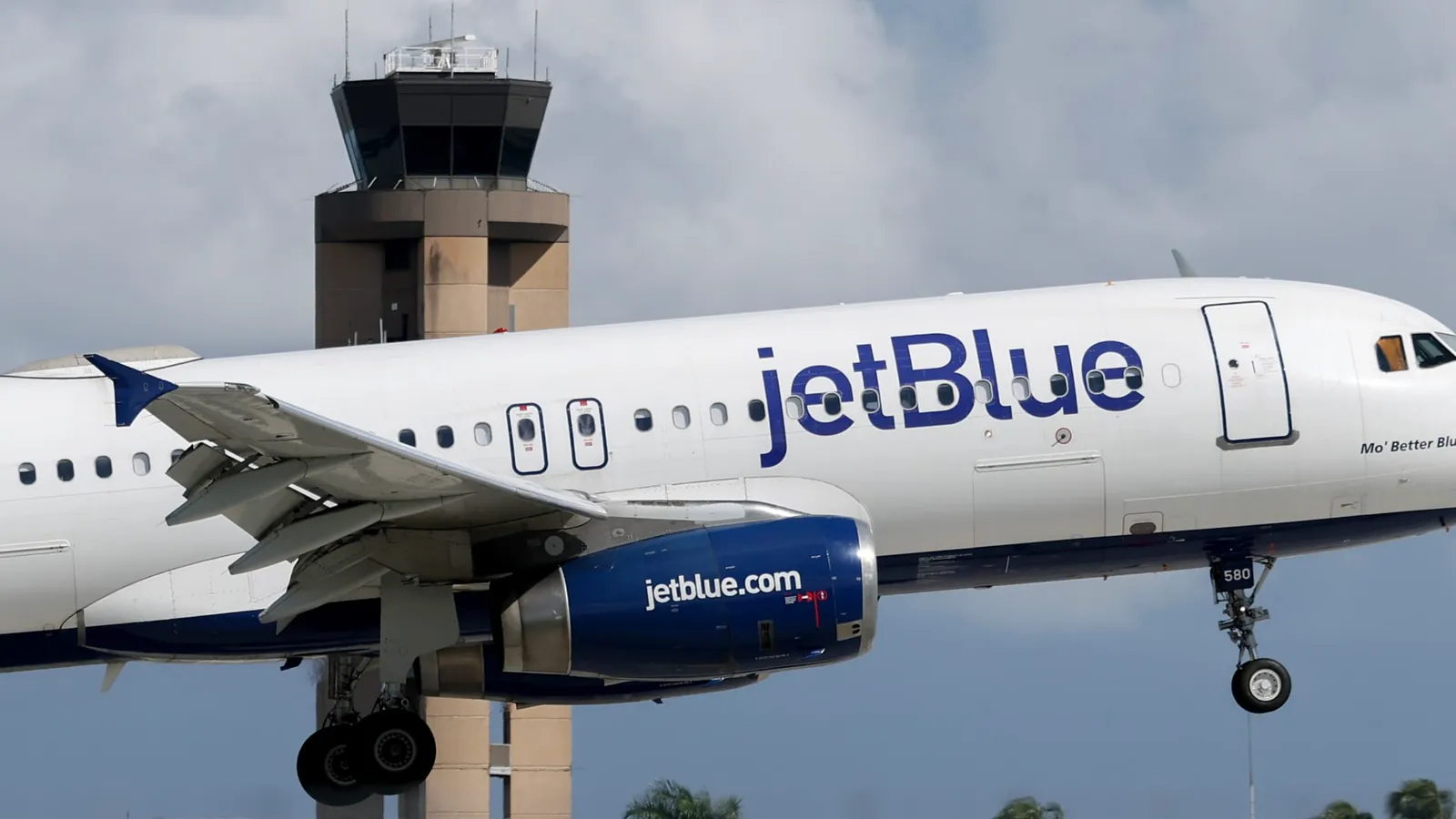
JetBlue is betting big on Fort Lauderdale, rolling out initiatives that include a new airport lounge and pushing it as an international gateway. The shift matters to decision-makers because it targets a market where Miami International Airport is dominated by American Airlines.
JetBlue is leaning harder into Fort Lauderdale, building out a bigger presence there that includes a new airport lounge and a broader push toward international travel. The strategic purpose is direct: it faces heavy competition at nearby Miami International Airport, which is described as an American Airlines stronghold.
This is the kind of move airlines make when the airport ecosystem starts acting like a locked room. If one hub is dominated by a single major carrier, then route competition becomes less about “who has the best aircraft” and more about “who controls the passenger flow.” JetBlue’s Fort Lauderdale bet is essentially an attempt to create a parallel flow of travelers and reduce the gravitational pull of Miami’s current incumbent power.
To understand why a lounge matters, zoom out for a second. In airport strategy, the product is partly the aircraft, but just as often it is the experience around the aircraft. A new lounge can become a marketing magnet for premium travelers, a retention tool for frequent flyers, and a signal that the airline expects more demand in a specific market. JetBlue’s focus on Fort Lauderdale, paired with the lounge investment, is consistent with a plan to make Fort Lauderdale feel like a destination airport, not just a stopover.
The competitive math with Miami also explains the timing and the urgency. The source frames Miami International Airport as an American Airlines stronghold, and that matters because strongholds tend to come with advantages that compound over time. When a carrier has deep route networks, high-frequency service, and a loyal passenger base, it can attract partnerships and retain corporate and leisure traffic. Rival airlines then face a tougher runway to grow because every additional flight needs to earn its way in against an already established system.
Regulatory issues and airport governance rarely get headlines, but they often sit behind moves like this. Gate access, terminal investment priorities, airline slot allocations, and airport service agreements can all shape how quickly an airline can scale international routes. Even when the airport operator is neutral on paper, the real-world outcome can tilt toward the carrier that already has momentum. In that environment, JetBlue’s Fort Lauderdale strategy can be read as a practical response: if you cannot easily break into Miami’s center of gravity, you build your own gravity.
There is also an operational and brand implication. Fort Lauderdale serves as a geographic and demand gateway for travelers heading to and from places with strong leisure travel demand, and international ambitions often ride on incremental improvements in passenger convenience and perception. JetBlue’s “from a new airport lounge to an international gateway” arc suggests the airline is trying to connect day-to-day passenger experience with long-term route strategy. A lounge is tangible. An international gateway is the payoff.
For executives at airlines, airports, and travel platforms, the second-order implication is simple: route strategy is not only about adding destinations. It is about engineering the conditions that make those routes viable, including the airport experience. If Miami is an American Airlines stronghold, then JetBlue cannot treat Fort Lauderdale as a minor alternative. The airline is effectively reallocating attention and capital toward building a credible competing narrative for travelers and partners.
Boards and senior leadership teams should also notice what this says about competitive posture. JetBlue is not just “adding flights.” It is making a bet that a specific airport, Fort Lauderdale, can become a stage for sustained growth. In industries where network effects matter, you win by choosing the arena where the network can actually form. JetBlue’s bet signals confidence that Fort Lauderdale can support the airline’s international ambitions, even while Miami remains dominated by a competitor.
This story's Key Insights and Take-aways are locked.
Create a free account to unlock Executive Actions for one credit.
Register to UnlockAlways free for Executives Club members. Join the Club
More in Business

Mena construction CPMI slips 12% in April 2026, but execution momentum rebounds to 1.01
GlobalData’s April CPMI shows resilience masking pre-execution caution, with conflict risk surfacing unevenly by country and sector.

Chrome Hearts can’t keep up with Japan demand, Nikkei Asia reports supply scramble
A US luxury brand hits a Japan demand wall, forcing tradeoffs executives and partners need to understand now.

Kevin O'Leary says Jobs taught him not to worry about whose feelings you bruise
The Shark Tank veteran ties success to “signal, not noise,” and explains why being liked is a costly distraction.