

John Carreyrou loved the Holmes documentary. He still says it's not the truth
The journalist who exposed Theranos says the Oscar-buzzed film is art, not evidence, and the distinction matters for anyone weighing a founder's story.
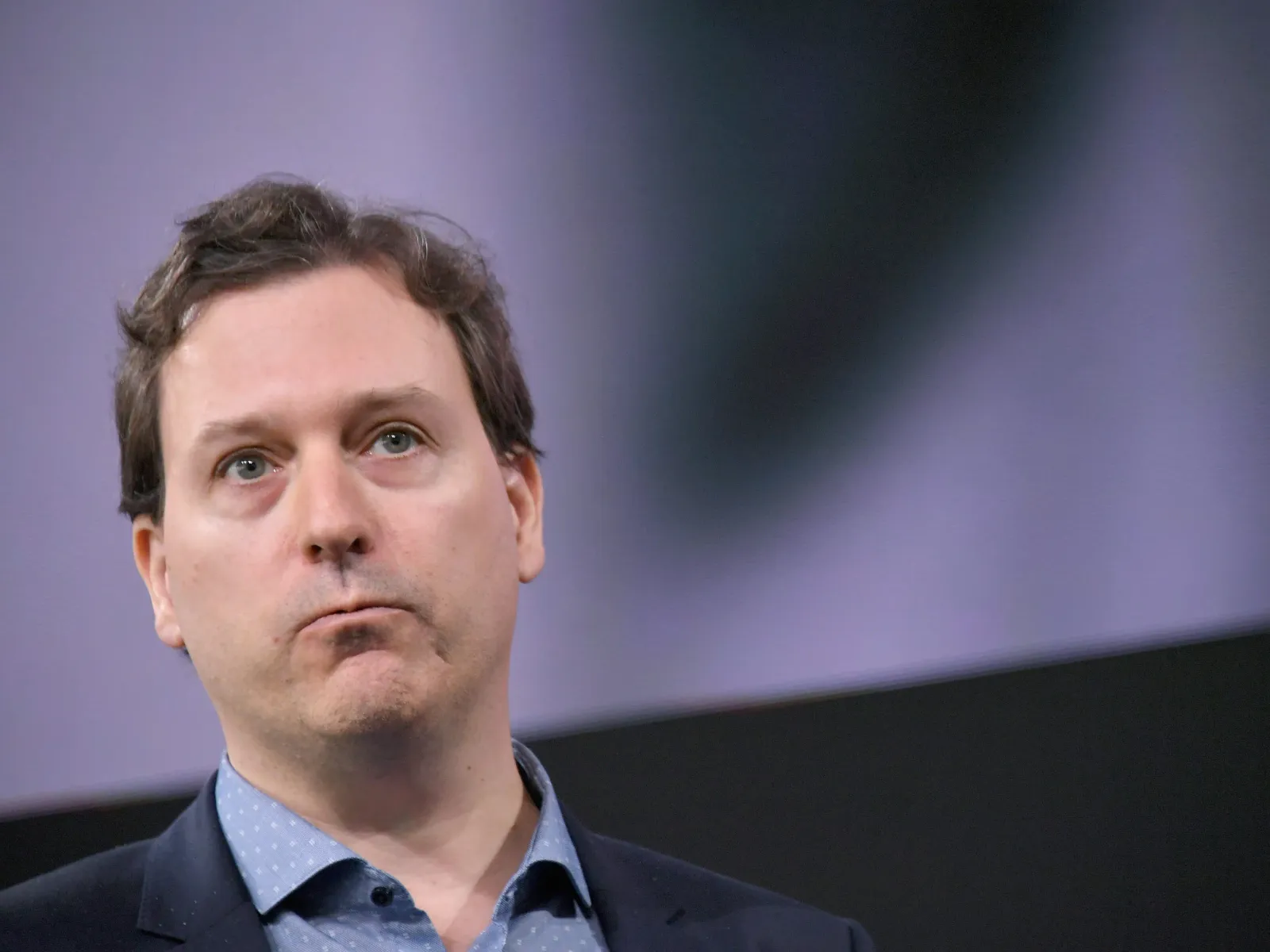
John Carreyrou, the Wall Street Journal reporter who exposed Theranos, praised the new Elizabeth Holmes documentary as art but insisted it must not be confused with the facts of her fraud. For decision-makers, the exchange is a reminder that compelling narratives are not substitutes for verified evidence, and that whistleblower accounts remain the bedrock of accountability.
John Carreyrou, the Wall Street Journal reporter whose investigation brought down Theranos, has seen the new Elizabeth Holmes documentary "You Can See Everything" twice, and he loves it as a piece of art. But he has a warning for audiences: don't mistake that art for the facts.
In an interview with Business Insider, Carreyrou said the film is "a great piece of art, but let's not confuse that art with the underlying facts." The comment comes as he pushes back on critics who accuse him of "missing the point," the idea that Holmes is unknowable and everything is ambiguous. His rebuttal is blunt: "She went after Tyler Shultz and Erika Cheung with everything she had. I was threatened with litigation on a daily basis for months on end. It was a ruthless cover-up of a breathtaking fraud, and she was at the controls."
The documentary, co-directed by Nathan Fielder and Lance Oppenheim, follows Holmes in the 34 days before she reported to federal prison in 2023. It does not retrace every detail of the Theranos scandal or the reporting that exposed it. Instead, it puts viewers inside Holmes' home as she insists she was wrongly convicted. The film has drawn reactions ranging from shock to boredom to sympathy for Holmes, and Carreyrou doesn't see that ambiguity.
Carreyrou also reposted a Monday morning interview with Tyler Shultz, one of the whistleblowers at the center of his 2015 story. Shultz said Holmes "knows that she did something wrong," and alleged that during the film she brought out a different device when asked to show Theranos' hardware. That detail matters because the core of the fraud was a device that didn't work as advertised.
For audiences who want the full account, Carreyrou points to his book. He told Business Insider that if viewers "have questions afterward or want more context about the Theranos saga, I would encourage them to read my book." He ended his X post by saying he "loved the film" and gave a nod to its early Oscar buzz: "#BestPicture, IMO."
The clash between art and facts is more than a film-critic debate. For founders, investors, and board members, it's a reminder that compelling narratives, whether in a documentary, a pitch deck, or a founder's apology tour, are not substitutes for verified evidence. Theranos' story collapsed under scrutiny. The documentary's sympathetic framing, however artful, does not change the underlying record: a ruthless cover-up, daily litigation threats, and a device that didn't work.
For decision-makers, the lesson is about information hygiene. When a high-profile figure is the subject of a sympathetic retelling, the temptation is to let the narrative soften the facts. Carreyrou's insistence on separating art from evidence is a useful discipline. Boards and investors should ask: What are the primary sources? What did whistleblowers say at the time? What did the regulatory filings show? The documentary may win Oscars, but it won't change the court record.
The episode also highlights the power of whistleblowers and the cost of silencing them. Shultz and Cheung faced retaliation from Holmes and Theranos, yet their accounts were central to the truth. For executives, the takeaway is clear: protect and listen to internal voices who raise concerns. The cost of ignoring them can be far greater than the cost of a hard conversation. As Carreyrou put it, the fraud was "breathtaking," and it was only exposed because reporters and whistleblowers refused to let the story be ambiguous.
This story's Key Insights and Take-aways are locked.
Create a free account to unlock Executive Actions for one credit.
Register to UnlockAlways free for Executives Club members. Join the Club
More in Business

Elon Musk unveils a flying car, and SpaceX helped build it
The Tesla CEO's showcase at a SpaceX facility signals a future where road and rocket engineering converge.

Apple's $2,000 iPhone Duo opens preorders, taking on Samsung and Google
Apple's first foldable hits the market at a premium price, reshaping a category Samsung and Google have led.

Pope Leo XIV, first American pope, diagnosed with lung cancer
The 71-year-old Chicago-born pontiff underwent successful surgery on his right lung, and his diagnosis raises new questions about his AI-focused papacy and the Vatican's future.