
Johnny Depp returns as Scrooge with “Ebenezer,” his first major studio film since Amber Heard trial
A new Ti West take on A Christmas Carol reunites Depp with big-studio scale, reigniting questions about brand, risk, and momentum.
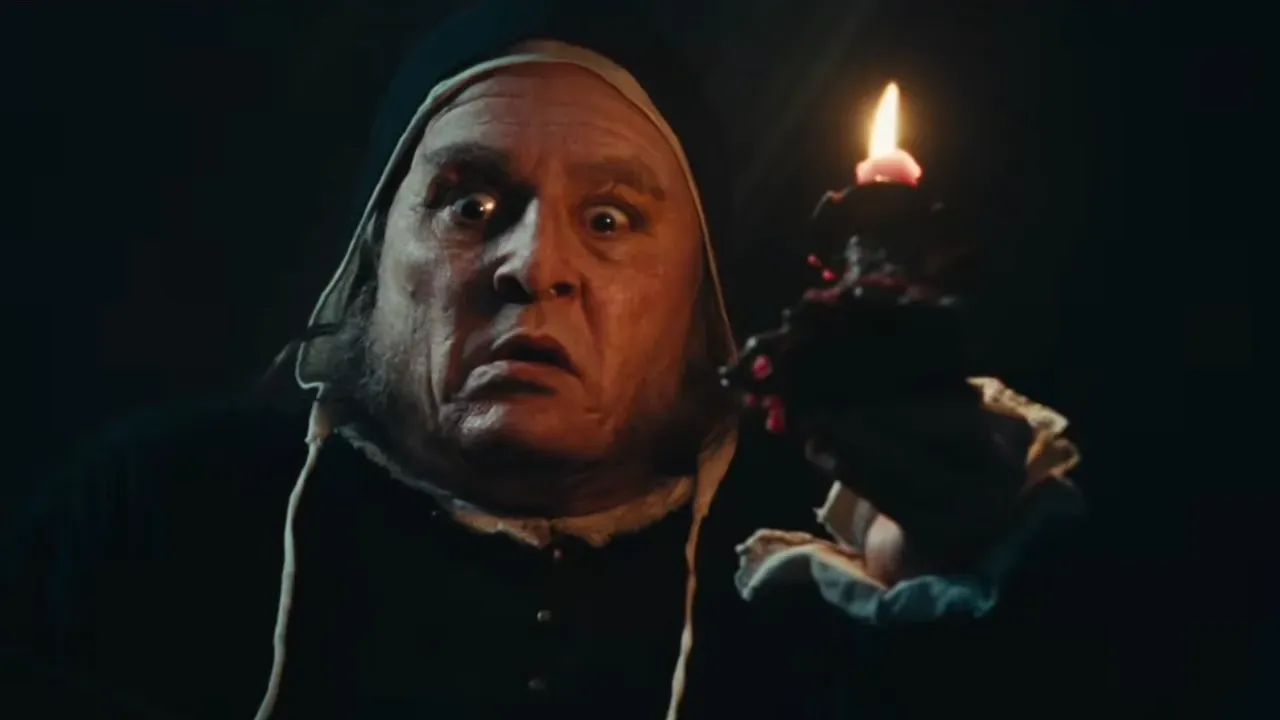
Johnny Depp headlines Ebenezer, a new take on Charles Dickens' A Christmas Carol directed by Ti West (X trilogy) and released via Paramount Pictures. The film is Depp's first major studio project since his multi-year civil legal battle with Amber Heard over allegations of domestic abuse.
Johnny Depp is back in a big-studio spotlight, and the first major sign comes via a new trailer for Ebenezer, a fresh take on Charles Dickens' A Christmas Carol. The project is directed by filmmaker Ti West, known for the X trilogy, and it is coming from Paramount Pictures. In other words: this is not a small, experimental comeback. It is Depp returning to the kind of mainstream distribution that actually moves careers, budgets, and brand partnerships.
The stakes land even harder because this is Depp's first major studio project since a multi-year civil legal battle with Amber Heard tied to allegations of domestic abuse. That backdrop matters for decision-makers in entertainment and adjacent industries because it turns a film launch into a high-visibility test. Studios do not simply cast actors and hope for the best. They think in risk models, press cycles, and audience perception, because the entertainment business runs on attention, and attention can be a weapon or a liability depending on how the story is framed.
So what is Ebenezer, exactly? It is a new interpretation of A Christmas Carol, taking the classic Dickens character, Scrooge, and filtering him through Ti West's sensibility. West's recent reputation includes the X trilogy, which means the project is likely to lean into a specific kind of tonal confidence rather than trying to blend into generic holiday fare. For executives, that matters because directors become a kind of signal. A distinctive directorial voice can help a studio differentiate a crowded seasonal slate, but it can also intensify scrutiny when a lead actor is already a live wire in public conversation.
Depp's presence also raises a practical question that boards and studio brass have to answer early: how much of the comeback calculus is about art, and how much is about business continuity? The source frames Ebenezer as Depp's first major studio project after the lengthy civil battle with Amber Heard. That implies the legal timeline previously constrained studio willingness to fully commit. Now, Paramount is putting its weight behind the film, which is a loud corporate decision even before audiences see a full performance. For brand-focused stakeholders, the subtext is that the studio believes it can separate the actor's legal history from the film's commercial prospects, or at least manage the risk well enough to justify the investment.
From a regulatory and governance perspective, it is also worth noting what type of legal dispute this was. The source specifies a multi-year civil battle, not a criminal case. Civil disputes generally revolve around legal claims and evidentiary standards that differ from criminal proceedings. For executives, that distinction is not academic. It affects how companies evaluate reputational exposure, because the ongoing public narratives around civil litigation can still influence consumer sentiment, but the legal posture is different from the kind of government action that can trigger certain compliance conversations. In other words: studios may still face reputational turbulence, but the operational compliance triggers might look different.
This is where the second-order implications show up for anyone funding, distributing, or marketing content. When an actor returns to major studio work after a high-profile legal battle, it can shift the bargaining power in the entertainment ecosystem. Talent agents, production companies, and brand partners watch to see whether mainstream platforms will keep awarding opportunities or whether caution will dominate. If Ebenezer moves forward with Paramount backing, it sends a signal that the industry is willing to keep doors open, even when the lead story extends beyond the script.
There is also the creative branding angle. The source notes that Depp is “basically Jack Sparrow as Scrooge.” That comparison matters because it gives the audience a mental shortcut for what kind of performance to expect. Whether viewers love or dislike that overlap, it is still a strategy: leaning on a recognizable persona can help holiday stories punch through crowded attention. For studios, the risk is that typecasting can undermine critical reception or confuse marketing messaging. The upside is that a familiar character energy can shorten the distance between trailer and ticket purchase.
Ultimately, Ebenezer is not just a film trailer moment. It is a stress test for how major studios treat headline-linked talent after prolonged legal controversy, and it shows how quickly the mainstream machine can restart once a project has the right level of institutional support. For peers running film slates, negotiating talent deals, or advising boards, the strategic stake is simple: the next time a company weighs reputational risk against creative and commercial upside, it will look at what Paramount did here. Ebenezer represents a bet that a comeback can be packaged, distributed, and sold at scale, even when the lead actor's public story is still carrying history.
This story's Key Insights and Take-aways are locked.
Create a free account to unlock Executive Actions for one credit.
Register to UnlockAlways free for Executives Club members. Join the Club
More in Entertainment

'It's a Magic Trick': Ballet Experts Say Rosalía's SNL Pose Is Impossible
Three ballet experts tell Rolling Stone Rosalía's gravity-defying SNL stillness shouldn't be possible - and why the debate is now part of the show.

Activision CMO: GTA 6 Will Boost Call of Duty, Not Bury It
Activision's top marketer says Rockstar's blockbuster will drive players back to consoles and into Modern Warfare 4, even as the company admits its recent strategy failed.
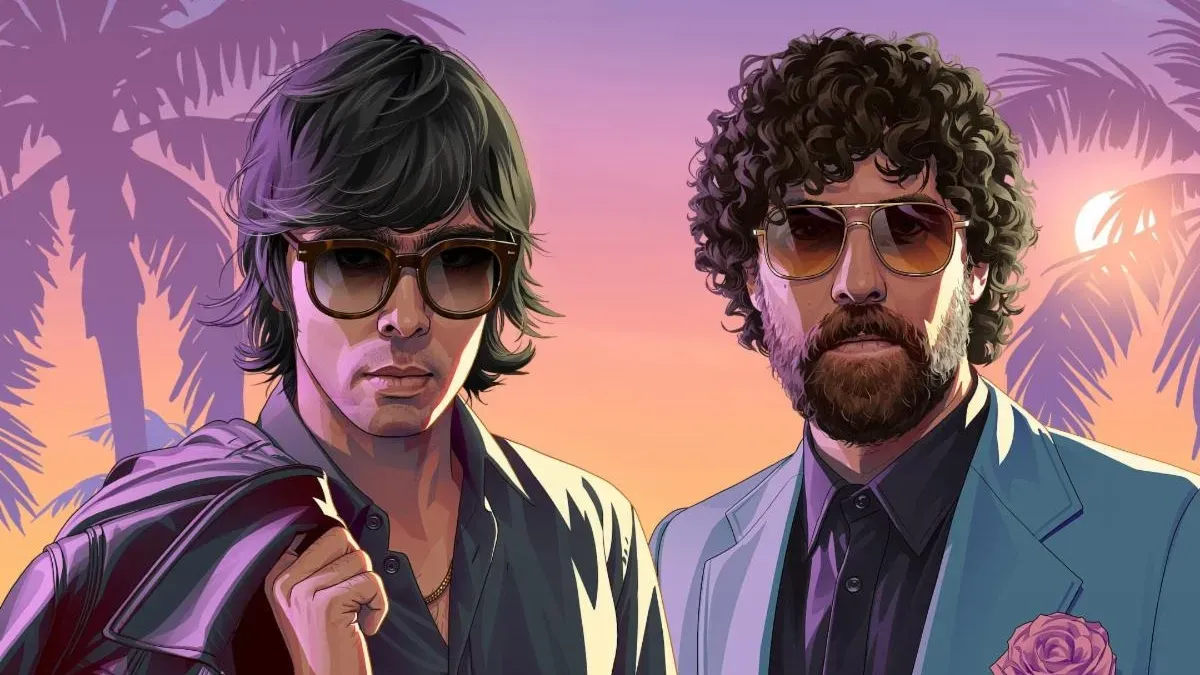
Justice to Score GTA 6, Share New Song with Tame Impala, SZA, King Gizzard
Rockstar taps the French duo for the GTA VI score, and the first taste is a genre-melting collab with Tame Impala, SZA, and King Gizzard & The Lizard Wizard.