

Jonathan Goldstein says Dungeons & Dragons sequel script exists, but financials may stop it
The sequel is written, but the numbers behind making movies are tighter than ever, and the franchise is caught in studio reshuffles.
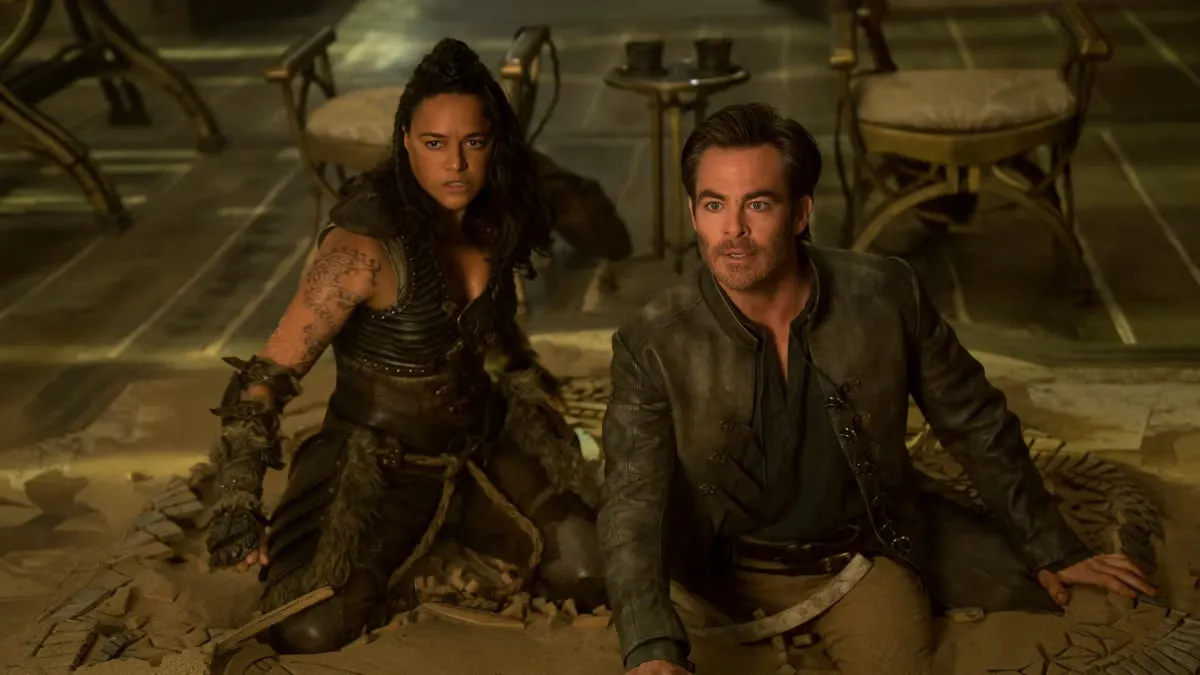
Jonathan Goldstein, co-writer and co-director of Dungeons & Dragons: Honor Among Thieves, says a sequel script is done but may never get produced for financial reasons. For decision-makers, the update is a reminder that even improving reputation and strong fan demand do not automatically beat budget math.
Jonathan Goldstein says the sequel to Dungeons & Dragons: Honor Among Thieves is written, and that he and his co-writer and co-director partner were hired to create it. Speaking to ScreenRant at San Diego Comic-Con on Thursday, Goldstein also made clear the follow-up might still not get made, because he does not know if the project will “see the light of day for a number of financial reasons.”
This is happening despite the fact that Honor Among Thieves came out in March 2023 with strong reviews and a global gross of $205 million, according to the report. The problem, as Goldstein’s comments echo, is the gap between revenue and the production budget: the theatrical total was not enough to recoup the film’s $150 million production budget. In other words, the sequel script can be real and still be hostage to the business case.
For executives, this is the kind of franchise reality check that never disappears. Studios and producers do not just greenlight based on audience love or critical response. They greenlight based on how expensive it is to make “they expensive movies to make,” as Goldstein put it, and whether the risk can be underwritten by expected performance. Even if a property later “continues to find fans” and reputation grows after release, the original economics often linger in the underwriting model and in the risk tolerance of boards, financing partners, and distribution teams.
The movie’s financial performance is also only half the story. The other half is corporate churn, and the source lays out the regime changes that could complicate any sequel path. Paramount, which co-produced and distributed Honor Among Thieves, was acquired by Skydance Media in August 2025. Meanwhile, eOne, described as a former subsidiary of Hasbro that once played a role around the property, was acquired by Lionsgate in December 2023.
Those changes matter because franchises live inside operating structures. Who controls the decision-making, which slate priorities win, and which projects are considered “strategic” can shift when ownership changes. That can affect everything from how aggressively a sequel is pitched to how quickly internal approvals move. It is not that creative teams suddenly stop caring. It is that capital allocation becomes a new language, and the franchise has to compete with whatever the new leadership believes in.
Then there is the streaming angle, which adds another layer of “maybe later” complexity. The source notes that a Dungeons & Dragons live-action series was in development for Paramount+, but the streamer “nixed its plans” in May 2024. The project reportedly found a new home at Netflix in February 2025. For executives, that is a signal about where demand could be monetized, but also a warning that even with the same IP, platform appetite can change quickly. It also raises strategic questions: if series development is shifting, does the company view a film sequel as complementary, or as duplicative spending competing for the same audience attention?
Goldstein’s Comic-Con appearance itself highlights how these projects compete for bandwidth inside entertainment companies. He joined writing and directing partner John Francis Daley to promote their upcoming action-comedy Mayday, starring Ryan Reynolds and Kenneth Branagh, slated to debut on Apple TV on Sept. 4. That timing detail is not just trivia. It shows how talent roadmaps and release calendars work in the real world. When the next slate is already loaded, the sequel has to clear both financial scrutiny and scheduling gravity.
So what should decision-makers take from this? A sequel script can be finished, but the gate can still be the budget. A franchise can have growing long-term momentum, but the initial box office may still shape internal confidence. And corporate shifts in production and distribution partners can turn “we wrote it” into “we will see.” For peers building around IP franchises, the message is blunt: the creative work is only step one. The production math, the ownership map, and the platform strategy can still decide whether fans get the next chapter.
This story's Key Insights and Take-aways are locked.
Create a free account to unlock Executive Actions for one credit.
Register to UnlockAlways free for Executives Club members. Join the Club
More in Entertainment

'It's a Magic Trick': Ballet Experts Say Rosalía's SNL Pose Is Impossible
Three ballet experts tell Rolling Stone Rosalía's gravity-defying SNL stillness shouldn't be possible - and why the debate is now part of the show.

Activision CMO: GTA 6 Will Boost Call of Duty, Not Bury It
Activision's top marketer says Rockstar's blockbuster will drive players back to consoles and into Modern Warfare 4, even as the company admits its recent strategy failed.
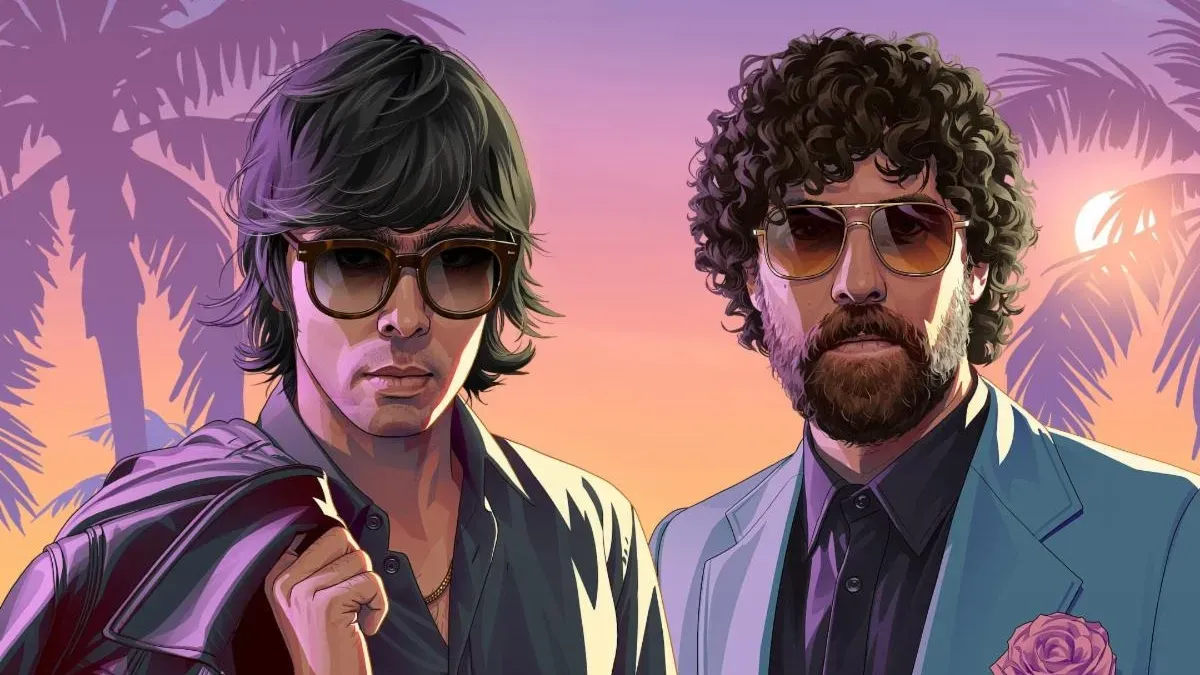
Justice to Score GTA 6, Share New Song with Tame Impala, SZA, King Gizzard
Rockstar taps the French duo for the GTA VI score, and the first taste is a genre-melting collab with Tame Impala, SZA, and King Gizzard & The Lizard Wizard.