
Jordy Veenstra livestreams GTA 5 machinima from scouting to live crash debugging
Watch the behind-the-scenes work inside GTA 5 turn into a real-time debugging session, not a finished highlight reel.
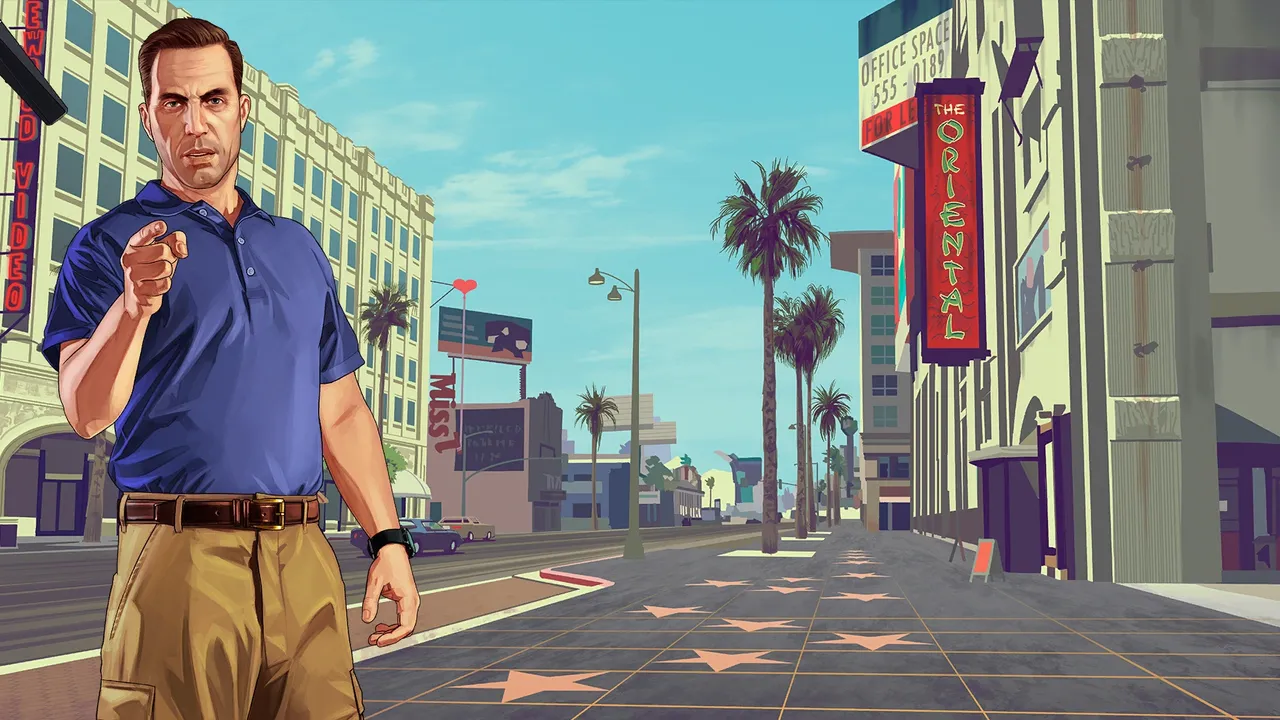
Filmmaker Jordy Veenstra ran a pair of Machinima Dev Streams on YouTube and Twitch, livestreaming GTA 5 machinima production from location scouting and camera planning through live technical troubleshooting. For creators and platform decision-makers, it turns “content” into a stress test of process transparency, toolchains, and audience retention.
Filmmaker Jordy Veenstra is livestreaming GTA 5 machinima production in real time, from location scouting all the way to live debugging when the game crashes mid-stream. He did it through a pair of “Machinima Dev Streams” on YouTube and Twitch, showing viewers not the polished cinematic end result, but the technical and creative mess in between. The key point is blunt: the streams documented the work as it happened, including scene-staging, camera planning, and the inevitable freezes and restarts.
This matters because Veenstra’s whole premise is that the final video only tells half the story. He explicitly framed the streams as a shift away from “sharing and reflecting upon the final cinematic product” and toward documenting the creative process in real time. Viewers could observe how environments were evaluated for more than aesthetics, including symbolism, lighting conditions, narrative intentions, and composition. And then, just when the process sounds controlled, the reality of building inside a live game engine kicks in, with the game freezing or crashing and forcing a restart mid-stream.
If you have ever watched machinima and assumed the hard part was editing, these streams are a corrective. Veenstra highlighted the less glamorous side of production: the toolchain and the problem-solving. In the stream, he demonstrated tools such as Menyoo and ScriptHookVDotNet while experimenting with staging techniques and in-game programming solutions. Some ideas worked. Others didn’t. That is the rhythm machinima actually follows: try, test, adjust, and accept that the “director” role is partly technical triage.
The streams also make the incentives behind creator platforms feel newly visible. Veenstra said the series emerged from a personal question: after spending countless hours working alone on projects, he wondered whether sharing the creative process would have value. He described what that includes in plain terms: “creative process, lines of thought, hardships, euphoria, bugs/workarounds and other events.” The response has been positive enough that more streams are already being considered. In other words, the audience is not only consuming the output. They are also paying attention to the pipeline.
There is a reason this is interesting well beyond machinima fandom. Real-time creator formats shift the relationship between skill and trust. When production is livestreamed, you cannot fully edit away failures. You have to handle them live, which changes what viewers learn: not just framing tips, but how to diagnose problems under pressure. Veenstra’s own description of the lesson is simple and honest: “Sometimes things don't work the way we want to and we must work around them.” In true machinima fashion, he said the game crashed a few times live on stream or froze in a way that required restarting, “all with live debugging.” That is not just entertainment. It is a live demonstration of operational resilience.
The second-order implication for decision-makers is that process transparency can be a product, not a side effect. When creators show their debugging workflow, they are effectively lowering the “mystery cost” for new participants. That can strengthen communities around specific software and techniques. Veenstra’s example tools, like Menyoo and ScriptHookVDotNet, become part of the narrative, which means audiences may start associating those tools with problem-solving competence. On platform terms, that can improve engagement because viewers stay for outcomes and also stay for the troubleshooting arc.
Looking ahead, Veenstra said future Machinima Dev streams could explore topics ranging from framing and depth-of-field techniques to virtual lighting systems inside VRChat. He also noted that VRChat light shows could be built using DMX protocols commonly found in physical venues. The underlying pattern stays consistent: teach the creative workflow through technical reality, not through a cleaned-up “after” video.
Put it all together and the strategic stakes for peers in creator media are clear. Livestreaming production as it actually happens turns crashes from failure into structure. It reframes technical breakdowns as part of the show, and it makes creative decisions legible. If you run a channel, build creator tooling, invest in creator ecosystems, or manage community platforms, this is a useful signal: audiences can reward authenticity when it is paired with skill, pacing, and a clear process. Veenstra’s streams are a reminder that the fastest way to earn trust in creator culture might not be perfect polish. It might be showing the hands-on work, the testing, and the on-the-fly decisions when reality interrupts the script.
This story's Key Insights and Take-aways are locked.
Create a free account to unlock Executive Actions for one credit.
Register to UnlockAlways free for Executives Club members. Join the Club
More in Entertainment

Russell Brand's accuser 'bewildered and confused' as he denies 7 sex charges
The criminal case against the comedian is a live test of how media companies manage talent risk when serious allegations go public.

'It's a Magic Trick': Ballet Experts Say Rosalía's SNL Pose Is Impossible
Three ballet experts tell Rolling Stone Rosalía's gravity-defying SNL stillness shouldn't be possible - and why the debate is now part of the show.

Activision CMO: GTA 6 Will Boost Call of Duty, Not Bury It
Activision's top marketer says Rockstar's blockbuster will drive players back to consoles and into Modern Warfare 4, even as the company admits its recent strategy failed.