
Joseph Gordon-Levitt denies meeting Peter Thiel after Dialog “secret society” leak
He says he attended two Dialog conferences, but has never spoken with Thiel or his representatives.
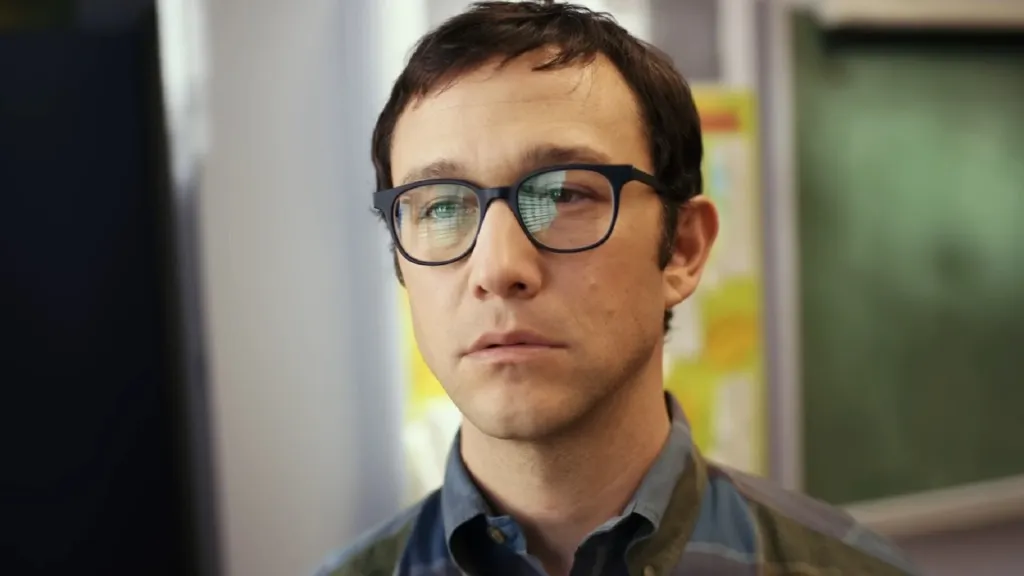
Actor Joseph Gordon-Levitt addressed his inclusion in a leaked list of attendees for Dialog, a Peter Thiel-founded conference group. He says he has attended two Dialog conferences but does not know Peter Thiel and has never met him.
A leaked partial members and attendees list for Dialog, the conference and retreat network co-founded by Peter Thiel, has already triggered the internet’s favorite sport: public confusion. But the most immediate, on-the-record response came from actor and poet Joseph Gordon-Levitt, who used Instagram to clarify what, exactly, his relationship is to the event and to Thiel himself.
Gordon-Levitt’s core claim is blunt. He says he understands why people have questions and why some circulating headlines and posts feel alarming or bizarre. Then he draws a hard line around personal contact: he attended two Dialog conferences, but “I do not know Peter Thiel. I’ve never met him. I’ve never spoken with him or his representatives. I’ve never seen him at an event.” He also adds a political context for the relationship, saying, “From what I’ve read about his views, we are political and ideological opposites.”
So what is Dialog, and why did this leak land with a thud? According to the reporting summarized here, Dialog hosts regular conferences and retreats where movers-and-shakers across tech and entertainment can reportedly have conversations about topics like “Money (Does?) Buy Happiness” and “Build-A-Cult.” The group’s public mystique is part of the point. The leak itself, first amplified by The Hollywood Reporter as it reportedly worked to identify some of the more famous names on the list, turned that mystique into a headline-grabbing controversy and prompted reactions from people listed among its ranks.
Gordon-Levitt’s name is a high-profile example because he is not a typical “behind the scenes” tech figure. He is an actor, but he has also spent recent years addressing public policy and tech-adjacent issues. In the last few years, the source notes, he has spoken to state legislatures about AI, calling out Mark Zuckerberg for choosing “lots and lots of money” over proper safeguards for kids using the technology. He has also spoken at Washington, D.C. events in favor of repealing Section 230 of the Communications Act of 1934, the legal basis for online companies not getting sued into oblivion over third-party content posted on them.
That matters because it gives a plausible incentive story for why someone like Gordon-Levitt might attend a Dialog conference in the first place, even if he says he does not know Thiel personally. Dialog, per the source, is heavily tech oriented and has reportedly included high-profile figures such as Elon Musk among its members. In Gordon-Levitt’s own words on social media, he says he has been focused on making a positive impact on how the future unfolds, especially around tech and AI. He frames part of his approach as building relationships across perspectives, explaining that sometimes it is “productive to engage with those we oppose.” Even if you strip away the mystique, that is the kind of sentence that can sound reassuring or infuriating depending on what you think the group is doing.
And the leak did not just produce “well, I guess this is complicated” responses. Another attendee listed by the reporting, Sophia Bush, took a sharper tone. The source says Bush, the former One Tree Hill star and an anti-deepfakes advocate, wrote that she was surprised to learn a conference she was invited to as a guest who could counter the “it’s-all-progress” narrative of a runaway AI race was founded by someone she “could not pay” to be in a room with. She clarified that the individual was not present, was never brought up during her experience, and that, as she learned later, he has not been involved “whatsoever in approximately 15 years.” Bush added that she wished she had researched the event beforehand, but even if she had, she probably would have gone because she believes having women standing up for women and ringing alarm bells about emerging technology is of paramount importance.
Put these reactions side-by-side and you get a snapshot of how Dialog is being interpreted in real time. One person is emphasizing contact boundaries and ideological mismatch. Another is emphasizing the difference between who founded something and who actually participates today, while still arguing the presence or absence of leadership shapes meaning. Both also point back to a larger theme: in AI and platform policy, “who you share a room with” can matter as much as what you say in it.
For decision-makers watching this, the second-order impact is not just celebrity optics. These kinds of leaked attendee lists can reshape how organizations assess reputational risk, how boards think about community-building, and how policymakers anticipate messaging. If an event positions itself as a bridge between tech and entertainment, it can become a magnet for scrutiny about incentives, influence, and agenda setting. Meanwhile, the backdrop is already politically heated: Gordon-Levitt’s prior public statements involve AI safeguards for kids and Section 230 debates, both of which sit at the intersection of technology, regulation, and public trust.
The strategic stake for peers in adjacent roles is straightforward. If you spend time with tech leadership, regulators, or influential networks, you are never only attending a conversation. You are also participating in a story others will tell about power, ideology, and legitimacy. Gordon-Levitt’s denial that he has met Thiel may reduce one specific question, but it does not eliminate the larger one: whether involvement with a high-signal conference ecosystem changes how people interpret what you stand for, even when you claim ideological distance.
For now, the leak’s most actionable takeaway is that ambiguity is combustible. The moment a list surfaces, your future actions, prior policy positions, and even the founder you say you do not know can all be pulled into the same narrative. And in AI, where trust and governance debates move as fast as product cycles, narrative control is not a PR luxury. It is part of how decisions get made.
This story's Key Insights and Take-aways are locked.
Create a free account to unlock Executive Actions for one credit.
Register to UnlockAlways free for Executives Club members. Join the Club
More in Technology

Nvidia's $89B data center quarter: the 9 companies cashing in
The AI buildout is minting fortunes beyond GPUs, and memory, cloud, and cooling suppliers are riding the same wave.

Google quietly links your phone number to every Android account on your SIM
Adding a SIM now ties your phone number to all Google accounts - and future accounts inherit it. Here's the security and privacy stakes.

Hijacker AI 'Skynet mode' runs 100,000 attack steps against exposed models
Symantec caught a criminal AI agent that borrows other models, steals data, and mines crypto; the only relief is no confirmed victims yet.