
JPMorgan pledges $50B buyback after Fed stress test clears all 32 banks
Fed’s annual stress test leaves large banks standing, and JPMorgan responds with a massive capital return while Goldman lifts dividends.
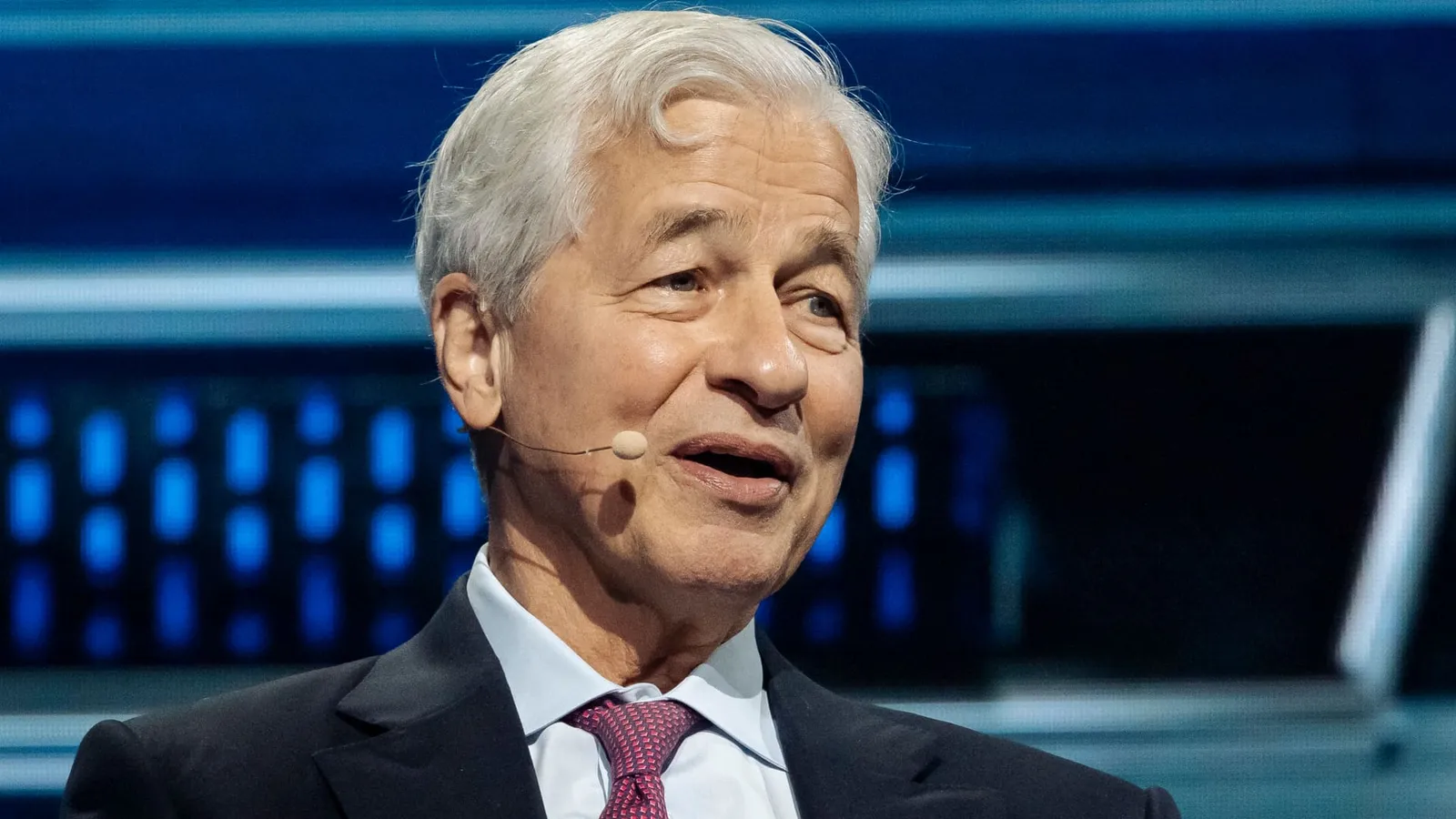
JPMorgan Chase unveiled a $50 billion buyback after the Federal Reserve released its annual stress test results. Goldman Sachs raised its dividend following the same test, signaling to decision-makers that regulators are letting banks push capital back to shareholders.
The Federal Reserve’s annual stress test just handed Wall Street a clean bill of health, and the banks reacted immediately. JPMorgan Chase unveiled a $50 billion buyback, and Goldman Sachs raised its dividend, both after the Fed released results showing that all 32 large banks weathered a hypothetical recession.
That word, “weathered,” is doing a lot of work. In a stress test, regulators run banks through an imagined economic downturn to see whether they still have enough capital to absorb losses and keep lending even when conditions go bad. The Fed’s finding that every one of the 32 large banks passed the scenario matters because it reduces uncertainty about capital constraints. Less uncertainty means boards can be more confident about committing to big shareholder payouts, not just planning for them.
To understand why this is a big deal for executives, you have to zoom out from the headlines to how capital decisions get made. Buybacks and dividend increases are not casual moves. They are signals. They tell investors that management and the board believe the bank has capital to spare after meeting regulatory requirements, funding costs, and the risks embedded in their loan and securities books. When regulators send a message that banks can handle a hypothetical recession, boards typically get the green light to be more aggressive with the timing and size of capital returns.
The Fed’s stress test itself has become a kind of annual punctuation mark for the banking industry. It does not predict the future, but it heavily influences the present. The market watches these results because they shape expectations for how much capital banks can distribute. And the industry watches because the stress test can effectively tighten or loosen the runway for distributions. When the stress test comes back broadly favorable, it is not just a scoreboard update. It is a lever that banks pull through their payout calendars.
For JPMorgan, launching a $50 billion buyback right after the Fed’s release is also a statement about confidence in its capital position. A buyback at that scale is designed to reduce the number of shares outstanding, which can improve per-share metrics, and it can give the stock a support mechanism when investors worry about the macro cycle. The timing is key. Announcing after the stress test results lets JPMorgan align its capital action with the regulatory environment rather than fighting the market’s uncertainty.
Goldman’s dividend raise follows the same logic, but with a different instrument. Dividends are typically viewed as more “stickier” than buybacks, because investors often treat a dividend increase as a longer-term commitment. When Goldman raises its dividend after the Fed stress test shows all 32 large banks can handle the hypothetical recession, it suggests the firm expects that its ability to generate and maintain capital is durable enough to justify a higher baseline payment to shareholders.
Now widen the lens to second-order effects inside banking groups. Once one major player moves, others have to consider whether to match the pace, whether to prioritize their own capital plans, or whether their own risk profile makes similar payouts prudent. Even if other banks do not announce moves on the same day, the direction of travel matters. A market that sees large banks broadly cleared by the regulator can reprice bank stocks, increase tolerance for equity volatility, and encourage boards that were waiting for regulatory certainty to stop waiting.
For decision-makers at banks and for investors underwriting bank equities, the strategic stakes are straightforward: stress-test outcomes are a gating factor for capital distributions. When the Fed says all 32 large banks weathered a hypothetical recession, it removes a major source of doubt and gives boards room to act. In that environment, JPMorgan’s $50 billion buyback and Goldman’s dividend increase are not isolated gestures. They are synchronized capital messages that tell the market regulators are not signaling a near-term capital squeeze, and management teams are willing to translate that into immediate shareholder returns.
This story's Key Insights and Take-aways are locked.
Create a free account to unlock Executive Actions for one credit.
Register to UnlockAlways free for Executives Club members. Join the Club
More in Business

SpaceX sells $25B in debt under two weeks after IPO, despite $90B in orders
The satellite and rocket company’s quick $25 billion borrowing move signals how it plans to finance scale after going public.

Accenture’s $4.18bn play fails as AI fears spark a 20% worst-ever stock plunge
On Thursday, Accenture hit its biggest one-day drop on record after forecasting worries that AI could hollow out consulting.

SpaceX stock jumps 3% after it overtakes Amazon’s market cap
CNBC says SpaceX’s shares surge following its IPO Friday, forcing investors to reprice what “space” and “AI” are worth.