
Judge pauses Paramount- Warner Bros mega merger after 12 states sue
A US court order temporarily halts the deal, giving states leverage while regulators and investors reprice the timeline.
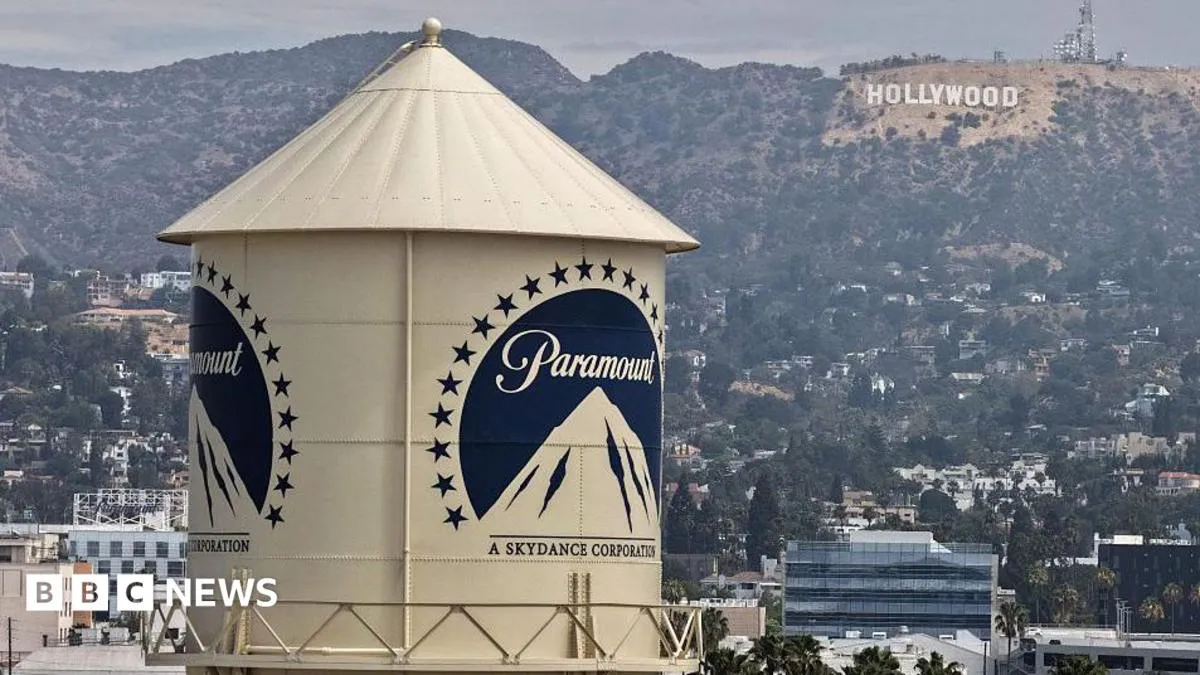
A US judge has temporarily stopped the Paramount and Warner Bros merger after 12 states launched legal action. The pause matters for decision-makers because it injects legal uncertainty, slows integration planning, and increases the chance the deal gets reshaped or delayed.
A US court has temporarily stopped the Paramount and Warner Bros merger after 12 states launched legal action. In plain terms: the deal is not just “under review.” It is paused by a judge, meaning the parties cannot simply ride out the process and assume the transaction will close on schedule.
That pause is the headline. The consequence is what executives should actually care about: timing, deal structure, and leverage all shift once litigation starts to move from threat to reality. When multiple states sue, you are no longer looking at a normal regulatory calendar. You are dealing with a legal battle that can determine whether regulators will accept the merger at all, and on what conditions, or whether the combination has to be changed or delayed.
To understand why this matters, it helps to remember how these mega-mergers work in the US entertainment and media world. Paramount and Warner Bros are not just content brands. They are platforms, distribution networks, production engines, and negotiating power in advertising, streaming, cable, and licensing. When companies combine, the “efficiencies” argument usually centers on cost synergies and stronger scale to fund programming. But the antitrust counter-argument focuses on reduced competition: fewer independent buyers and sellers, less pressure on pricing, and potential gatekeeping across channels.
The fact that 12 states moved suggests the legal case is broad enough to attract a coalition. In many antitrust fights, states coordinate to show the impact is not limited to one region. That matters for decision-makers because a larger coalition can increase both the perceived seriousness of the challenge and the likelihood that the case will stay in the spotlight across the entire review timeline.
There is also a board and investor reality to the court pause. Executives leading a merger typically build plans around deal certainty: integration roadmaps, systems consolidation, and operating assumptions that only work if closing happens in the expected window. A temporary halt forces those teams into contingency mode. Legal pauses can also affect financing and risk calculations. Even when a deal is not formally canceled, uncertainty can change the discount rate investors apply to future cash flows. It can also influence how counterparties behave, from partners to advertisers and licensing stakeholders who do not want to be caught on the wrong side of a restructuring.
From a regulatory framing perspective, the order underscores how antitrust scrutiny has become a central feature of large media combinations. The entertainment industry already faces intense competitive pressure from streaming, shifting viewer habits, and ongoing content economics. Mega-mergers are often pitched as a way to compete by funding more content and negotiating more effectively. But courts and regulators may see consolidation as creating too much market power, especially in areas like distribution or advertising where leverage can cascade across the value chain. In that environment, a judge stepping in signals the case has enough substance to justify immediate interruption.
For peers, the lesson is not abstract. If you are a CEO, CFO, or board member considering a similar transaction, this is a reminder that state-level legal action can meaningfully alter deal momentum. It also highlights that the “regulatory process” is not a single gate you pass. It is a sequence of risks, and each stage can change leverage. When a court issues a temporary stop, the buyer and seller must treat legal outcomes as part of core financial planning, not a side note.
Strategically, this pause creates a new phase for Paramount and Warner Bros. The parties will need to respond to the litigation and the judge’s order while managing internal expectations and external communications. Meanwhile, investors and partners will watch for signals about whether the deal will be allowed to proceed, whether remedies will be proposed, or whether the combined entity’s path to closing becomes longer and more costly. The stakes are bigger than one transaction, because the market learns every time a court draws a line in a mega-merger. That learning shapes what boards and executives think is “possible” next, and how aggressive deal timelines can be when states coordinate and a judge intervenes.
This story's Key Insights and Take-aways are locked.
Create a free account to unlock Executive Actions for one credit.
Register to UnlockAlways free for Executives Club members. Join the Club
More in Entertainment

12TB Steam 'teraleak' goes beyond Valve: GTA 3, Mafia 2 prototypes exposed
A 12-terabyte dump of Steam data reveals prototypes and builds of third-party classics like GTA 3 and Mafia 2, plus unreleased Valve content, rewriting game history.

LinkedIn's romance problem: 1 in 4 workers say dating on it is fair game
A new survey shows a quarter of U.S. employees treat the professional network as fair game for romance, even as LinkedIn bans it and removes hundreds of thousands of offending posts.

Enhypen's first No. 1 album breaks K-pop's Billboard 200 streak
The K-pop group's 98,000-unit debut tops the chart while Dolly Parton's catalog reentry shows how death reshapes streaming.