
Judges block Trump student loan rule tying forgiveness to employers' illegal purpose
Two federal courts stop new limits that would have cut debt relief for many public service borrowers.
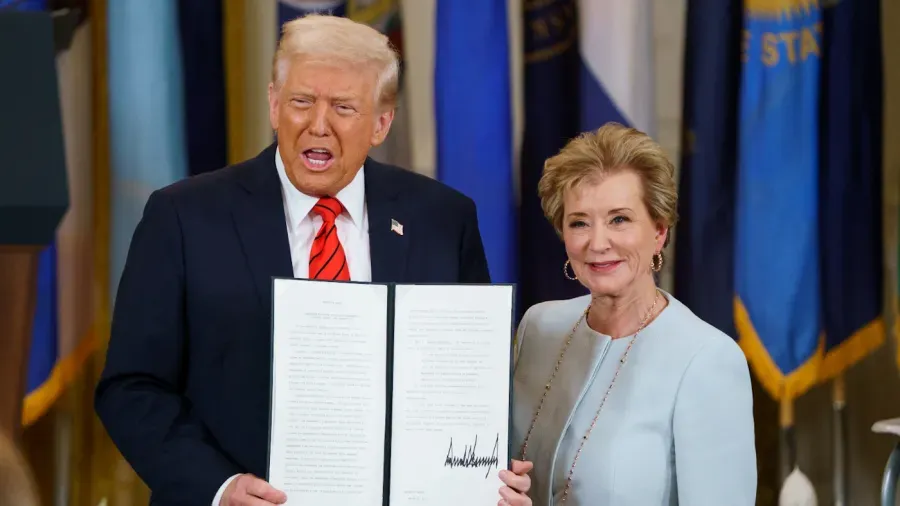
Two federal judges blocked the Trump administration from implementing new restrictions on a student loan forgiveness program tied to whether a borrower’s employer is found to have a “substantial illegal purpose.” The decision, from Biden-appointed judges in Massachusetts and Washington, D.C., prevents the rule from going into effect and reshapes compliance risk for public service employers.
Two federal judges on Tuesday blocked the Trump administration from implementing new restrictions on a student loan forgiveness program that would have barred public service workers from receiving debt relief if their employers are deemed to have a “substantial illegal purpose.” The rulings, issued by Biden-appointed judges in Massachusetts and Washington, D.C., landed with unusual speed and clarity, because they targeted the mechanism the administration wanted to use to narrow eligibility.
Here is the practical impact. Under the blocked approach, borrowers working in public service would have faced forgiveness denials not because of what they did, but because of how the government later characterized their employer’s conduct. By halting that framework, the courts kept the dispute from turning into a new eligibility maze for people who take on public service roles with the expectation that qualifying payments can translate into debt relief.
To understand why this matters beyond student aid headlines, it helps to know what makes student loan forgiveness programs a high-stakes policy lever. These programs are supposed to balance borrower expectations, government budget planning, and the rule of law. The administration’s proposed restriction effectively added a second layer of gatekeeping: even if a borrower met payment and program requirements, their forgiveness could be stopped based on findings about their employer’s intent or conduct. That moves forgiveness from an individualized record to a broader accountability test that can be harder to forecast and slower to resolve.
Courts are often where these policy tensions get adjudicated, because the legal standards for retroactive or eligibility-limiting rules can be strict. In this case, the rulings came from Biden-appointed judges in two separate jurisdictions, in Massachusetts and Washington, D.C. That geographic split matters because it reduces the odds of an easy “wait and implement later” posture. If the same policy is blocked in multiple places, the administration’s options shrink, and borrowers and employers plan around the reality of what courts allow rather than what regulators announce.
There is also an incentive story here, and it is not just for borrowers. Public service employers often work with contractors, nonprofits, municipalities, and other entities where compliance systems can vary dramatically. The blocked standard would have pushed institutions to think about not only whether they are operating within the law, but also whether a future court or agency could interpret their purpose as “substantial” and “illegal.” That is a high bar, but the bigger issue is uncertainty. When a rule makes eligibility depend on a broad intent finding, the compliance conversation shifts from “are we following the rules today” to “can we survive a later narrative about our purpose.”
From a governance perspective, this is the kind of external risk that can seep into board agendas. Boards and executives typically track litigation exposure, regulatory scrutiny, and policy volatility as separate tracks. Student loan forgiveness rules tie those tracks together in a new way: even if your organization is not a borrower, your legal characterization could affect the financial outcomes of staff who rely on forgiveness.
Second-order effects also show up in how organizations structure communications and documentation. If eligibility turns on an employer’s “substantial illegal purpose,” then internal records, policies, training, and enforcement decisions become part of a potential future eligibility dispute. Employers might invest more heavily in compliance auditing and legal review, even when they are already doing the basics, simply because the consequences of being wrong would be borne by people who work for them. The court’s block interrupts that “anticipatory tightening” before it becomes a new norm.
Finally, for policymakers and peer institutions, the decision is a warning about rulemaking that changes eligibility through broad conduct-based tests. Courts can view such restrictions as overreaching if they strain legal authority or undermine program intent. That means future attempts to narrow student forgiveness eligibility may face more rigorous judicial scrutiny, especially when the change is designed to attach eligibility to external findings rather than borrower-specific criteria.
Strategically, executives and boards at public service organizations should treat this ruling as a reminder that student loan forgiveness policy is not static. It can shift quickly, and courts can swing the direction just as fast. For leaders, the winning move is to build compliance and documentation practices that hold up under scrutiny now, because tomorrow’s eligibility requirements can become today’s litigation risk, and vice versa.
This story's Key Insights and Take-aways are locked.
Create a free account to unlock Executive Actions for one credit.
Register to UnlockAlways free for Executives Club members. Join the Club
More in Politics

Glacial collapse, not rain, killed 180 in Nepal's Himalayan flood
The Himalaya's extreme geography hid the true cause of Nepal's catastrophic flood, a glacial collapse that turned a geological battleground into a mass-casualty zone.

Iran’s Esmail Baghaei says Oman talks start shipping via Hormuz, not US talks yet
Temporary route plans with Oman aim to restart commerce while Tehran says Washington dialogue is not on the table.
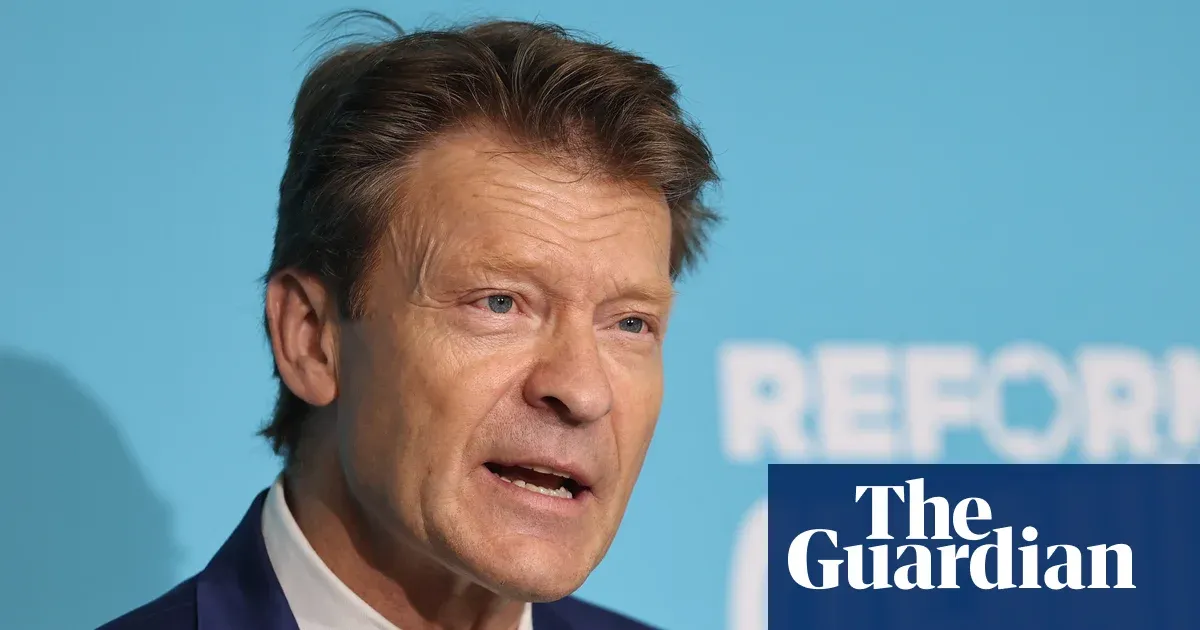
Standards watchdog opens probe into Reform UK deputy leader Richard Tice over interests
The parliamentary standards commissioner says it began an investigation on 28 July into a possible undeclared interest.