
Julius Avery locks in to direct 20th Century’s snake survival thriller, Crush
The Overlord and The Pope’s Exorcist director steps in, reviving momentum on 20th’s spec purchase from last fall.
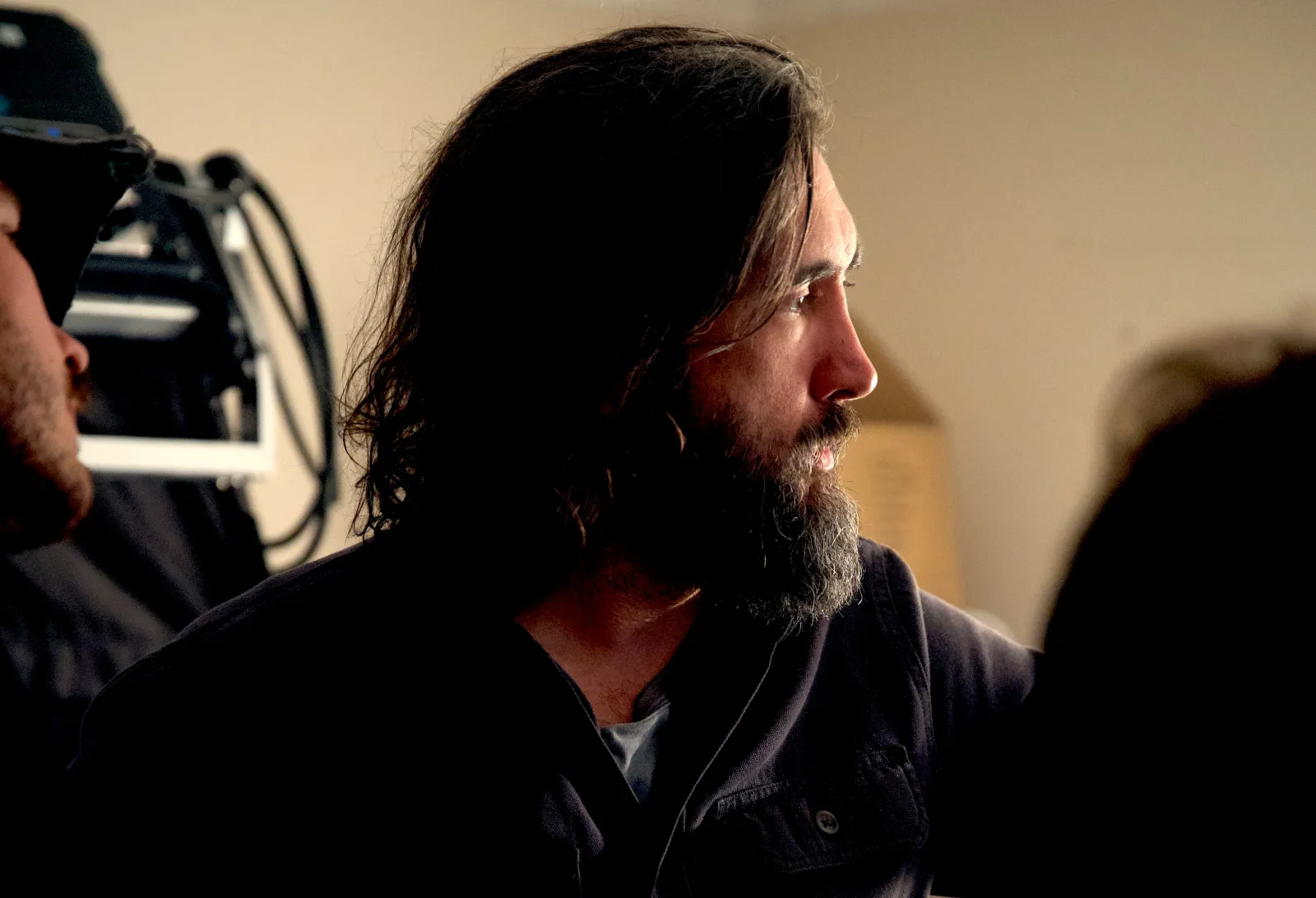
Julius Avery, the Australian genre filmmaker behind Overlord and The Pope’s Exorcist, is set to direct the snake-themed survival thriller Crush for 20th Century Studios. The update is the project’s first major development since 20th snapped up a hot spec from Temple Hill executive John Fischer.
Julius Avery is set to direct Crush, the snake-themed survival thriller at 20th Century Studios. If you have been tracking this project since last fall, this is the first big signal that the studio is turning a purchased spec into something real, not just keeping it warm on a shelf.
A quick recap of the runway matters here. Deadline reports that 20th Century snapped up the “hot spec” last fall from current Temple Hill executive John Fischer. Now Avery, known for directing Overlord and The Pope’s Exorcist, is stepping in as director. That matters because a studio moving from concept to execution typically needs a coherent creative engine, and a director who has already proven they can deliver genre at scale is the cleanest way to convert “interesting idea” into production momentum.
For decision-makers, this kind of announcement is less about cinematic destiny and more about risk management. Genre projects often live or die on tension, pacing, and practical problem solving, not on world-building spreadsheets. When a studio assigns a director with a track record in the genre lane, it reduces a chunk of the uncertainty that comes with hiring unknown creative teams late in the process. Put differently: this is how you take a spec that sounded great in a pitch room and start treating it like a slate commitment.
There is also an industry incentive angle worth watching. 20th Century Studios is not acting in a vacuum. Titles in the “survival thriller” orbit are competing for attention in theaters, streaming, and the broader content conversation, where audiences respond to novelty but punish confusion. A snake-themed premise is inherently visual and easy to market, but it also has very specific execution demands. You need suspense that builds, set pieces that land, and a tone that can swing between credible threat and watchable entertainment. Avery’s previous genre work is the signal the studio is leaning on to make that balance feel earned.
The involvement of John Fischer, via Temple Hill, is another second-order detail executives should notice. Deadline frames Fischer as the person tied to the spec purchase: 20th snapped it up from him last fall, and now the project has found its director. That sequence has implications for deal dynamics. In many financing and development structures, the party who originated the spec often gains leverage as the project advances. Even without new numbers or contractual details in the report, the strategic pattern is clear: early buyers want to secure a pipeline, while creators and development executives want to see that pipeline accelerate into a stage where they can negotiate better terms, attach talent, and keep the project from stalling.
Now, to the broader “why now” context. A project getting its first meaningful development step after a spec purchase is a common checkpoint. Studios and producers are balancing schedules, talent availability, and internal priorities. When a director with known availability comes onto the board, it often indicates the project is moving closer to production planning, where budgets and marketing frameworks start to solidify. That is where studios feel pressure to avoid sunk-cost drift, because creative changes can ripple into casting, effects, insurance, and production timelines.
Even though this report does not include regulatory specifics, the survival thriller category naturally comes with operational constraints that studios must handle long before cameras roll, especially when the premise includes live-animal elements in many productions of this kind. The practical reality of filming dangerous-set scenarios pushes studios to think early about safety protocols, permits, and production oversight. Getting a director locked is one of the first moves that helps align creative ambition with what production can actually execute.
Second-order implications for peers are straightforward. If you are a studio executive, producer, or board member watching the slate, this announcement is a reminder that development momentum is not a vibe, it is a sequence of attachments: spec acquisition, creative leadership, then production scaffolding. Crush having Avery attached reduces the “will it happen?” noise and increases the likelihood that internal stakeholders will treat the project as more than a placeholder. For anyone building or underwriting genre content, the strategic stakes are simple: the sooner you turn a promising premise into a directed, actionable plan, the sooner you can plan around costs, talent, and market timing. And in an attention economy where the calendar is unforgiving, speed is a competitive advantage.
This story's Key Insights and Take-aways are locked.
Create a free account to unlock Executive Actions for one credit.
Register to UnlockAlways free for Executives Club members. Join the Club
More in Entertainment

12TB Steam 'teraleak' goes beyond Valve: GTA 3, Mafia 2 prototypes exposed
A 12-terabyte dump of Steam data reveals prototypes and builds of third-party classics like GTA 3 and Mafia 2, plus unreleased Valve content, rewriting game history.

LinkedIn's romance problem: 1 in 4 workers say dating on it is fair game
A new survey shows a quarter of U.S. employees treat the professional network as fair game for romance, even as LinkedIn bans it and removes hundreds of thousands of offending posts.

Enhypen's first No. 1 album breaks K-pop's Billboard 200 streak
The K-pop group's 98,000-unit debut tops the chart while Dolly Parton's catalog reentry shows how death reshapes streaming.