
June 2026 black box on Ozempic thyroid risk clashes with new cancer hype
Evidence is mixed, timing and comparisons can mislead, and randomized trials are still too short.
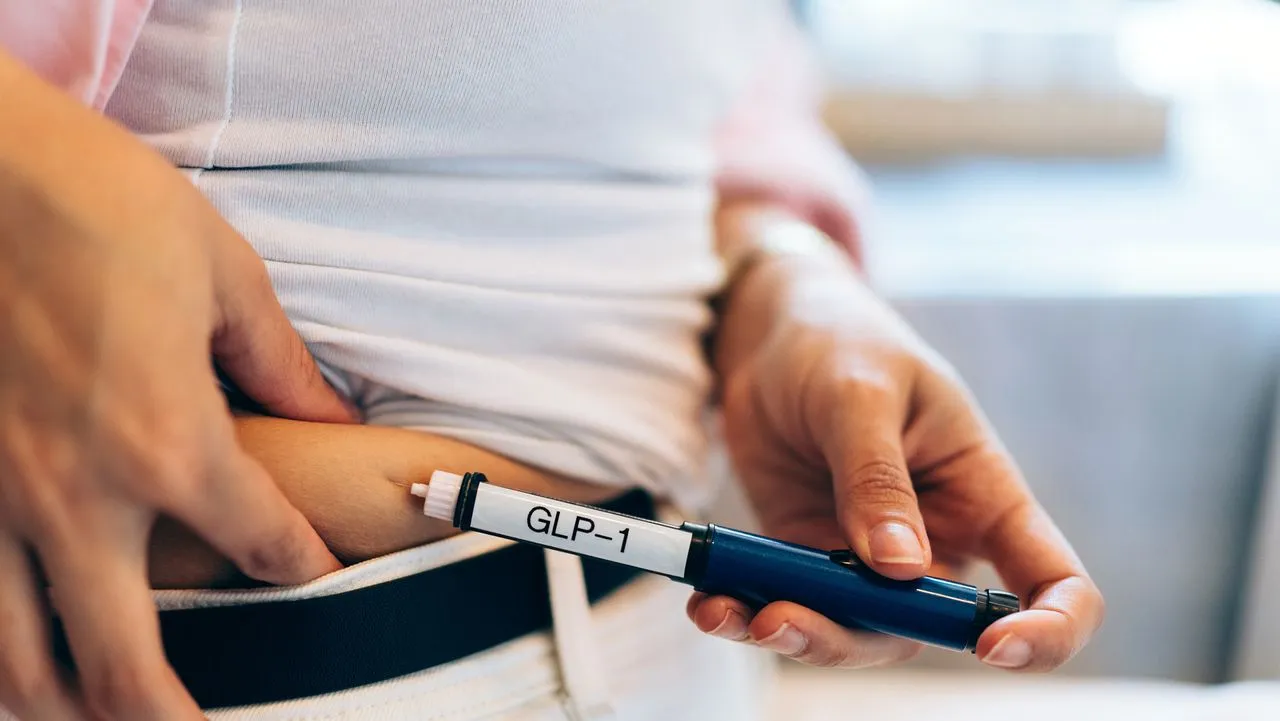
In June 2026, U.S. regulators added a black box warning for Ozempic tied to thyroid cancer concerns from rodent studies. The consequence for executives and investors: today’s cancer “prevention” headlines are moving faster than the evidence can support.
Ozempic got a U.S. black box warning in June 2026 over thyroid cancer concerns, and now it is also being pitched as a possible cancer prevention drug. The tension is the point. Excitement around GLP-1 drugs and cancer is running well ahead of the evidence, an expert cautions, and the reason is not that researchers are ignoring data. It is that cancer is a brutal outcome to study, and the ways these studies are designed make the signal easy to overread.
Cancer is not one disease. It is more than a hundred. Breast cancer, lung cancer, and blood cancers each have distinct biology and their own mix of genetic, environmental, and behavioral risks. That means you do not get one verdict on a drug. You get a hundred, and they can look contradictory: risk goes up for some cancers, down for others, and most may not move at all. So when headlines jump from “cancer risk” to “cancer prevention,” the mismatch between complexity and messaging becomes a headline machine.
Before the new buzz, the worry ran in the opposite direction. Researchers were originally concerned about thyroid cancer. In rodent studies, Ozempic caused thyroid C cell tumors, which is why U.S. regulators added that June 2026 black box warning advising against its use among those with a personal or family history of related conditions. The expert’s key point is that rodent findings do not automatically translate to humans. Human thyroid C cells are less sensitive to GLP-1 drugs compared to rodent C cells because they have far fewer GLP-1 receptors. Long-term studies in monkeys also did not show the same abnormal thyroid cell growth seen in rodents. A 2025 analysis of data from 93 clinical trials found no clear link between taking certain GLP-1 drugs and thyroid cancer, and European regulators reached the same conclusion in 2023 after reviewing available research on GLP-1s. Reassurance exists, but it is provisional, because these drugs are young and cancer can take decades to surface.
Now flip to the other side of the narrative: several studies suggest GLP-1 drugs might reduce cancer rates and, in some cases, cancer death. A 2024 study of more than 1.6 million people with Type 2 diabetes found lower rates of 10 out of 13 obesity-related cancers in people treated with a GLP-1 drug compared to insulin. A 2025 study of about 87,000 adults found overall cancer rates among those who started a GLP-1 drug were roughly 17% lower, with clearest reductions in endometrial and ovarian cancers and a type of brain cancer called meningioma. Kidney cancer was a different story: risk was 38% higher among patients taking GLP-1 drugs, though larger studies are needed to confirm the significance. A 2026 study of more than 110,000 women undergoing breast imaging found a roughly 30% lower risk of breast cancer among those who use GLP-1 drugs compared to those who do not.
There is also survival data in the mix. Among more than 6,800 colon cancer patients in a 2024 study, around 16% of the 103 on a GLP-1 drug died within five years compared to 37% of those who were not taking one. A study presented at the 2026 American Society of Clinical Oncology reported a 34% lower risk of death across six cancer types for those taking GLP-1 drugs. Put simply: there are findings worth investigating, and investors are not wrong to pay attention. But executives should also recognize how easy it is to confuse “interesting association” with “proved prevention,” especially when study design stacks the deck.
The expert flags three specific reasons the evidence is easy to misread. First is healthy user bias. People who start a GLP-1 drug tend to be healthier and wealthier than those who do not. Someone with obesity who has insurance, sees doctors regularly, and can afford Ozempic is more likely to start the drug than someone with the same height and weight who lacks those advantages. Those same advantages can lower cancer risk independent of the medication, and observational studies are very hard to scrub of that.
Second is the choice of comparison drug. It matters a lot what you compare against. The 2024 study reported large reductions in cancer risk when comparing GLP-1 users to insulin users. But when GLP-1 users were compared to patients taking metformin, there was no clear reduction in cancer risk. Insulin is reserved for patients with more advanced diabetes, which is itself a cancer risk factor. If you measure against a group at higher baseline risk, almost anything can look protective, and the apparent benefit may be driven by the comparison drug, not the GLP-1.
Third is timing. Cancer can take decades to develop, but most GLP-1 studies follow people for only a handful of years. Prevention should show effects gradually, as fewer tumors surface over time, not within the first few months of treatment. If cancer risk appears to drop almost immediately after starting treatment, that speed is not a magical triumph. It is a tell that people who start the drugs may already have been at lower cancer risk.
Finally, there is the global generalizability problem. Much of the research comes from a handful of high-income countries, even as uptake of these drugs is increasing globally and the burden of cancer has grown disproportionately in lower-income countries. The idea that GLP-1s may reduce cancer risk “for much of the world” is being inferred from data generated almost entirely in richer settings. That gap between where evidence is produced and where it is applied is exactly where real-world policy and commercialization can stumble.
So what do randomized trials show, where biases are reduced by design? The cleanest way around observational biases is randomized trials. But available clinical trials are limited. Two 2025 meta-analyses, pooling data from multiple studies, found little evidence that GLP-1 drugs either raise or lower cancer risk. One meta-analysis covered 50 trials, the second covered 48. The expert notes that randomized-trial meta-analyses are generally more reliable than observational studies because they increase statistical power by combining data. Still, those analyses inherit a major limitation: most trials had short follow-up of one to two years and recorded too few cancer cases to settle the question. Trials designed to definitively answer whether GLP-1 drugs affect cancer risk would need tens of thousands of participants and many years of follow-up.
The bottom line is not a dismissal. It is a boundary. The idea that GLP-1 drugs lower cancer risk is a hypothesis worth testing but not a conclusion to act on. For executives tracking adjacent opportunities in drug development, diagnostics, and payer strategy, the strategic stake is clear: market narratives are racing, regulators are balancing earlier animal signals with human trial data, and the cleanest evidence still lacks the time horizon cancer demands.
This story's Key Insights and Take-aways are locked.
Create a free account to unlock Executive Actions for one credit.
Register to UnlockAlways free for Executives Club members. Join the Club
More in Science

Alaska's 1,580-foot tsunami had warning signs. Scientists just found them.
Rapid glacier retreat, heavy rainfall, and thousands of tiny tremors preceded Alaska's 1,580-foot tsunami, a warning for every coastal community in a warming world.

The rare mutation that lets high-risk brains dodge Alzheimer's
Scientists found a natural defense against protein buildup, opening a new path to preventive treatments.

3,000 steps a day may halve Alzheimer's decline, study finds
New research links a modest daily walk to less tau buildup and nearly half the cognitive and functional decline, even for those with early signs.