

Jungkook doorbell fan rang it 133 times; Seoul court orders possible deportation
A Brazilian woman gets a suspended prison term in South Korea after repeated visits, letters, and 133 doorbell rings.
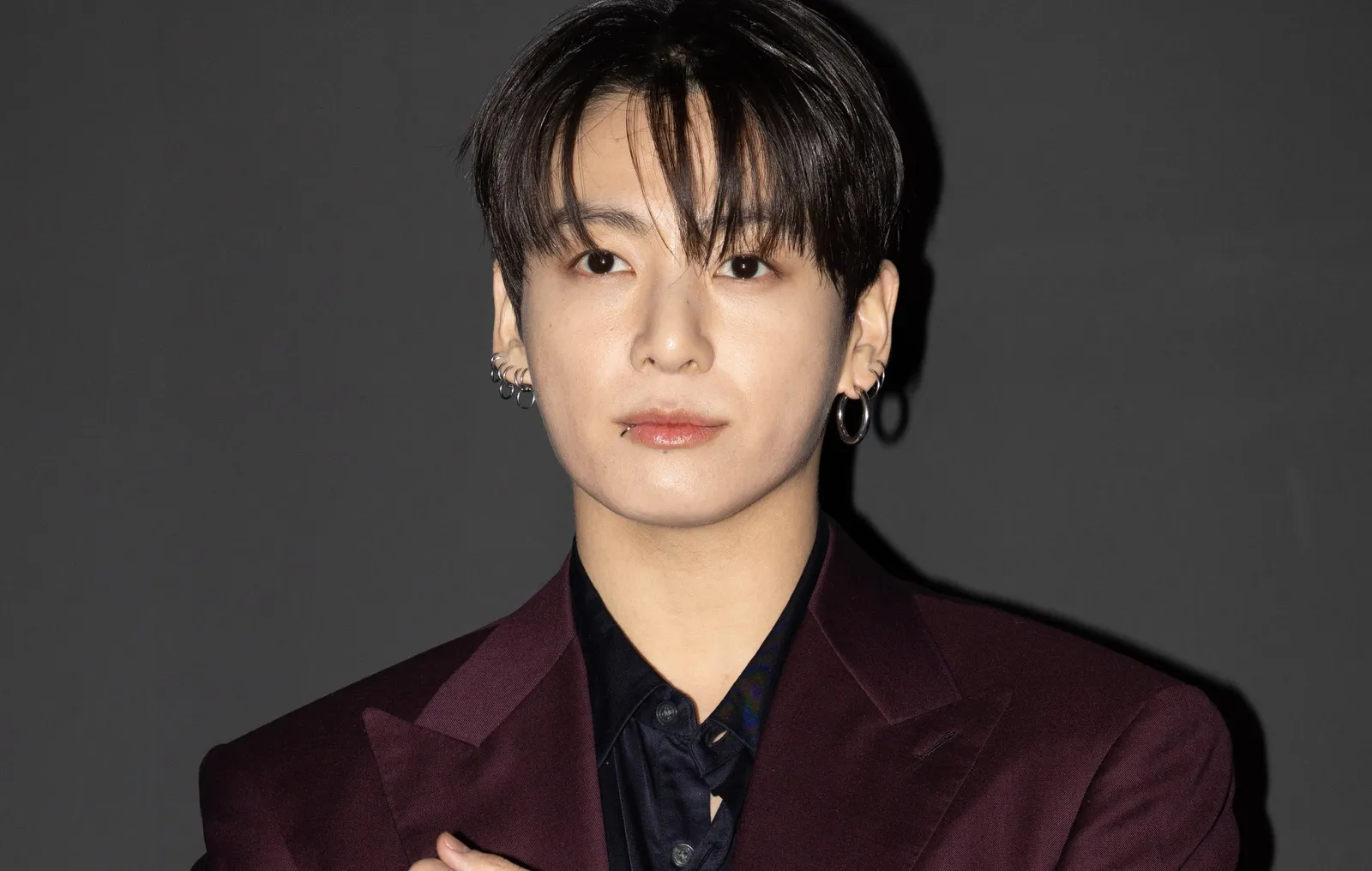
A Seoul district court sentenced a Brazilian BTS fan to one year in prison, suspended for two years, for repeatedly visiting Jungkook’s home and ringing the doorbell 133 times. Decision-makers tied to global fan ecosystems should treat this as a regulatory and reputational risk signal, not a celebrity side-plot.
A Brazilian BTS fan allegedly rang Jungkook’s doorbell 133 times in just days, then kept showing up anyway, despite warnings. This week, a district court in Seoul sentenced her to one year in prison suspended for two years, and prosecutors are also moving toward deportation from South Korea.
The court framed the behavior as more than persistence. Court documents say she loitered, threw items over the wall, and delivered letters through door gaps after first visiting Jungkook’s property in December 2025, then returned again and rang the doorbell 133 times, an act the court said showed an "extreme level of obsession" (as per BBC). The deportation element can be overturned if she successfully appeals the verdict.
For executives, this is a useful reality check on how quickly celebrity-fueled attention can shift from “fan behavior” into a law enforcement and immigration problem. The woman, who has not been identified, first started stalking Jungkook in December 2025. She claimed she tried to leave letters and photographs at the doorstop “out of love,” but that narrative did not protect her once authorities established a pattern of repeated visits, intrusion, and ignored warnings.
The mechanics matter because they show why authorities had to escalate. After she first visited the property, she allegedly came back “just days later,” then the pressure increased: she was arrested on December 13 after following a food delivery worker to enter the property through a side gate. She was released the next day following a warning to not visit the property again, but she allegedly ignored that warning.
Police then escalated with an emergency order banning her from coming within a hundred metres of the property. Even that did not stop further visits. In total, she is alleged to have visited the property 22 times. When those attempts continued, police referred her to prosecutors this February, culminating in the Seoul district court’s suspended sentence and the expectation of deportation.
This is not happening in a vacuum. BTS are currently touring and still commanding massive, global live-audience attention, which is exactly the environment where incidents can travel fast. The group performed at Goyang Stadium on the ‘Arirang' world tour on April 11, 2026, and they recently returned to Busan for a two-night stadium concert celebrating their debut anniversary week (June 12 and 13). Those shows marked their first performance in Busan in more than three years, and BTS drew over 110,000 attendees across the two nights at Busan Asiad Main Stadium.
From a risk lens, the story’s timing is telling. Even as BTS hosted ‘BTS World Tour ‘Arirang’ In Busan’ and used big-screen, livestream-style reach, authorities were dealing with physical proximity violations tied to one member. That contrast highlights a second-order implication for boards and operations teams supporting global artists: audience scale and digital reach do not reduce real-world hazards. They can increase them, because attention becomes both wider and harder to manage, especially when someone crosses from admiration into targeted behavior.
South Korea’s approach also carries a clear regulatory signal for anyone building K-pop adjacent experiences, whether that means venues, ticketing partners, fan platforms, or security vendors. The court outcome described here includes a suspended prison term and expected deportation, with an appeal path that could reverse the deportation. In other words, legal outcomes can be multi-layered. For decision-makers, that means the “headline” resolution may not be the final one, and the immigration consequences may lag behind the criminal finding.
Meanwhile, BTS’s own tour schedule underscores how long the spotlight lasts. The group launched their huge 2026 and 2027 world tour at Goyang Stadium in South Korea and broke out tracks from ‘ARIRANG’ for the first time. The Busan run followed more than 20 shows across seven cities since the tour launch in April, including a world premiere of ‘NORMAL (Korean Ver.)’. They’ve also been playing material connected to the city with ‘Paldogangsan’ and ‘Ma City’ on the first day and tracks like ‘Ddaeng’, ‘Dimple’, and ‘Magic Shop’ on the second night. They held a free concert in Gwanghwamun Square in Seoul that was livestreamed to over 190 countries on Netflix and welcomed roughly 104,000 fans, and there are currently only two UK dates scheduled for July 6 and 7, 2026.
Put simply: BTS are not just a media brand right now. They are a continuously operating, high-attention system with real-world intersections. A fan who allegedly visited 22 times, got arrested after breaching property access, and ultimately faced a suspended sentence with deportation expectations shows how authorities can treat repeated intrusion as escalating wrongdoing, not a misunderstanding. For executives, the strategic stake is to recognize these events as part of the operational risk surface, even when the “entertainment” piece looks like it runs on hype, livestreams, and stadium-scale emotion.
This story's Key Insights and Take-aways are locked.
Create a free account to unlock Executive Actions for one credit.
Register to UnlockAlways free for Executives Club members. Join the Club
More in Entertainment

Russell Brand's accuser 'bewildered and confused' as he denies 7 sex charges
The criminal case against the comedian is a live test of how media companies manage talent risk when serious allegations go public.

'It's a Magic Trick': Ballet Experts Say Rosalía's SNL Pose Is Impossible
Three ballet experts tell Rolling Stone Rosalía's gravity-defying SNL stillness shouldn't be possible - and why the debate is now part of the show.

Activision CMO: GTA 6 Will Boost Call of Duty, Not Bury It
Activision's top marketer says Rockstar's blockbuster will drive players back to consoles and into Modern Warfare 4, even as the company admits its recent strategy failed.