
Justin Bieber joins Madonna, Shakira, and BTS for FIFA World Cup halftime
A pop-culture all-star lineup turns the FIFA final into a global media event, not just a match.
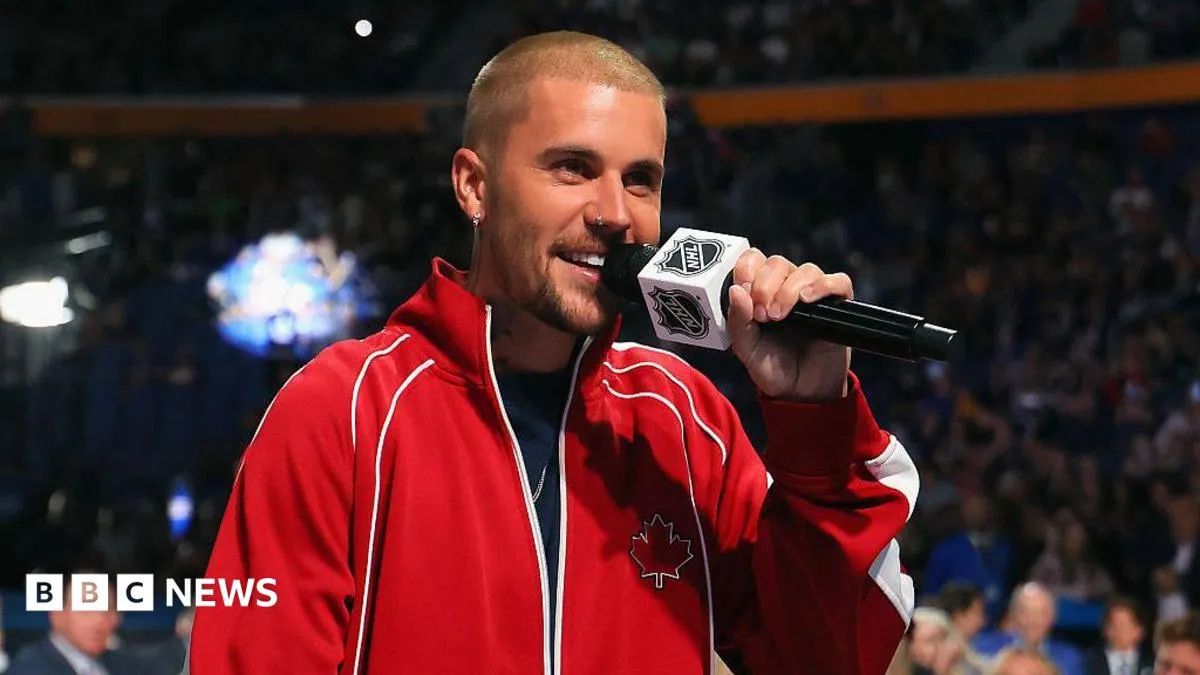
Justin Bieber will join Madonna, Shakira, and BTS for the FIFA World Cup final halftime show, according to BBC News. The lineup signals another major, high-visibility performance for Bieber following his comeback shows at Coachella, with implications for how broadcasters and sponsors treat entertainment as a scoreboard.
Justin Bieber is set to join Madonna, Shakira and BTS for the FIFA World Cup final halftime show, BBC News reports. In other words: the Canadian pop star is stepping into a Super Bowl-style moment alongside some of the biggest names in global music.
The timing matters because this is Bieber’s next major spotlight after his comeback shows at Coachella. That means we are not just looking at a one-off cameo. We are looking at a carefully sequenced return to mass audience attention, and FIFA is leaning hard into the logic that music is part of the spectacle, just like the football.
To understand why this matters beyond pop fandom, it helps to remember what the World Cup is to decision-makers. It is not only a tournament; it is a media distribution machine with international reach, massive broadcast footprints, and sponsor visibility that can dwarf many traditional marketing channels. A halftime show that reads like an awards-show dream team is basically FIFA telling partners: this is a guaranteed global attention grab, with a ready-made audience spanning countries, languages, and age groups.
That also puts the entertainment business in the driver’s seat. Events like this sit at the intersection of talent management, broadcast production, and brand sponsorship. When FIFA stacks the lineup with Madonna, Shakira, BTS and now Bieber, it creates a cross-demographic audience effect. Bieber’s presence, tied to his comeback momentum from Coachella, is a signal that FIFA is not limiting itself to legacy megastars. It is recruiting current cultural gravity, the kind that can convert casual viewers into sustained watchers.
There is also a boardroom angle here. Big sports organizations live under constant scrutiny about optics, content standards, and global audience sensitivities. While the source does not specify any regulatory details, the sheer scale of the World Cup final halftime show means production planning typically has to anticipate broadcaster requirements and country-by-country standards. Executives responsible for media rights, advertising inventory, and brand safety tend to treat high-profile performances as both opportunity and risk. A lineup with multiple top-tier acts can raise the stakes because it increases visibility, but it also tends to reduce uncertainty when each performer is already proven at mass audience moments.
Then there is the talent strategy. For Bieber, following Coachella comeback shows with a FIFA final halftime slot is a straightforward path back to global mainstream visibility. That is second-order important because it reinforces his market position at a time when attention is the most perishable asset in entertainment. In practical terms, returning to a stage with a built-in worldwide audience can keep an artist’s comeback from being limited to weekend festival coverage. Instead, it extends the narrative into a high-signal, event-based viewing window.
For Madonna, Shakira, and BTS, this kind of lineup is also a branding accelerant. When iconic and contemporary superstars share a halftime platform, it tells the market that the event remains relevant across generations and music cultures. For BTS especially, international mega-events are a crucial part of sustaining global reach, and FIFA is effectively packaging that reach into a single halftime block.
For FIFA and its media partners, the strategic stake is simple: halftime is no longer filler. It is a centerpiece. Bieber joining this specific constellation of acts confirms that FIFA is treating the final as a hybrid event where sport and entertainment jointly own the spotlight. If you are a media executive, a sponsor team, or a talent-facing executive, the takeaway is that distribution, not just performance, drives outcomes. And the next question is whether other major sports leagues will copy the model, turning marquee broadcasts into curated, artist-led global spectacles.
This is the same lesson that keeps repeating across live entertainment and big-screen sports: when you control the calendar, the audience follows. FIFA is choosing to capitalize on that fact, and Bieber is clearly chosen to amplify the pull.
This story's Key Insights and Take-aways are locked.
Create a free account to unlock Executive Actions for one credit.
Register to UnlockAlways free for Executives Club members. Join the Club
More in Entertainment

Russell Brand's accuser 'bewildered and confused' as he denies 7 sex charges
The criminal case against the comedian is a live test of how media companies manage talent risk when serious allegations go public.

'It's a Magic Trick': Ballet Experts Say Rosalía's SNL Pose Is Impossible
Three ballet experts tell Rolling Stone Rosalía's gravity-defying SNL stillness shouldn't be possible - and why the debate is now part of the show.

Activision CMO: GTA 6 Will Boost Call of Duty, Not Bury It
Activision's top marketer says Rockstar's blockbuster will drive players back to consoles and into Modern Warfare 4, even as the company admits its recent strategy failed.