

K-fashion and K-pop merch surge in China as Korea-China ties thaw
Nikkei Asia reports more presence for K-fashion and K-pop merchandise in China as bilateral relations ease, shifting retailer and platform bets.
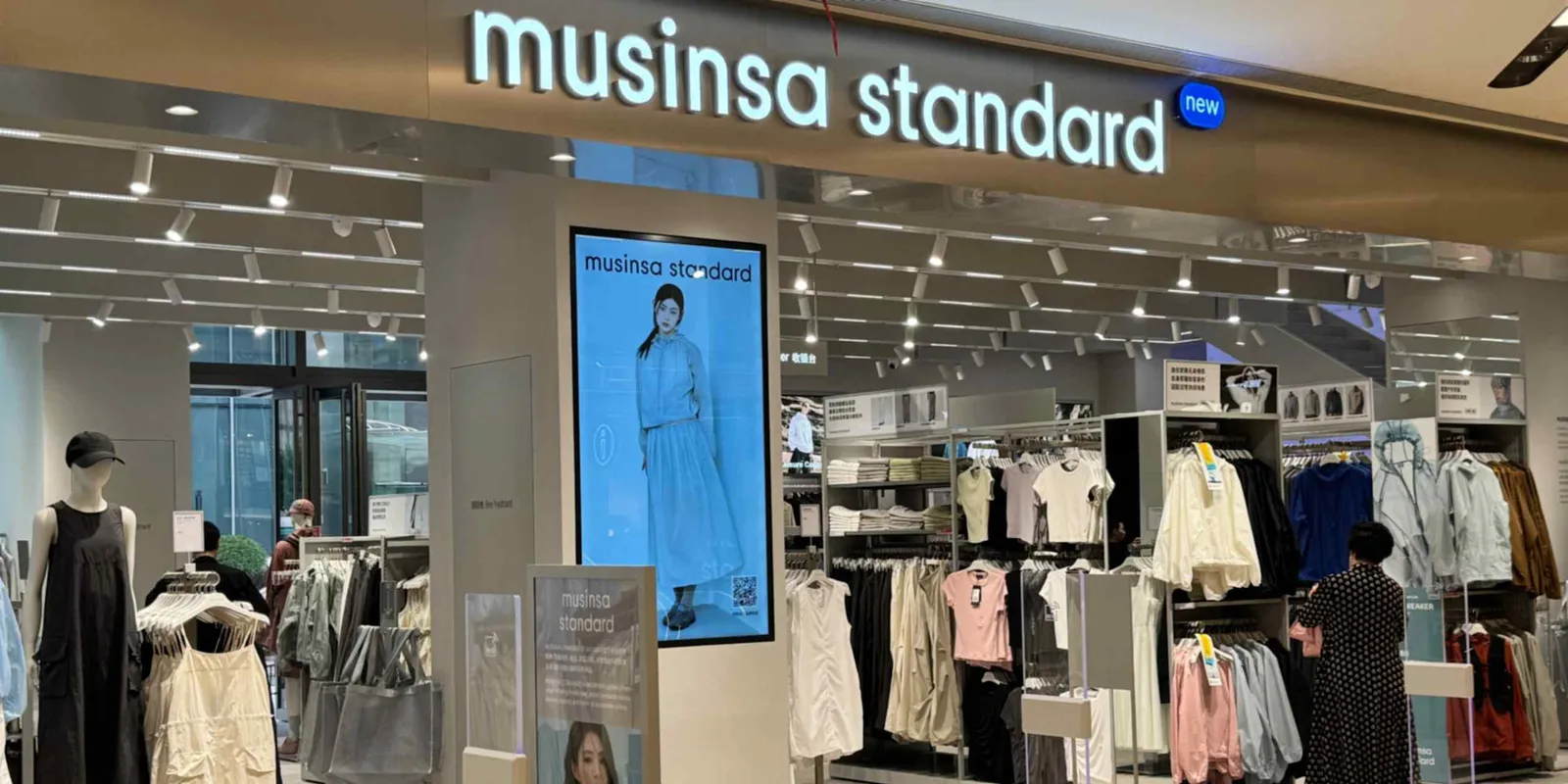
K-fashion and K-pop merch are gaining a stronger presence in China as Korea-China bilateral relations ease, according to Nikkei Asia. The shift matters because it changes how brands and retailers decide where to invest in distribution, partnerships, and compliance.
K-fashion and K-pop merch are quietly but visibly moving into a bigger slice of China’s consumer attention, and the catalyst is geopolitical, not just marketing. Nikkei Asia reports that as Korea-China bilateral relations ease, K-fashion and K-pop merchandise are gaining presence in China. That timing matters. In consumer culture, distribution can look like “trend following,” but cross-border demand is often gated by relationship-level friction. When that friction reduces, the playbook changes fast.
The immediate payoff is straightforward: more K-fashion and K-pop merch are reaching Chinese customers, and the trend has momentum as bilateral relations improve. Nikkei Asia’s framing ties the commercial lift to easing relations, which suggests demand is not occurring in a vacuum. For executives, it means the question is no longer whether Chinese consumers like Korean style and music-related products, but whether the market access and operating friction are improving enough for brands to scale distribution, inventory, and promotion without constantly re-planning.
To understand why this matters, remember how K-commerce typically works across borders. K-pop drives top-of-funnel attention, and merch converts that attention into repeatable purchases: albums, limited items, themed collections, and fashion-linked accessories. K-fashion tends to follow those attention cycles, but it still needs retail placement, local partner credibility, and a clear compliance path for product marketing and logistics. When relations are tense, companies often face slower approvals, heavier reputational risk, or more operational friction. Even if individual campaigns would work, scaling them becomes harder. When relations ease, those constraints loosen, and companies can treat China like a growth market rather than a periodic test.
There is also a second-order effect for platforms and retailers, not just brands. In any market, the “presence” of a category is partly a supply-side decision. Retailers stock what they can sell and what they can explain to customers confidently. Platforms surface what advertisers and consumers engage with. When K-fashion and K-pop merch show up more often because bilateral relations ease, platforms and retailers can justify more shelf space, more ad inventory, and more promotional bundles. That creates a feedback loop: increased availability supports discovery, discovery increases engagement, and engagement justifies further investment.
Regulatory and operational framing is another reason this story is bigger than it sounds. Even in consumer markets, cross-border commerce is shaped by rules on marketing, import procedures, and how products are presented to local audiences. The more predictable the environment, the easier it is for companies to commit to longer-term inventory planning and partnership contracts. Nikkei Asia’s mention of bilateral relations easing highlights the practical reality that regulators and intermediaries do not operate in isolation from the broader political climate. Executives who treat consumer expansion as purely a marketing problem can get surprised when the gatekeepers’ stance shifts.
For boards and senior leadership teams, the strategic stake is time. Consumer cycles move quickly, but the infrastructure for scaling moves slower. If K-fashion and K-pop merch are gaining presence in China now, the window may align with improved relations, which can change again if the broader relationship shifts. That doesn’t mean companies should chase hype. It means they should build the capability to scale when access improves, and to pivot when it tightens. The companies that win are usually the ones with partner networks, compliance readiness, and category merchandising playbooks already lined up.
Peers watching this development should also pay attention to how it changes competitive pressure. If the environment is improving for Korean brands, Chinese and international competitors that rely on the same channels may respond with promotions, exclusivity deals, or localized collaborations. That can compress margins but also raise the standard of execution for everyone. For executives at retailers, brand operators, and platforms, the question becomes: are you prepared to increase allocation and marketing spend efficiently, or will you sit on the sidelines while others capture share during the thaw?
In short, Nikkei Asia’s report connects commerce momentum to diplomacy. As Korea-China bilateral relations ease, K-fashion and K-pop merchandise gain more presence in China. For decision-makers, that is a signal to re-evaluate where friction is still hiding, what partnerships need to be refreshed, and how quickly you can scale a category when the relationship-level constraints lift.
This story's Key Insights and Take-aways are locked.
Create a free account to unlock Executive Actions for one credit.
Register to UnlockAlways free for Executives Club members. Join the Club
More in Business

Anthropic’s Levant Alpöge cracks the Jacobian conjecture after 87 years
A Harvard valedictorian used Claude to hit a 1939 breakthrough, but the missing “why” is the real problem.

Uber buys Delivery Hero for nearly $15B, vaulting to top food delivery outside China
The deal doubles Uber's dual-services footprint and pushes a ride-and-eats bundling play into 50 more markets.

Epic and Google drop settlement bid, forcing rival Android app stores by July 22
Google told the court it is ready to carry third-party app stores starting Wednesday, July 22.