
Kagurabachi’s first 20 minutes hit Anime Expo and instantly fed the next shonen obsession
The long-awaited anime adaptation arrives at Anime Expo with a first look that tells executives: demand is back on the menu.
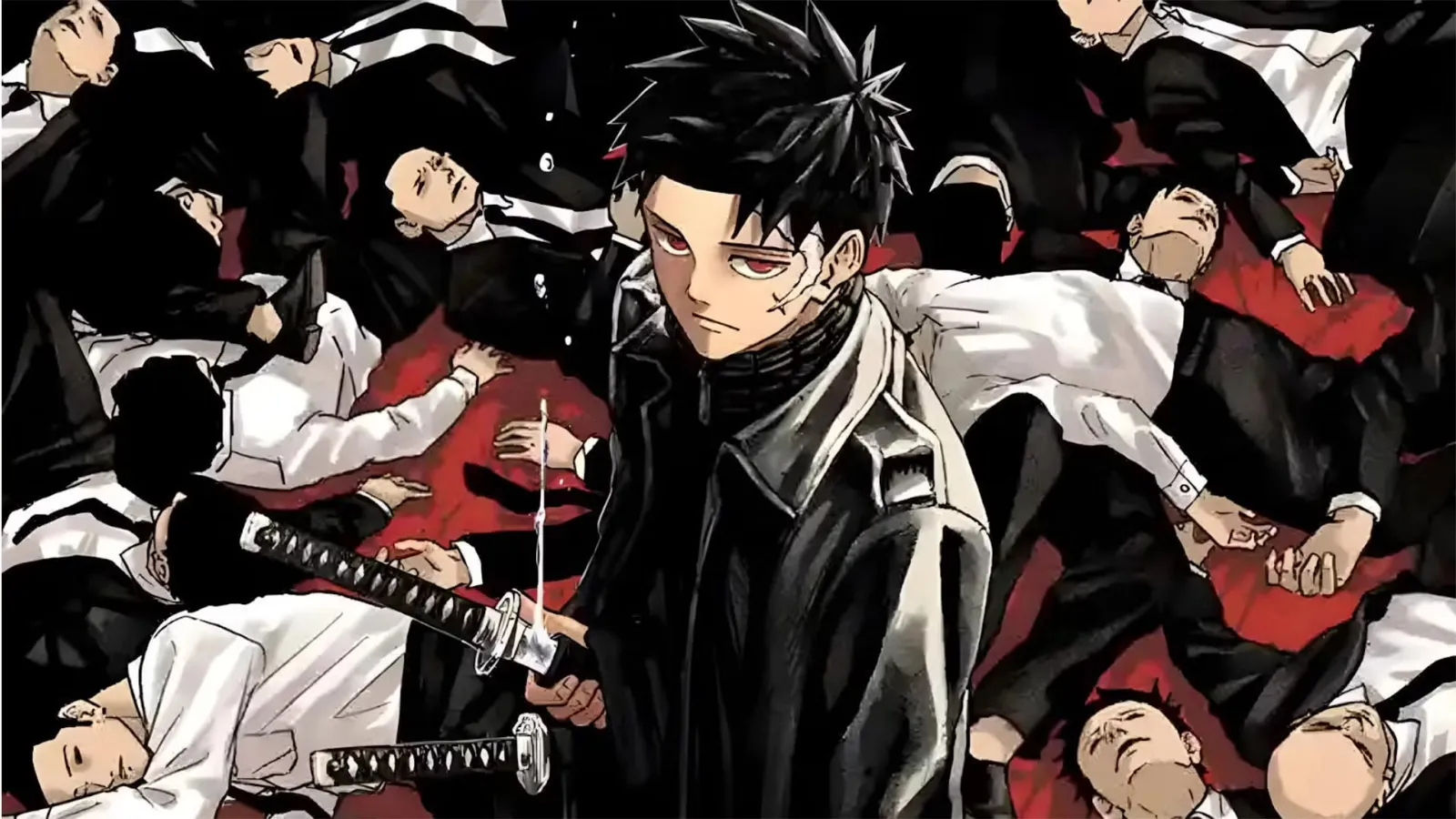
Kagurabachi, the long-awaited anime adaptation of Takeru Hokazono’s hit manga, premiered at Anime Expo, giving fans their first glimpse of the next big shonen anime. For decision-makers, the premiere shows how quickly a proven manga can convert attention into mainstream entertainment momentum.
Kagurabachi just did something that shonen executives love and distributors fear: it turned a premiere into a fast-moving hype engine. At Anime Expo, the long-awaited adaptation of Takeru Hokazono’s hit manga debuted and offered fans their first look, slicing through the event’s explosive anime energy within the first 20 minutes.
That early impact matters because Kagurabachi already arrived with an unusually heavy backstory. Long before it had enough chapters to fully establish itself, Hokazono’s dark fantasy revenge tale was being crowned online as Weekly Shonen Jump’s next blockbuster. The internet obsession came early, while the material was still building, which is basically the best-case scenario for any entertainment pipeline: audience demand starts forming before the “product” is fully baked.
To understand why Anime Expo is such a high-stakes proving ground, you have to look at how modern anime hype spreads. Fans do not just consume trailers. They track signals: festival reactions, first-episode pacing, animation confidence, and whether the adaptation respects the manga’s tone. A debut that captures attention immediately effectively becomes a live marketing asset, because the first impression people share tends to set the conversation for weeks. When an event like Anime Expo delivers a first glimpse that hits quickly, it reduces the time between “curiosity” and “commitment.” That time compression is a big deal for rights holders and partners, because it increases the odds that casual watchers become repeat viewers.
There is also an industry incentive here that is simple even if the business mechanics are not. Shonen manga is built to become repeatable, serial entertainment. When a manga hits, it creates a ready-made audience expectation loop: readers want more of the same, while platforms want proof that the fandom will follow. Kagurabachi’s premiere story implies it already had that follow-through potential, because the fandom formed early. The adaptation’s job, then, is not merely to translate pages to screens. It is to validate the hype that formed around it.
Regulatory background matters too, even for anime, because licensing, distribution, and content standards are increasingly about compliance as much as creativity. While the source here focuses on the premiere itself, the broader reality is that anime projects often move through different regions and partners, each with their own review processes and audience-safety expectations. The practical second-order effect for executives is that the “first look” moment at a major expo can influence downstream decisions, because partners often want to know whether a project will be viable across markets. If the early reception supports momentum, it can help justify accelerated rollout plans, localized marketing investments, and more confident scheduling.
Now connect this to capital allocation and board-level thinking. When a title is described as a potential next blockbuster before it even has enough chapters to establish itself, that is a market signal, not just a fan meme. It suggests that the “demand curve” may be steeper than usual, meaning returns could materialize faster if the adaptation lands. Boards care about speed because faster verification of audience appetite reduces the time uncertainty. In the entertainment world, uncertainty is expensive.
Second-order implications extend beyond Kagurabachi itself. Anime Expo hype does not live in a vacuum. It affects what fans talk about, what streamers prioritize, and which publishers decide they can push harder on next. If Kagurabachi slices through the explosive anime Expo hype in its first 20 minutes, it reinforces a pattern that investors and studios monitor: proven shonen manga properties can translate rapidly into mainstream programming when debut moments hit.
For peers watching from other projects and other stages of development, the executive takeaway is clear. Kagurabachi’s premiere confirms that the first impression at an industry-defining event can act like a forecast. Not because it guarantees long-term success, but because it compresses the feedback loop between audience appetite and business action. If the next big shonen anime is going to be the one everyone is talking about, the early minutes at a major expo are often where the story begins to lock in.
This story's Key Insights and Take-aways are locked.
Create a free account to unlock Executive Actions for one credit.
Register to UnlockAlways free for Executives Club members. Join the Club
More in Entertainment

Russell Brand's accuser 'bewildered and confused' as he denies 7 sex charges
The criminal case against the comedian is a live test of how media companies manage talent risk when serious allegations go public.

'It's a Magic Trick': Ballet Experts Say Rosalía's SNL Pose Is Impossible
Three ballet experts tell Rolling Stone Rosalía's gravity-defying SNL stillness shouldn't be possible - and why the debate is now part of the show.

Activision CMO: GTA 6 Will Boost Call of Duty, Not Bury It
Activision's top marketer says Rockstar's blockbuster will drive players back to consoles and into Modern Warfare 4, even as the company admits its recent strategy failed.