

Karol G teases “Matadora” as Viajando Por El Mundo starts at Soldier Field
The Colombian stadium run opens in Chicago with a new track warning: her next era is already louder.

Karol G teased her unapologetic new song, “Matadora,” right before her Viajando Por El Mundo tour kicked off in Chicago at Soldier Field. For tour and brand decision-makers, the timing signals how quickly new music can be converted into stadium-scale demand.
Karol G just used a very specific kind of scoreboard: she teased “Matadora” just before her Viajando Por El Mundo tour kicked off in Chicago at Soldier Field. That sequencing matters because it tells fans and the industry the same thing at once. The tour is not only carrying hits from the past. It is introducing momentum for what comes next, in the biggest possible room.
Rolling Stone reports that the Colombian superstar previewed the track right before the stadium run began. The kick-off venue and moment are part of the point. Soldier Field is not some club test. It is a spotlight with real economic gravity: ticket buyers, local partners, sponsors, and media are all paying attention at opening night. When an artist pairs a new song tease with a stadium debut, it functions like a high-stakes launch sequence. Fans show up expecting a greatest-hits memory, but they also get an on-ramp to the new era immediately.
To understand why execs care, zoom out from the celebrity moment and look at how music monetization works when the stage gets bigger than radio cycles. Stadium tours are not just about ticket sales. They are about attention. And attention is currency that can be converted into streaming lift, merch momentum, social reach, brand partnerships, and catalog longevity. A new song tease at the beginning of a global stadium run is a way to compress the timeline between “new music exists” and “new music becomes part of the cultural conversation.”
For decision-makers, the strategic logic is simple: stadium environments reward immediacy. When people are already physically present, the artist can use the tour as the distribution channel. The teaser acts like a bridge between expectation and novelty. Instead of asking audiences to wait for the song release in the normal cadence, the tour launch creates a near-instant shared story: “This is the moment the new track got its first real spotlight.” That shared narrative is exactly what drives repeat viewing, clips, and second-wave sharing, which is especially important for artists scaling globally.
There is also a brand and sponsorship angle. Stadium tours are multi-party ecosystems. Brands want alignment with something large, current, and unmistakably alive. New music teased at the start of the tour gives partners a fresh storyline they can wrap into campaigns, onsite activations, and social creative without having to pretend they are reacting to an old headline. If a sponsor is trying to capture the vibe of “right now,” opening-night novelty makes it easier.
And the global part is not decorative. Rolling Stone frames the tour as Viajando Por El Mundo, starting in Chicago. That “world travel” positioning is a marketing posture that can influence how markets respond, especially across regions with different streaming behaviors and different levels of familiarity with the latest releases. The early signal from a high-profile opening date can help establish a consistent narrative across subsequent stops. In other words, the Chicago launch is not only a Chicago event. It is a template for what fans in later cities will expect to see.
From a second-order perspective, this kind of timing can also affect how other executives plan their own release strategies. The music industry has long used singles to build anticipation, then tours to sustain it. Karol G is combining both signals tightly, effectively letting the tour start as the marketing engine for the next track. If that approach continues to perform, teams across labels, management, and touring companies may feel pressure to coordinate release calendars more aggressively with major on-sale dates and premiere moments.
Regulation and compliance might not be front-page for a song tease, but they are part of the backdrop in any large-scale public event. Stadium tours involve local permitting, safety requirements, advertising rules, and venue contracts. While the source does not add detail beyond the tour start in Chicago at Soldier Field and the tease itself, the broader point stands: the larger the live footprint, the more operational discipline is required. New music may be creative, but it still lands in a legal and logistical environment. The win is when the creative moment does not disrupt the operational timeline, and instead reinforces it.
Ultimately, what matters for peers is the same thing fans will feel in the seats. A global stadium run is a high-velocity platform. By teasing “Matadora” just before the tour kicked off in Chicago, Karol G is demonstrating how an artist can turn a single launch moment into a multi-channel flywheel. For executives watching the intersection of live entertainment, streaming demand, and brand leverage, this is a reminder: the next era is not something you announce later. Sometimes, you plant it right at the opening kickoff.
This story's Key Insights and Take-aways are locked.
Create a free account to unlock Executive Actions for one credit.
Register to UnlockAlways free for Executives Club members. Join the Club
More in Entertainment

'It's a Magic Trick': Ballet Experts Say Rosalía's SNL Pose Is Impossible
Three ballet experts tell Rolling Stone Rosalía's gravity-defying SNL stillness shouldn't be possible - and why the debate is now part of the show.

Activision CMO: GTA 6 Will Boost Call of Duty, Not Bury It
Activision's top marketer says Rockstar's blockbuster will drive players back to consoles and into Modern Warfare 4, even as the company admits its recent strategy failed.
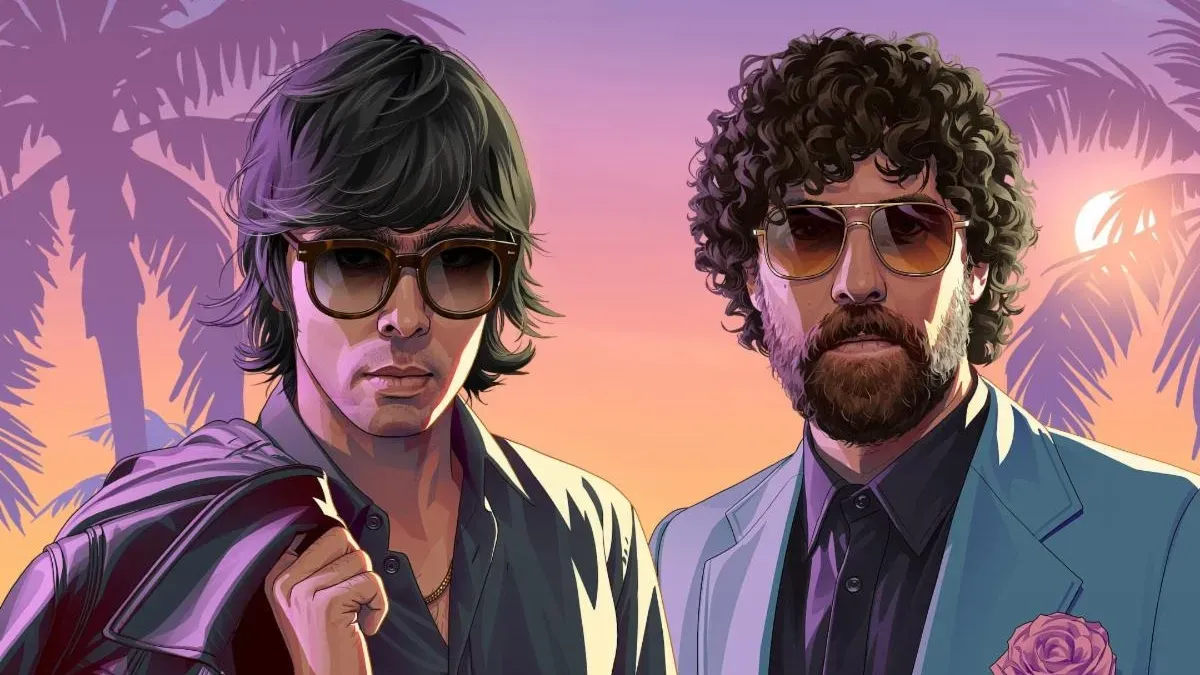
Justice to Score GTA 6, Share New Song with Tame Impala, SZA, King Gizzard
Rockstar taps the French duo for the GTA VI score, and the first taste is a genre-melting collab with Tame Impala, SZA, and King Gizzard & The Lizard Wizard.