
Katie Dippold says she’d stay at Widow’s Bay’s haunted inn after Emmy breakout
Apple TV’s Comic-Con Hall H panel turns the show’s horror-comedy tone into a boardroom-level takeaway: everything is intentional.

Apple TV’s first ever Hall H panel at San Diego Comic-Con featured Widow’s Bay cast and creators, including series creator Katie Dippold and director Hiro Murai, reacting to the show’s breakout success and 19 recent Emmy nominations. For decision-makers, the panel mapped how tone, writing, and character logic feed audience obsession, renewals, and next-cycle planning.
Apple TV’s first ever Hall H panel at San Diego Comic-Con didn’t just celebrate Widow’s Bay. It basically stress-tested the show’s creative engine in public, with series creator Katie Dippold making the kind of statement that sounds like a joke until you realize it is her thesis.
During the two-hour Hall H session, Dippold told Dale Dickey, who earned one of those Emmy nominations for Supporting Actress as Rosemary, that “I know this sounds psychotic, but I would stay at that haunted inn. I would want to get a coffee at that diner.” She then doubled down later, saying “I would like to be killed there.” The cast and crew framed the island’s terror as something that still feels grounded, cozy, and, crucially, repeatable. Director Hiro Murai expanded it: it should be “off-putting” to be there, but there’s an “inherent coziness. You love this place.”
That matters for executives because “tone” is not a vibe. It is operational. Murai’s line about starting from “initial conviction” and the group’s consistent emphasis that “If you get the tone of the show, you’re gonna get the show” pointed to a production discipline that goes beyond writing. Jeff Hiller joked about using the creative “guardrail” approach, saying every time he did something wrong they’d say “don’t do that,” reinforcing that the show’s blend of horror and comedy is controlled, not accidental.
Hall H is also where studios go to cash in on certainty, especially when the math has turned in your favor. Widow’s Bay’s breakout success includes 19 recent Emmy nominations, and the panel was packed with cast members and creators connecting specific creative choices to that cultural hit. K Callan, Kevin Carroll, Stephen Root, Jeff Hiller, and Kingston Rooney Southwick were all on stage, alongside director Hiro Murai and series creator Katie Dippold. The show also made one thing clear: the people building it are as attached to the island’s internal logic as the audience is to the mystery.
The cast fielded character and plot questions that were less about trivia and more about how continuity becomes a retention tool. Stephen Root described bringing “some humanity” to salty townie Wyck, emphasizing that Wyck is “trying to protect the people on the island” and tying it to “kindness.” Carroll, who plays Bashir, tied his character question to parenthood and stakes, arguing that “what parent in here wouldn’t go to the nth degree for the sake of their children?” based on Bashir’s exhaustion and the season finale’s wife going into labor during the harrowing climax.
Then came one of the biggest “aha” moments from the first season: K Callan’s Ruth being related to both the founding of the island and Tom and his son Evan. Callan admitted she knew almost nothing going in, saying “I knew nothing,” adding, “I got to read the pilot and that was it. I had no idea what Ruth’s journey was going to be. I just put my life in Katie and Hiro’s hand.” That is a telling production dynamic. It implies a writers room that can plant a long-running engine early and still let performers find the emotional truth inside it later.
Southwick added texture to the rocky father-son relationship between Evan and Matthew Rhys’ Tom, explaining that they keep “a lot of secrets” and that those secrets “kind of keeps us honest.” This is the kind of storytelling structure that board-level decision-makers understand because it supports multiple layers of engagement. It creates immediate suspense, but it also gives actors permission to deliver consistency across episodes, seasons, and rewatches.
The panel also used one of the most iconic scenes as a live reminder of why fans are obsessed with the show’s central mechanisms. Toward the end of the Widow’s Bay time slot, Dale Dickey recreated a projector screen moment where Rosemary goes over her genealogical findings for the Tom, Patricia, Wyck trio to end the island’s bloodlust, linked to an old newspaper headline about cannibalism. Dickey set it up with the line, “It started with cannibalism... right, mayor?” Screens then cut to a live video call from Matthew Rhys. Rhys joked, “No, no, you know we don’t talk about cannibalism,” while also acknowledging that his mayor is more enthusiastic about managing the island than proficient at it. He then reframed the island’s leadership mindset: “He wants the very best for the island and those who live upon it.”
Rhys also got into the physicality and comedy rhythm that make the horror readable without becoming bleak. When asked how he finds Tom’s slapstick performance, he said, “I didn’t find anything, Josh, that’s how I live my life.” For Episode 5, where Tom takes a dose of diabolical-looking mushrooms, Rhys compared it to “three to four bottles of good chablis,” then described copying the act of “people enjoying themselves” as a “mushroom trip.” The panel also served as a proxy for how studios think about performance research and iteration. Rhys credited YouTube as “a great provider these days for acting,” which is not a production manual, but it does reflect how actors and directors can efficiently calibrate physical comedy.
If this were just a celebration, it would have stayed in the past tense. Instead, the panel gave real forward motion through another key disclosure. At a Showrunners on Showrunning panel Friday afternoon, Dippold said she learned Widow’s Bay had been renewed “not long before it became official.” She added that the writer’s room started that week and would be active for the next 20 weeks, with the “goal is filming early next year.” For decision-makers, that is the bridge between creative momentum and operational scheduling: renewals extend the runway, but writers room duration and filming windows determine downstream spend, staffing, and release calendar planning.
And while Widow’s Bay was the centerpiece here, Apple TV also used Hall H to reinforce that it is building a broader pipeline around high-concept IP. The same Hall H run included announcements for the upcoming second season of Dark Matter, the new Ryan Reynolds and Kenneth Branaugh movie Mayday, and the back half of Silo Season 3. There was also an unexpected release date reveal for its 10-episode Neuromancer series in early 2027, and a look at the high-octane trailer for Matchbox, plus cast talk where John Cena joked about his fear of stunts and told the room, “I was scared shitless.” Showrunner/executive producer Graham Roland discussed why now was the perfect time to adapt William Gibson’s seminal cyberpunk novel.
Taken together, the Widow’s Bay panel reads like a blueprint for how top studios translate audience obsession into repeatable production systems. Tone discipline, character logic, mystery payoff, and a coherent performance style all show up in the same two hours. And when renewals land fast enough to start a writer’s room within days, executives get the one thing that keeps everything else from unraveling: a predictable rhythm for turning creative risk into next-season commitments.
This story's Key Insights and Take-aways are locked.
Create a free account to unlock Executive Actions for one credit.
Register to UnlockAlways free for Executives Club members. Join the Club
More in Entertainment

'It's a Magic Trick': Ballet Experts Say Rosalía's SNL Pose Is Impossible
Three ballet experts tell Rolling Stone Rosalía's gravity-defying SNL stillness shouldn't be possible - and why the debate is now part of the show.

Activision CMO: GTA 6 Will Boost Call of Duty, Not Bury It
Activision's top marketer says Rockstar's blockbuster will drive players back to consoles and into Modern Warfare 4, even as the company admits its recent strategy failed.
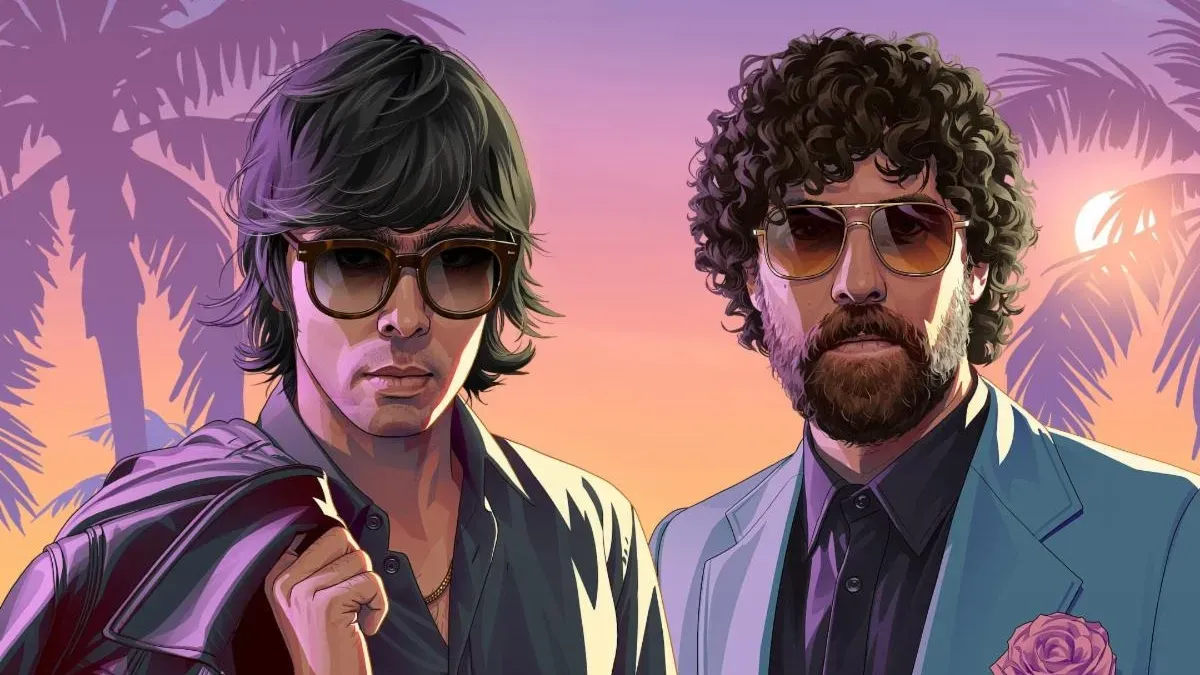
Justice to Score GTA 6, Share New Song with Tame Impala, SZA, King Gizzard
Rockstar taps the French duo for the GTA VI score, and the first taste is a genre-melting collab with Tame Impala, SZA, and King Gizzard & The Lizard Wizard.