

Katy Perry blasts White House TikTok over 'Firework' soundtrack for Iran strikes
The pop star says she was neither consulted nor permitted as the administration paired her 2010 hit with military footage.
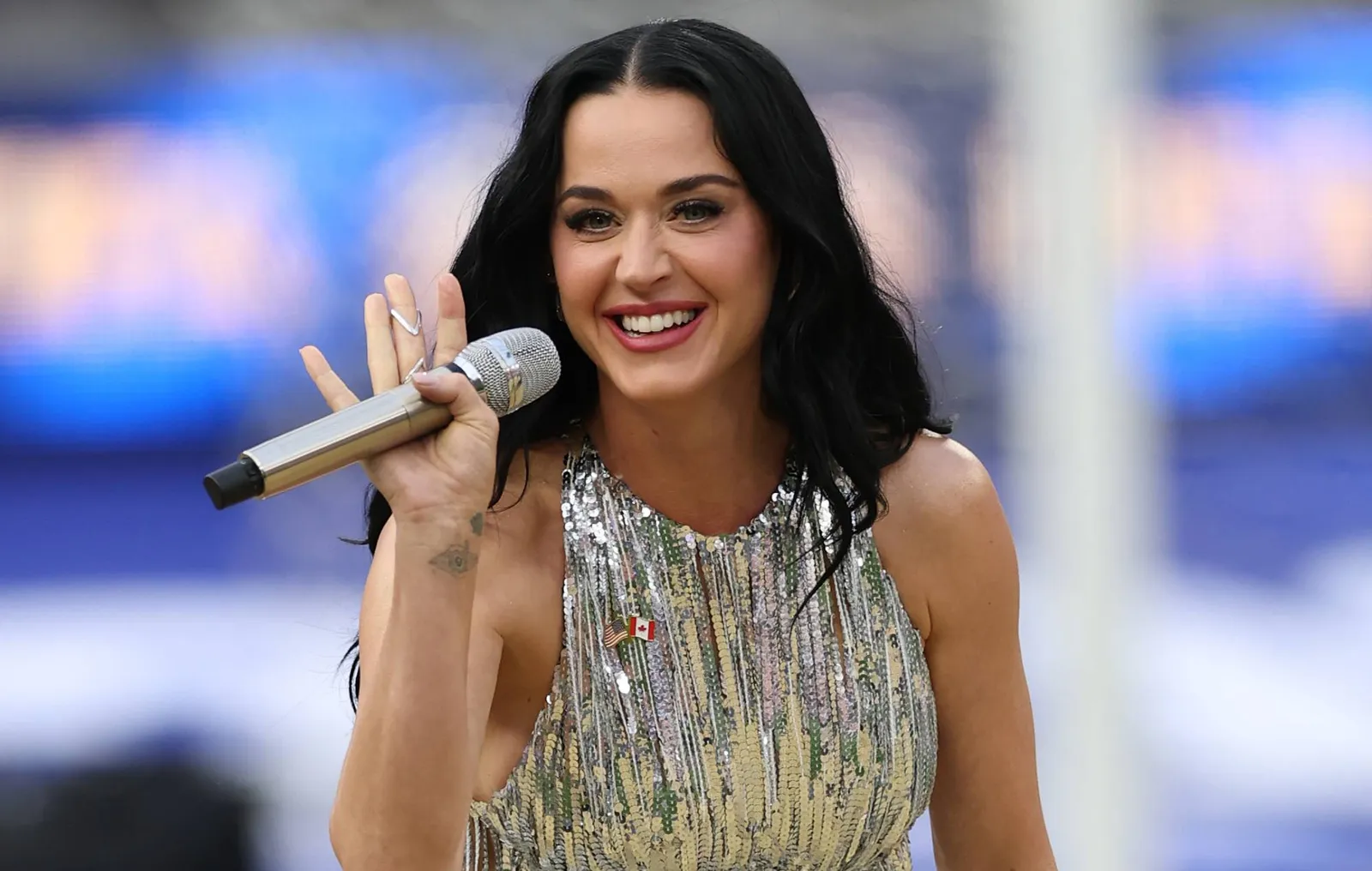
Katy Perry condemned the White House after its official TikTok account used her 2010 hit 'Firework' in video footage of US military strikes on Iran. For decision-makers, it is a live test of music rights, brand risk, and government social media rules under political pressure.
Katy Perry did not mince words. On July 25, 2026, she condemned the White House for using her song 'Firework' as a backing track for video footage of US military strikes on Iran, saying she was neither consulted nor granted permission.
Perry’s statement came after the Trump administration shared the video through the official White House TikTok account earlier this week, pairing military operations with the caption “Iran has been warned.” In her response on X, Perry wrote: “I am deeply appalled and angry to see ‘Firework’ used on the @WhiteHouse TikTok account as a backing track for video footage of military strikes. I did not approve this, I was not asked, and I absolutely do not condone it.” She also tied her objection directly to the meaning of the song, arguing that the message of “self-worth and upliftment” should not be “weaponised to soundtrack destruction and violence.”
Why this matters is not just celebrity drama. Perry’s complaint lands in the middle of a very modern conflict: how public-sector accounts use copyrighted music in social posts at internet speed, when the original artist can instantly see the output and react in public. The White House TikTok account is designed for reach, not for rights choreography. But Perry’s point is about consent and intent: she says she did not approve the use and that her song was written as an anthem for people going through “their darkest personal moments,” not celebrating warfare. In other words, the dispute is as much about message and association as it is about the mechanics of a soundtrack.
Perry’s explanation of 'Firework' gives the stakes a brand-level edge. She says the track was meant to communicate “hope, healing, and inner strength,” and she concludes: “My music is for bringing people together, not celebrating warfare.” That framing is likely to resonate because it turns a licensing question into an identity question. Even if a platform can technically facilitate music in a video, the artist’s public refusal can still reshape how audiences interpret the association. For boards and marketing leaders, that is the real risk multiplier: the content may be legal on a technicality, but the public narrative can still stick.
This is also part of a broader pattern Perry is now walking through, and it is not limited to one musician or one topic. NME notes that she is “the latest in a growing number of musicians” objecting to the Trump administration using their music in government social media posts. Last month, Ariana Grande criticised the White House after her song 'Bye' was used in a video showing ICE agents detaining people, telling the administration not to associate her music with “barbaric, inhumane” footage. Kesha also hit out after 'Blow' was used in a military video, while Boards Of Canada and Warp Records condemned unauthorised use of 'Deep Time' in a post featuring border patrol boats and detention centres. Sabrina Carpenter previously described an ICE video featuring 'Juno' as “evil and disgusting,” while Olivia Rodrigo accused the administration of using her music to promote “racist, hateful propaganda.”
Zoom out, and the list keeps widening: other artists and estates to have objected include The Rolling Stones, Adele, Neil Young, Jack White, ABBA, Céline Dion, Foo Fighters, Isaac Hayes’ estate and Eddie Grant. That matters for executives because it signals a repeatable playbook by the administration and a repeatable backlash dynamic by rightsholders. In practice, this kind of cycle can force three systems to adapt: (1) rights and licensing workflows, (2) social media content review processes, and (3) crisis communications planning for brand-sensitive partnerships and catalogs.
So what should decision-makers do with this? First, treat government social media as a high-velocity distribution channel with unique reputational physics. Second, recognize that an artist’s permission is not the only variable; the artist’s public interpretation and the political context can transform a single post into a multi-episode narrative. Third, remember that the backlash is not happening in a vacuum. Even NME’s broader mention that Perry’s 'Lifetimes' concert film will be shown in more than 150 cinemas across the UK highlights how an artist’s career can be simultaneously about cultural projects and contested imagery. That duality makes public objections more consequential, because they can affect audience sentiment even when consumers are just trying to enjoy entertainment.
Looking ahead, the strategic stake for peers in entertainment, brand management, and digital rights is simple: when music becomes a government megaphone, the rights boundary and the meaning boundary can collide. Perry’s statement shows how quickly that collision can happen, and how publicly. For executives advising artists, labels, estates, or platforms, the case is a reminder that “use of music” is never only about royalties. It is also about context, association, and the speed at which a message can become a headline.
This story's Key Insights and Take-aways are locked.
Create a free account to unlock Executive Actions for one credit.
Register to UnlockAlways free for Executives Club members. Join the Club
More in Entertainment
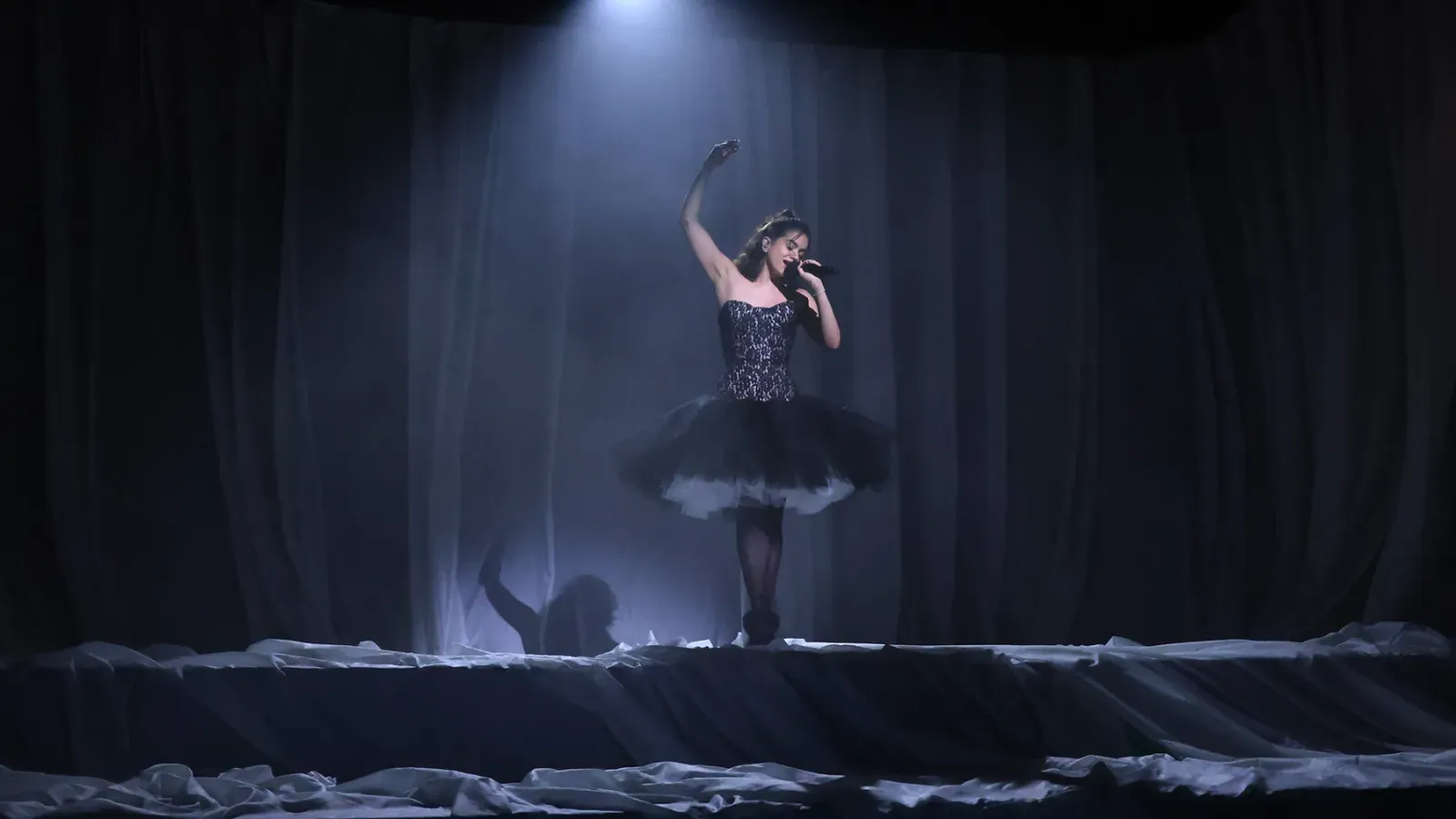
'It's a Magic Trick': Ballet Experts Say Rosalía's SNL Pose Is Impossible
Three ballet experts tell Rolling Stone Rosalía's gravity-defying SNL stillness shouldn't be possible - and why the debate is now part of the show.
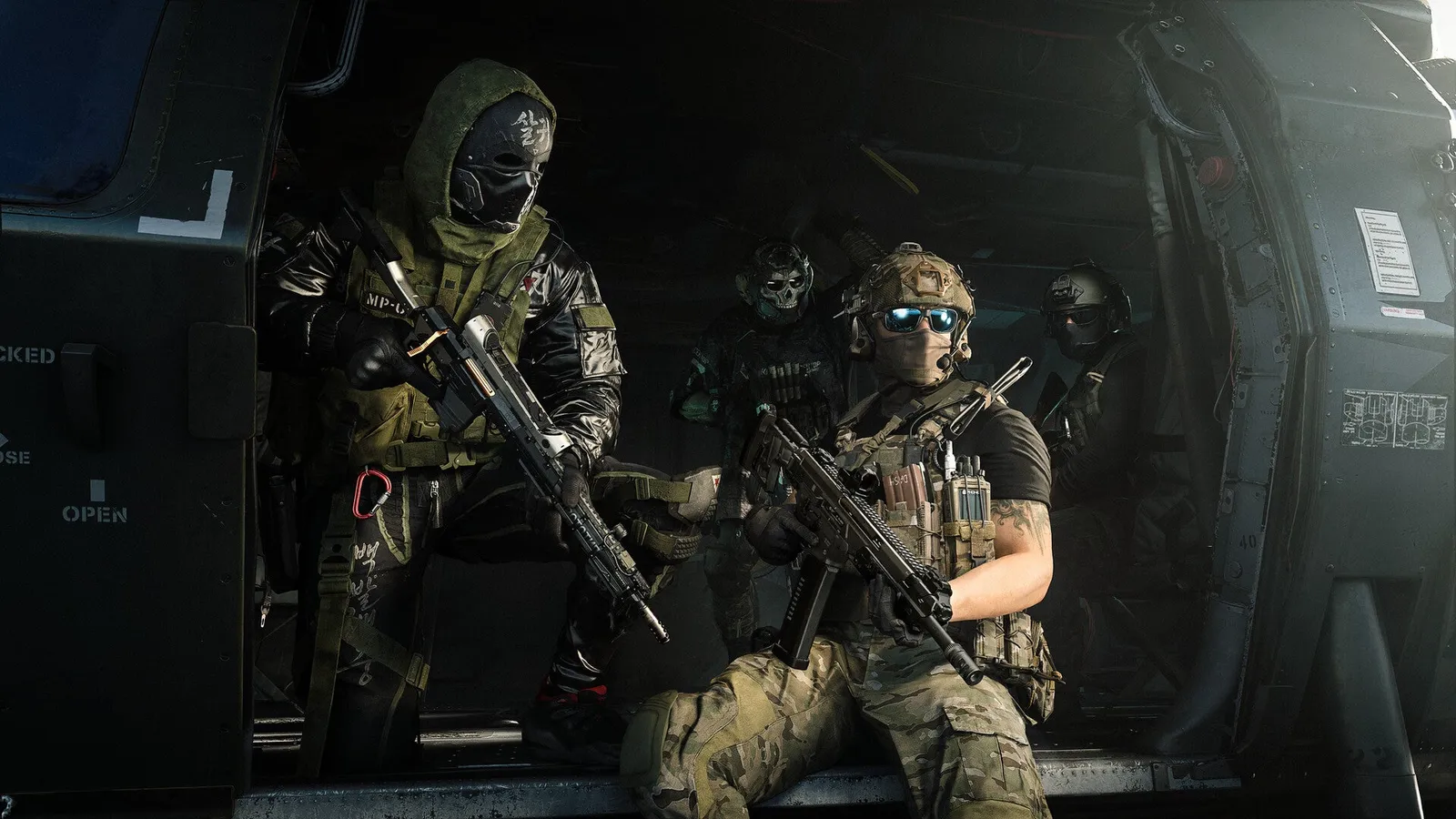
Activision CMO: GTA 6 Will Boost Call of Duty, Not Bury It
Activision's top marketer says Rockstar's blockbuster will drive players back to consoles and into Modern Warfare 4, even as the company admits its recent strategy failed.

Justice to Score GTA 6, Share New Song with Tame Impala, SZA, King Gizzard
Rockstar taps the French duo for the GTA VI score, and the first taste is a genre-melting collab with Tame Impala, SZA, and King Gizzard & The Lizard Wizard.