

Ke Huy Quan's $100K residual check: Hollywood's streaming math, explained
The Oscar winner's surprise over a 40-year-old residual reveals how the industry's payment system is being rewritten for the streaming era.
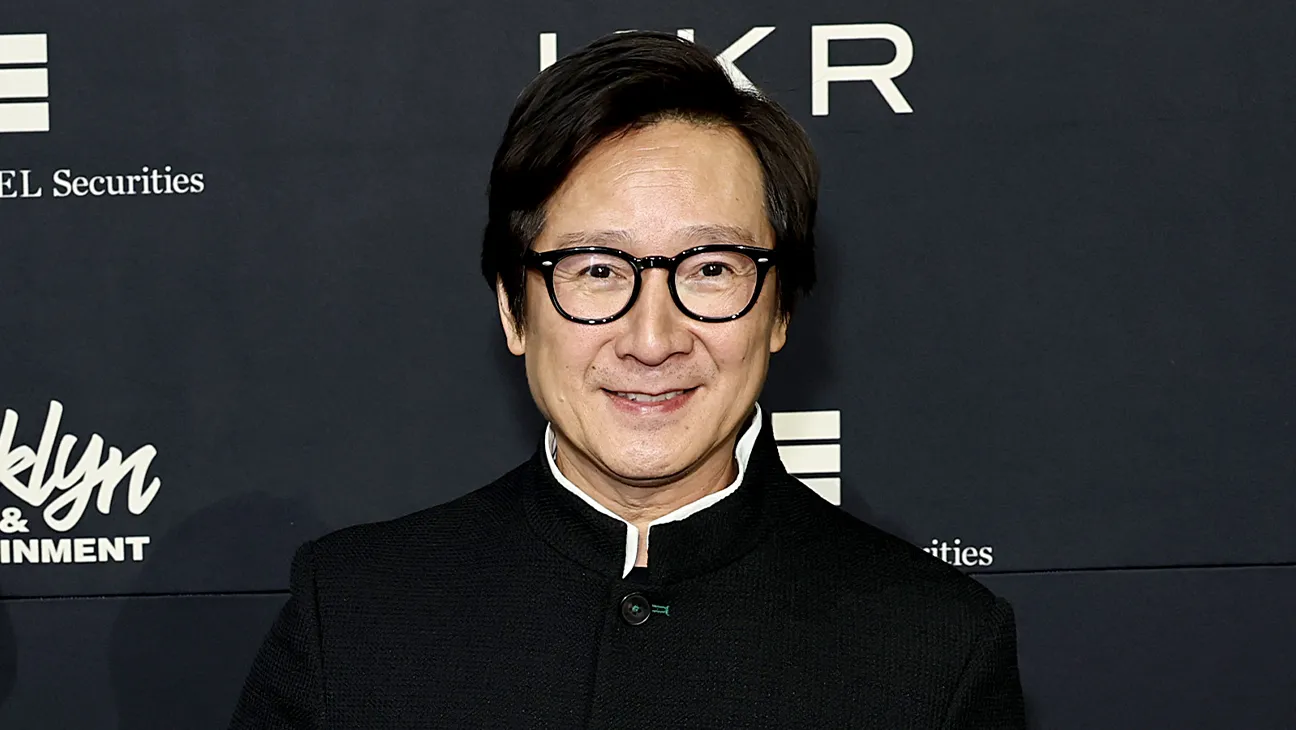
Ke Huy Quan, Oscar-winning actor, revealed he received a $100,000 residual check for Indiana Jones and the Temple of Doom, a film he worked on in 1984. The payment highlights the enduring value of residuals and the shifting economics of entertainment as streaming platforms redefine how talent is compensated.
Ke Huy Quan, the Oscar-winning star of Everything Everywhere All at Once, recently revealed he received a $100,000 residual check for his role in Steven Spielberg's 1984 classic Indiana Jones and the Temple of Doom. The actor admitted he "didn't understand how more money could suddenly appear" after already being compensated for his work on the film. The check is a striking reminder that residuals, the payments actors and writers receive when a project is reused or redistributed, can turn into a decades-long revenue stream that rivals the original paycheck.
For context, Quan was a child actor when he played Short Round in the film, and his initial compensation was likely modest by Hollywood standards. The $100,000 check, which he described as "generous," underscores how residuals can compound over time, especially for projects that become cultural touchstones. Temple of Doom has been re-released, aired on television, and streamed on platforms like Disney+ and Paramount+, each triggering residual payments. The check is not just a nostalgic nod to the past; it is a tangible example of how intellectual property can generate income for decades after the cameras stop rolling.
The revelation comes at a pivotal moment for the entertainment industry. The 2023 writers' and actors' strikes were largely fought over residuals, particularly how streaming platforms calculate and distribute them. Traditional residuals were based on a project's performance in syndication, home video, and broadcast television, but streaming has upended that model. Platforms like Netflix, Disney+, and Max often pay a flat licensing fee or a smaller residual based on subscriber counts, which creators argue undervalues their work. Quan's check, tied to a pre-streaming era film, highlights the stark contrast between the old model, where residuals could be substantial, and the new one, where even hit shows can yield surprisingly small payments.
The entertainment industry is now navigating a transition similar to what music faced in the early 2000s, when streaming upended album sales and royalty structures. For actors and writers, residuals are not just a bonus; they are a form of deferred compensation that can sustain careers between projects. For studios and platforms, residuals are a cost of doing business, but one that is increasingly under scrutiny as streaming margins tighten. The 2023 strike agreements included new residual structures for streaming content, including bonuses for high-performing shows, but the long-term impact remains unclear. Quan's $100,000 check is a reminder of what is at stake: for talent, residuals can be a lifeline; for platforms, they are a line item that affects profitability.
For executives and investors, the story is a case study in the value of intellectual property. Temple of Doom, now 40 years old, is still generating revenue for its stakeholders, including Quan. This is the power of a durable content library, a key reason why media conglomerates like Disney and Warner Bros. Discovery have spent billions to acquire and retain content. The residual check also highlights the importance of contract design. Quan's original contract, likely negotiated by a studio in the 1980s, included residual provisions that have paid off handsomely. Modern contracts, particularly in streaming, are often less favorable to talent, which is why unions have fought so hard to change them.
The broader lesson for decision-makers is that compensation structures have long tails. Whether in media, tech, or finance, the terms of a deal can echo for decades. Quan's check is a reminder that the initial transaction is just the beginning; the real value often lies in the ongoing relationship. For talent, that means understanding the residual and royalty provisions in their contracts. For executives, it means recognizing that how you structure compensation today will shape your company's obligations and reputation for years to come.
As streaming platforms continue to evolve, the debate over residuals is far from over. Quan's story is a rare positive example, a moment where the system worked as intended. But it also raises a question: how many actors and writers are missing out on similar windfalls because their contracts were signed in an era of declining residual rates? The answer will shape the next wave of entertainment industry negotiations, and it is a question every executive in the space should be asking.
For now, Quan's $100,000 check is a feel-good story, but it is also a strategic signal. The entertainment industry is in the middle of a fundamental shift in how value is created and distributed. Those who understand the mechanics of residuals, and the long-term value of intellectual property, will be better positioned to navigate the transition. Those who don't may find themselves on the wrong side of history, watching as the value they helped create flows to someone else.
This story's Key Insights and Take-aways are locked.
Create a free account to unlock Executive Actions for one credit.
Register to UnlockAlways free for Executives Club members. Join the Club
More in Entertainment

'It's a Magic Trick': Ballet Experts Say Rosalía's SNL Pose Is Impossible
Three ballet experts tell Rolling Stone Rosalía's gravity-defying SNL stillness shouldn't be possible - and why the debate is now part of the show.

Activision CMO: GTA 6 Will Boost Call of Duty, Not Bury It
Activision's top marketer says Rockstar's blockbuster will drive players back to consoles and into Modern Warfare 4, even as the company admits its recent strategy failed.
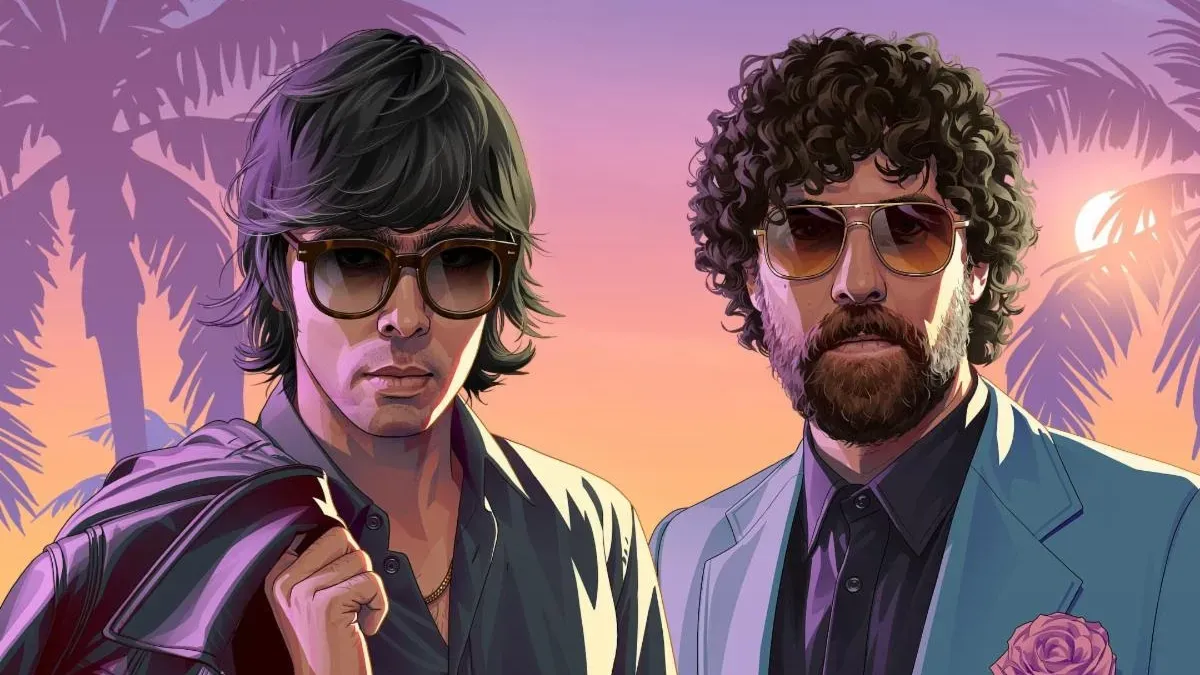
Justice to Score GTA 6, Share New Song with Tame Impala, SZA, King Gizzard
Rockstar taps the French duo for the GTA VI score, and the first taste is a genre-melting collab with Tame Impala, SZA, and King Gizzard & The Lizard Wizard.