
Keith Richards says Rolling Stones touring may not be possible, hints residencies instead
A candid Uncut interview puts the band, its business model, and live-revenue planning under a new spotlight.
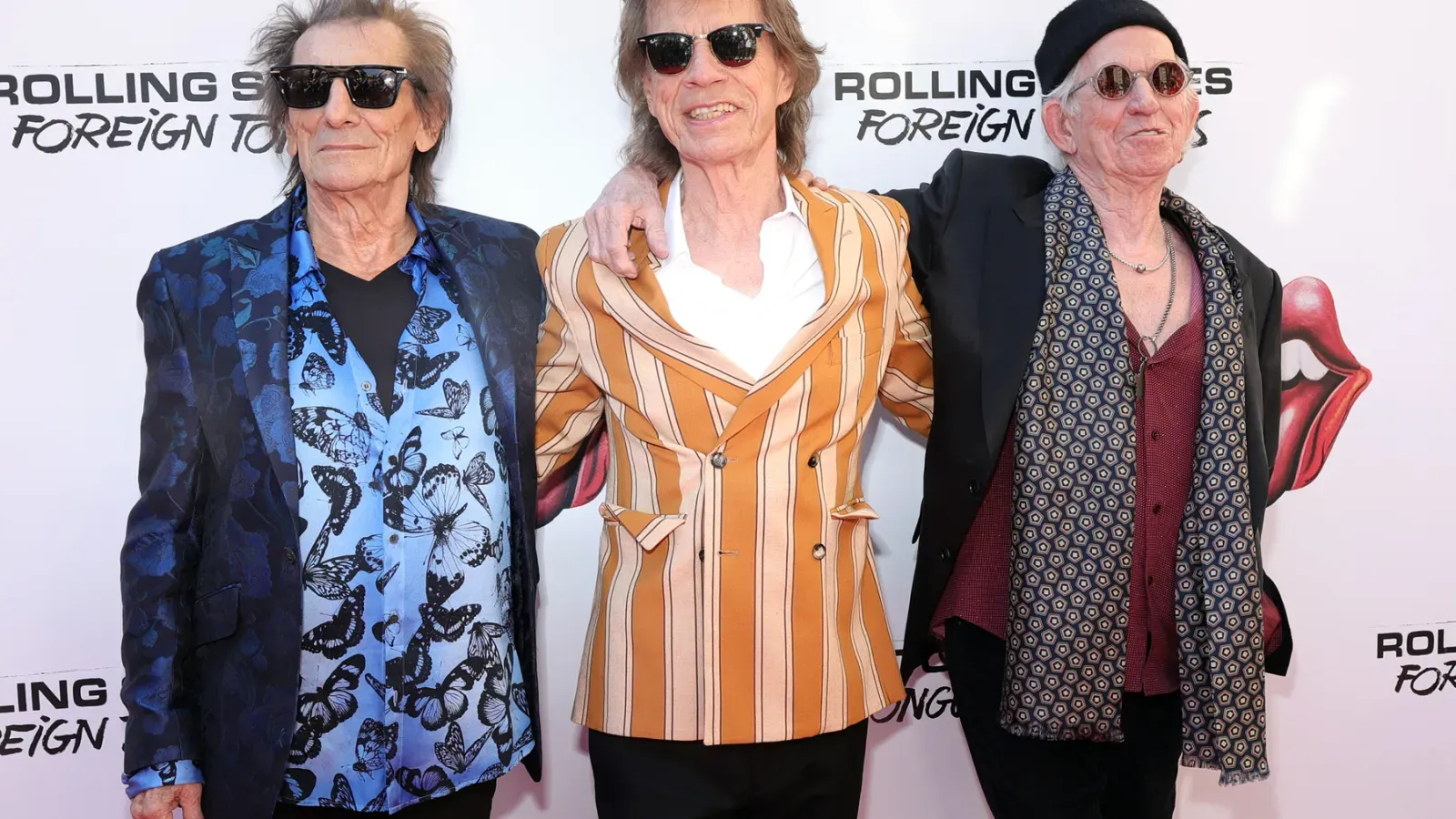
Keith Richards told Uncut he does not know if tours are possible for the Rolling Stones. For executives who underwrite live entertainment, it raises the question of whether the next growth lever is residencies, not touring.
Keith Richards is casting doubt on the Rolling Stones' touring future. In an interview with Uncut, the longtime frontman said, "I don't know if tours are possible," and in the same breath raised an alternative: the possibility of residencies.
That combination matters because tours are not just a cultural moment for legacy acts. They are an operating system for revenue, staffing, production cycles, and partner contracts. When Richards says he is not sure tours are possible, he is effectively telling the ecosystem that the traditional roadmap for live music might need a rewrite. The good news for planners is that residencies are at least on the table, which changes how the business thinks about risk, scheduling, and demand.
Residencies are not a new concept in music, but they are a different kind of bet. A tour asks a company to coordinate many moving parts across cities, venues, promoters, logistics providers, and local teams. It is also exposed to variables that compound across weeks: travel friction, weather disruptions, venue availability, and regulatory or administrative hurdles that can vary by location. A residency concentrates that complexity into a shorter menu of commitments, usually with a stable venue relationship and a repeating production framework. For an industry that has spent years optimizing for predictability, the difference is significant.
This is also where the executive lens kicks in. Richards is speaking as an artist, but the question he is raising lands on commercial counterparts: managers, touring executives, venue operators, ticketing partners, and financiers. Touring involves a tight choreography between estimated capacity and guaranteed economics. If the band is uncertain about whether "tours are possible," counterparties start to price uncertainty. That can show up in everything from contract structures to minimum guarantees to how promotional spend is justified.
There is also a second-order impact on boards and investment committees, even if they are not directly funding a single band. Live entertainment is an ecosystem. When a marquee act hints at a shift from touring to residencies, other stakeholders take notes. Promoters and venue operators may lean harder into season-long programming, long-term partnerships, and longer booking windows, because it is easier to forecast foot traffic and ancillary spend when the show is anchored to a place.
Regulatory and compliance considerations play a quiet role here too, even when nobody says the word "regulation" out loud in celebrity interviews. Live events typically require a stack of local approvals, safety planning, and documentation that can vary city to city. Even when requirements are routine, variability can add friction and cost. Tours magnify that friction because they multiply the number of jurisdictions and timelines. A residency, by contrast, concentrates planning into a smaller geographic footprint, which can make operational compliance feel more controllable.
None of this means residencies are automatically safer or more profitable. They come with their own tradeoffs, including the risk of audience fatigue if programming does not keep attention fresh, and the commercial dependence on a venue that becomes the central revenue engine. But the strategic pivot Richards suggests, at least in idea, is a classic move in uncertain conditions: reduce the number of moving parts, increase the durability of the relationship, and redesign the schedule to fit the realities of production.
For executives in similar roles across entertainment, the subtext is not that the Rolling Stones are definitely stopping. It is that the touring certainty that the industry often treats as baseline might no longer be guaranteed. When a figure like Keith Richards says, "I don't know if tours are possible," it is a reminder that even iconic brands can face unknown constraints, whether they are logistical, physical, or tied to how the act wants to deliver shows.
The strategic stake is straightforward. Legacy artists, venue operators, and live-service companies need scenarios, not single forecasts. If residencies become the default plan for acts that once built their calendar around touring, then the next competitive advantage will be who can structure partnerships and cash flows to support longer, steadier runs. Richards may be talking about music. But his uncertainty is already a signal to the business side that planning assumptions should be stress-tested, and residencies should be treated not as a quirky alternative, but as a real operating model worth modeling now.
This story's Key Insights and Take-aways are locked.
Create a free account to unlock Executive Actions for one credit.
Register to UnlockAlways free for Executives Club members. Join the Club
More in Entertainment

Russell Brand's accuser 'bewildered and confused' as he denies 7 sex charges
The criminal case against the comedian is a live test of how media companies manage talent risk when serious allegations go public.

'It's a Magic Trick': Ballet Experts Say Rosalía's SNL Pose Is Impossible
Three ballet experts tell Rolling Stone Rosalía's gravity-defying SNL stillness shouldn't be possible - and why the debate is now part of the show.

Activision CMO: GTA 6 Will Boost Call of Duty, Not Bury It
Activision's top marketer says Rockstar's blockbuster will drive players back to consoles and into Modern Warfare 4, even as the company admits its recent strategy failed.