
Kevin McHale blasts “diabolical” curse fans for framing Cory Monteith and Naya Rivera deaths
The “Glee” star calls out viewers who treat real fatalities like plot devices, and the backlash is getting louder.
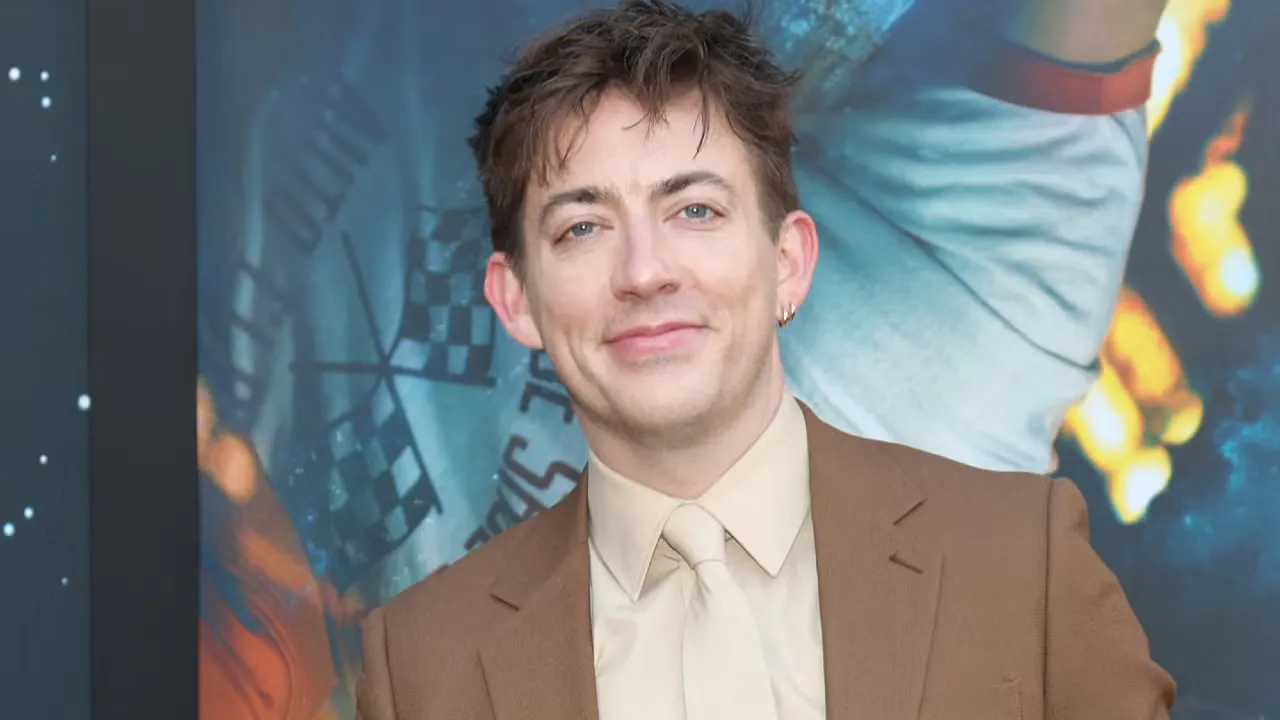
Kevin McHale, a star of Ryan Murphy’s “Glee,” posted on X that fans who speculate about a “curse” behind actor deaths are “f-king diabolical.” His remarks renew debate over how “Glee” fandom and media narratives discuss Cory Monteith, Naya Rivera, and Mark Salling.
"Glee" star Kevin McHale did not mince words on X Wednesday. He called out fans who speculate that a “curse” linked to the Ryan Murphy series is somehow responsible for the deaths of real people, saying their talk is “f-king diabolical” and “untethered from any sort of humanity or reality.” He added: “Get f-ked.”
The targets of that online speculation are familiar to anyone who has followed the show and its tragic headlines: Cory Monteith, Naya Rivera, and Mark Salling. McHale’s outburst zeroes in on how some corners of the “Glee” fandom have treated those deaths as if they were outcomes in a story world, not irreversible events for families, friends, and co-workers.
Here is what the source lays out, and why it matters that McHale is pushing back. Cory Monteith died in 2013 at the age of 31 after a heroin overdose while he was still starring on “Glee” as Finn Hudson. A Season 5 episode titled “The Quarterback,” written by Murphy, Brad Falchuk and Ian Brennan, later featured Finn's death and was made in tribute to Monteith.
Mark Salling, another “Glee” actor, died in 2018 at the age of 35 in an apparent suicide by hanging. The source notes this came soon after he pleaded guilty to possession of child pornography and shortly before he was set to begin a prison sentence of four-to-seven years. Naya Rivera died in 2020 at the age of 33 after she was declared a missing person when her four-year-old son was discovered alone on a boat at Lake Piru in California. These are not mysteries with a satisfying explanation, which is exactly why the “curse” framing reads as especially cold to people who lived through the coverage.
Still, the “curse” theory has persisted inside fandom. The source says certain segments of the “Glee” audience have long discussed a curse that afflicted the show created by Murphy, Falchuk and Brennan, and they speculate this curse is at fault for those deaths. That speculation is not just casual rumor. The source points to a highly criticized 2023 documentary, “The Price of Glee,” that discussed the curse. McHale’s post lands in a media ecosystem where entertainment brands are increasingly scrutinized for how stories get shaped after real-world tragedies.
From an executive perspective, there are two tensions colliding here. First is the incentive problem. Fandom ecosystems reward attention, theorycrafting, and “connected” narratives, even when the connections are emotionally and ethically risky. Second is the platform problem. Social media accelerates repetition. A claim does not need to be accurate to spread; it only needs to feel like it matches the mood of a community.
That is what makes McHale’s language significant. He calls the behavior “untethered from any sort of humanity or reality,” essentially arguing that the theory does not just misinform, it dehumanizes the people whose names are being used. The reply thread captured the same friction. One “Glee” fan response quoted in the source, posted under the handle @joejnasgirl on July 30, 2026, said it is “so f-king disrespectful to their memory and to their families and friends,” adding that the posters “always” spoke up and would keep saying how cruel and thoughtless the talk is.
The second-order implications for decision-makers are bigger than one celebrity rant. When real fatalities are folded into entertainment mythology, brands risk looking like they benefit from the attention even if they did not ask for it. That can affect how networks, studios, and talent relations operate, especially in a world where audiences increasingly treat creators and companies as responsible for the narratives that flourish around their work.
For boards, producers, and talent managers, this is also a governance signal: public figures inside a franchise can be forced into crisis communication mode, not because a company violated a policy, but because community discourse crossed a line. McHale’s post is essentially a “tone reset” from within the cast, and it is aimed at online behavior rather than institutional action. That matters because it indicates that the franchise’s emotional center of gravity is shifting from the show to the social fallout.
In the broader entertainment industry, the “curse” narrative is a case study in how quickly online speculation can become a parallel storyline to formal reporting. When a show has a dedicated fan base, any tragic headline is likely to be reinterpreted through the lens of the fandom’s beliefs, whether those beliefs are grounded or not. The strategic stakes, for anyone running media or investing in content ecosystems, are straightforward: how do you reduce harm without muting conversation, and how do you protect the real people behind the myth?
McHale’s message does not offer a legal blueprint or a policy checklist. But it does make one thing unmissable: when the discussion is about deaths, the moral accounting is immediate. And as long as the internet keeps rewarding “theories,” the real world will keep asking executives and creators the same question: are you helping people heal, or are you feeding a storyline that refuses to let go?
This story's Key Insights and Take-aways are locked.
Create a free account to unlock Executive Actions for one credit.
Register to UnlockAlways free for Executives Club members. Join the Club
More in Entertainment

'It's a Magic Trick': Ballet Experts Say Rosalía's SNL Pose Is Impossible
Three ballet experts tell Rolling Stone Rosalía's gravity-defying SNL stillness shouldn't be possible - and why the debate is now part of the show.

Activision CMO: GTA 6 Will Boost Call of Duty, Not Bury It
Activision's top marketer says Rockstar's blockbuster will drive players back to consoles and into Modern Warfare 4, even as the company admits its recent strategy failed.
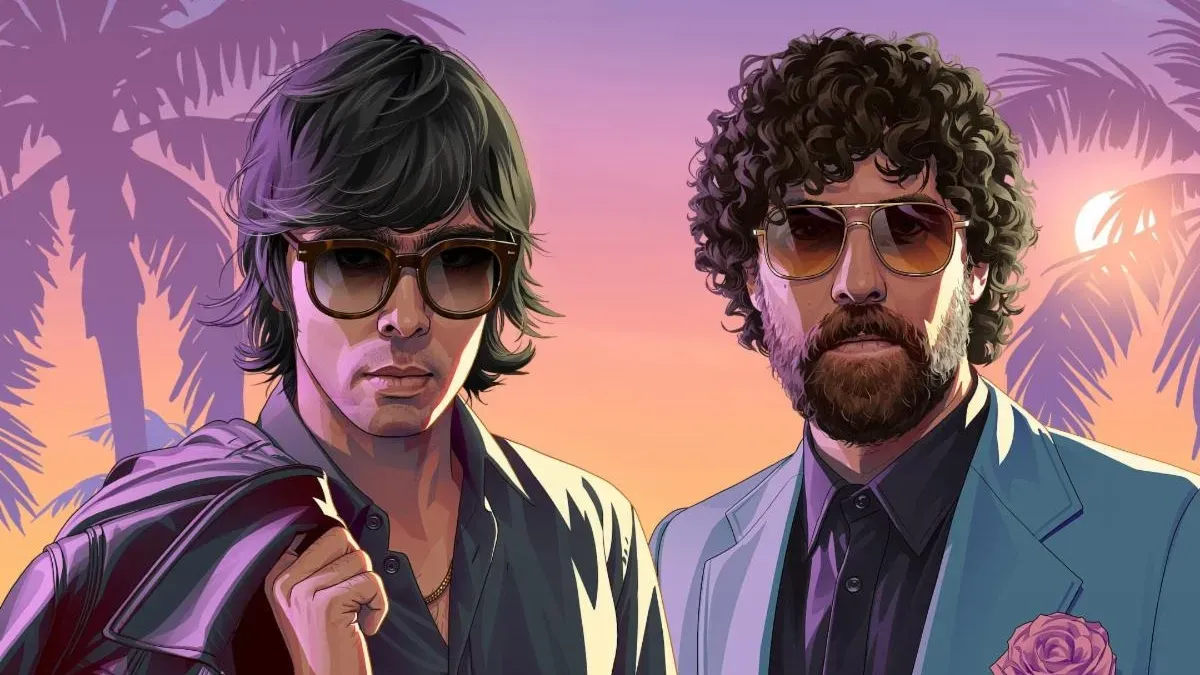
Justice to Score GTA 6, Share New Song with Tame Impala, SZA, King Gizzard
Rockstar taps the French duo for the GTA VI score, and the first taste is a genre-melting collab with Tame Impala, SZA, and King Gizzard & The Lizard Wizard.