

Khashoggi Misses $100M Deposit, Loses Battle for The Pierre
The Saudi buyer's missed deadline ends a bitter fight for Manhattan's landmark Pierre hotel, leaving the property's future in question.
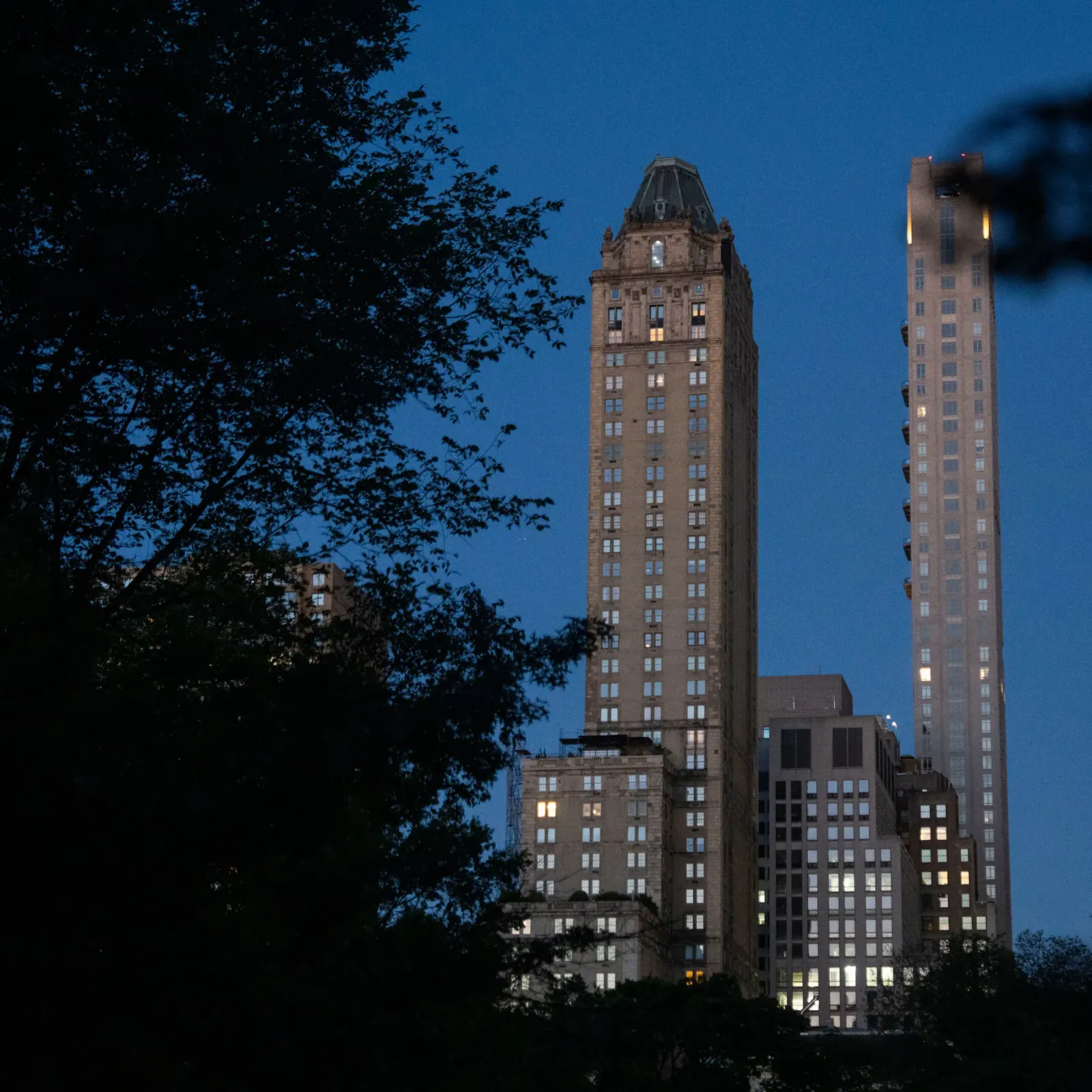
Motasem Khashoggi, the Saudi buyer pushed by Howard Lutnick, missed a Tuesday deadline to deliver a $100 million deposit for Manhattan's The Pierre hotel. The defeat ends his bid for the landmark and underscores how quickly trophy real estate deals can unravel.
Motasem Khashoggi, a buyer from a prominent Saudi family, missed a Tuesday deadline to deliver a $100 million deposit to purchase The Pierre, the storied Manhattan landmark. The miss hands defeat to a bid that had been pushed by Howard Lutnick, according to the original report, and it leaves the hotel's ownership in limbo. For a property that has symbolized old-money New York for nearly a century, the collapse is a stunning reversal.
A $100 million deposit is not a rounding error. In high-end real estate, deposits of that size typically signal a buyer with both the capital and the conviction to close. Missing such a deadline is a dramatic reversal, one that can trigger legal claims, forfeiture of earlier earnest money, and a scramble to find a new buyer. The fact that the deadline came and went without payment suggests either a financing gap, a change of heart, or a failure of execution - none of which bodes well for the deal's future.
The Pierre has been a fixture of Fifth Avenue since 1930, known for its mix of hotel rooms and co-op apartments, and for hosting everyone from royalty to rock stars. Its unique structure, which combines a hotel with residential units, has historically made it a complex asset to buy and sell. The battle over its ownership has been closely watched in New York real estate circles, and the collapse of this bid adds another twist to a property that has changed hands through boom and bust.
The Khashoggi family name carries weight in the Middle East and beyond, with ties to business, politics, and international finance. Motasem Khashoggi's bid for The Pierre was seen as a test of whether a new generation of Gulf investors would continue to park money in trophy Western assets, even as interest rates and geopolitical tensions have made such deals more complicated. The missed deposit now raises questions about the depth of that appetite and the rigor of the financial planning behind such high-profile offers.
The role of Howard Lutnick in pushing the bid adds a Wall Street dimension to the story. Lutnick, a well-known financier, had been associated with the effort, and his involvement suggested that the deal had serious financial backing. The missed deposit now raises questions about the due diligence and capital planning behind the offer. For a buyer with such prominent backing, failing to deliver a deposit on time is not just a legal problem - it is a reputational one that could complicate future attempts to acquire trophy assets.
For the sellers, the missed deadline is a setback but not necessarily a disaster. The Pierre remains one of the most desirable addresses in Manhattan, and a failed sale often leads to a new auction or a renegotiated price. But the process will take time, and the property's value could be affected by the public nature of the failure. Potential buyers may now wonder whether the asset is cursed by a difficult approval process or whether the price was simply too rich for the current market.
The broader lesson for executives and boards is about the cost of overreach. In any large transaction, the deposit is the moment when a buyer's commitment becomes real. A $100 million deposit is meant to be the final proof of intent, a sum large enough to make walking away painful. Missing a deadline of this magnitude suggests that the buyer's capital stack was never fully secured, or that the deal's complexity overwhelmed the team's ability to execute. Either way, the failure sends a signal to the market about the risks of chasing marquee assets without bulletproof financing.
For other buyers and sellers in the luxury real estate market, the Khashoggi episode is a reminder that even the most glamorous deals can fall apart at the last moment. The $100 million deposit was meant to be the final proof of intent. Instead, it became the reason the deal died. The Pierre will likely attract new interest, but the next bidder will have to weigh the same risks: a complex ownership structure, a demanding seller, and the unforgiving math of a market where a single missed deadline can undo months of negotiation.
This story's Key Insights and Take-aways are locked.
Create a free account to unlock Executive Actions for one credit.
Register to UnlockAlways free for Executives Club members. Join the Club
More in Business

Elon Musk unveils a flying car, and SpaceX helped build it
The Tesla CEO's showcase at a SpaceX facility signals a future where road and rocket engineering converge.

Apple's $2,000 iPhone Duo opens preorders, taking on Samsung and Google
Apple's first foldable hits the market at a premium price, reshaping a category Samsung and Google have led.

Pope Leo XIV, first American pope, diagnosed with lung cancer
The 71-year-old Chicago-born pontiff underwent successful surgery on his right lung, and his diagnosis raises new questions about his AI-focused papacy and the Vatican's future.