
Kingdom Holding vaults to nearly $7B on SpaceX’s first-day stock surge
Prince Alwaleed bin Talal’s SpaceX stake jumps in value as the new listing rally ripples through Gulf capital.
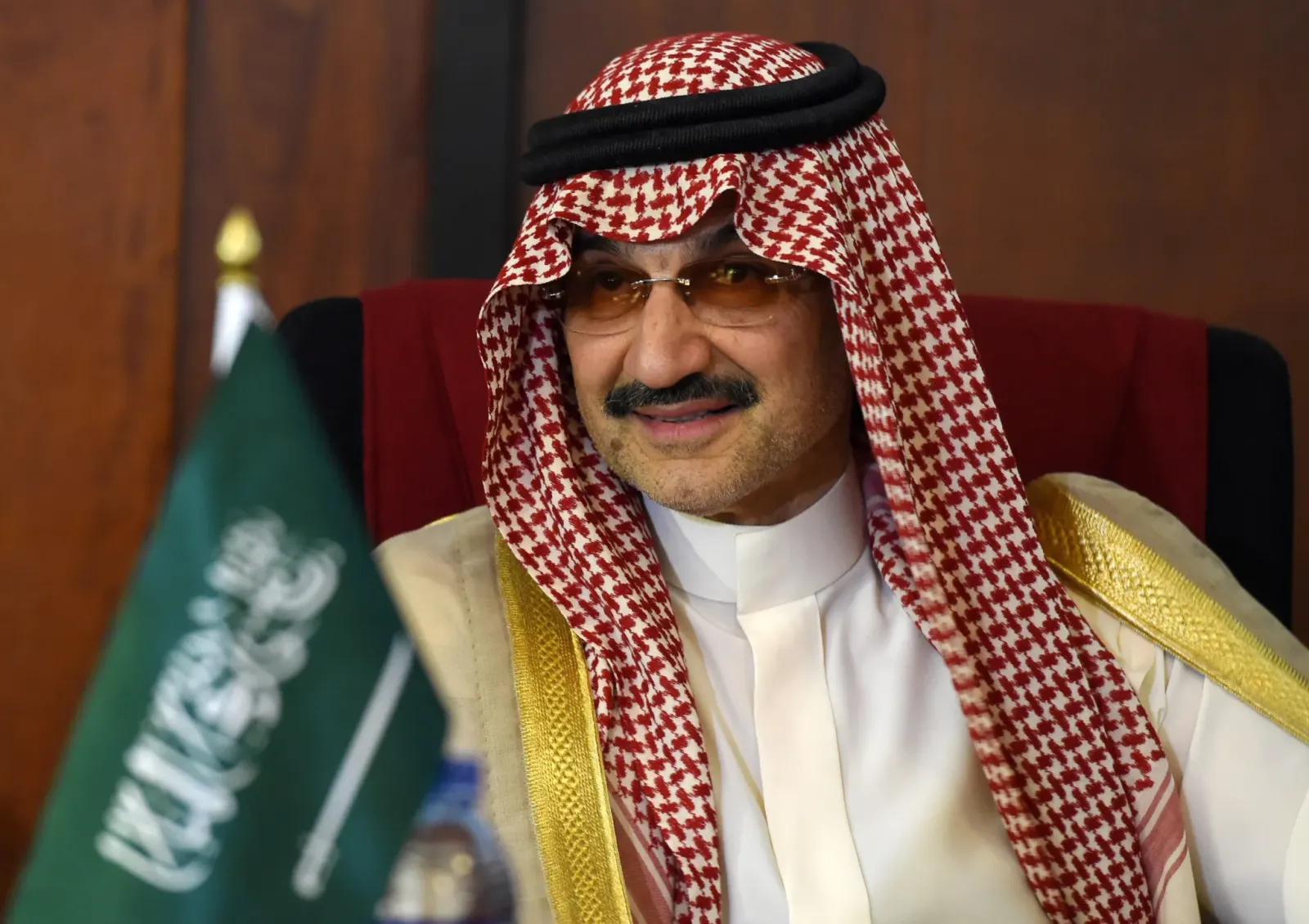
Kingdom Holding Co., Prince Alwaleed bin Talal’s investment firm, surged after SpaceX’s shares jumped on their first day of trading. The move boosted the value of Kingdom Holding’s SpaceX holding to almost $7 billion, with wider knock-on effects for investors exposed to space and AI.
SpaceX’s debut trading day did not just make headlines. It quietly re-priced one of Saudi Arabia’s richest portfolios. Kingdom Holding Co., Prince Alwaleed bin Talal’s investment firm, jumped at Sunday’s open after SpaceX’s share gains on Friday’s first day of trading drove the value of Kingdom Holding’s SpaceX holding to almost $7 billion, or roughly half of the Saudi firm’s market capitalization.
Here are the numbers that matter. Kingdom Holding said it holds 42.4 million shares in SpaceX, valued at $6.8 billion based on SpaceX’s closing price. And Kingdom shares rose as much as 5% at the open, valuing the company at 56 billion riyals ($14.9 billion). The direct takeaway for decision-makers is simple: when a concentrated position marks up, it changes not just net worth, but balance sheet flexibility, leverage capacity, and signaling to other investors. In Kingdom’s case, the SpaceX move is large enough that it essentially pulls half the firm’s story along with it.
The context: SpaceX, formally known as Space Exploration Technologies, began trading on Friday after raising $75 billion in what Fortune describes as the largest listing of all time. SpaceX stock closed up 19% at $160.95 on that first day, delivering “tens of billions of dollars in returns for a small number of firms.” That last clause is not trivia. In early-stage concentrated ownership structures, a relatively small set of investors can capture a disproportionate share of the upside, and those firms then become more visible, more liquid, and more influential with every subsequent valuation move.
Kingdom Holding is not alone in benefiting. Founders Fund, a venture firm led by Musk’s longtime associate Peter Thiel, owns a roughly 3% stake. Andreessen Horowitz, meanwhile, is set for the biggest return in its history, according to Bloomberg News. Sequoia Capital, which first backed SpaceX at the end of 2019, owns about 1.5% of the company. This matters for boards and portfolio managers because it shows how liquidity events can reshuffle power dynamics across VC relationships. When public-market prices leap, champions of the company often get stronger with investors who care about cash conversion, credibility, and follow-on participation.
The source also gives a sense of how much of Prince Alwaleed’s personal exposure is tied to SpaceX. Earlier this month, Kingdom Holding said its holding represents 0.34% of SpaceX, while Prince Alwaleed’s personal exposure amounts to about 0.29% of Elon Musk’s rocket and satellite company. The result, according to the Bloomberg Billionaires Index, is that Alwaleed’s net worth is now just over $27 billion, a decade-high. For executives, this is a reminder that “ownership percentage” is only half the story. The other half is the valuation day you happen to be living through.
There is also a broader capital-market plot line. The SpaceX listing is positioned to benefit other Saudi-linked and Gulf-linked investors, including the $1 trillion Public Investment Fund, which owns a stake in Alwaleed’s firm, and the country’s wider push to diversify away from oil with artificial intelligence as a central plank. The region’s investment pattern appears consistent: place big bets in frontier tech and then let market structure do the rest when the exits arrive.
The source points to specific examples of that strategy. Humain, a PIF-backed AI firm, invested $3 billion into Musk’s xAI this year as part of a $20 billion funding round. That deal gave Humain a significant minority stake in xAI, with holdings that it said at the time would convert into SpaceX shares. It is the kind of cross-asset structure that can turn a “venture” headline into a public-market wealth event. Elsewhere, Abu Dhabi’s MGX holds stakes in Anthropic PBC, OpenAI, and xAI, described as an investing hat trick that gives exposure to three of the most closely watched AI firms. Qatar has pursued a similar strategy, investing in both Anthropic and xAI.
And while the AI push is often described as recent, the source emphasizes that some Gulf investors have been betting on transformative technologies for years. Abu Dhabi’s IHC invested in SpaceX in 2020, while Aabar took a stake in Richard Branson’s Virgin Galactic in 2009, years before space and AI became market obsessions. That longer timeline matters because it suggests the Gulf thesis is not just “AI is hot.” It is about building a pipeline of exposure to tech trajectories that can eventually go public. When they do, valuation surges like SpaceX’s first day become more than a stock move. They become a wealth and reinvestment mechanism.
So what should decision-makers take from this, beyond the eye-catching $75 billion headline? First, concentration risk can work both ways, but in a surge, concentration works like a multiplier. Second, Gulf capital is increasingly entangled across space and AI through conversion mechanisms, minority stakes, and overlapping investor networks. Finally, liquidity events like the SpaceX IPO can strengthen or shift influence across boards, funds, and sovereign-linked portfolios, because the winners are often the institutions that were already patiently positioned. In short: SpaceX’s trading day did not just create a market moment. It created a portfolio moment that is already spilling into the next rounds.
This story's Key Insights and Take-aways are locked.
Create a free account to unlock Executive Actions for one credit.
Register to UnlockAlways free for Executives Club members. Join the Club
More in Business

Mena construction CPMI slips 12% in April 2026, but execution momentum rebounds to 1.01
GlobalData’s April CPMI shows resilience masking pre-execution caution, with conflict risk surfacing unevenly by country and sector.
FDA expands Sanofi’s type 1 diabetes injection use for 8-17-year-olds, Sept. 2026 update
A Friday FDA approval broadens eligibility for Sanofi's treatment in newly diagnosed stage 3 pediatric diabetes, changing patient access and market stakes.
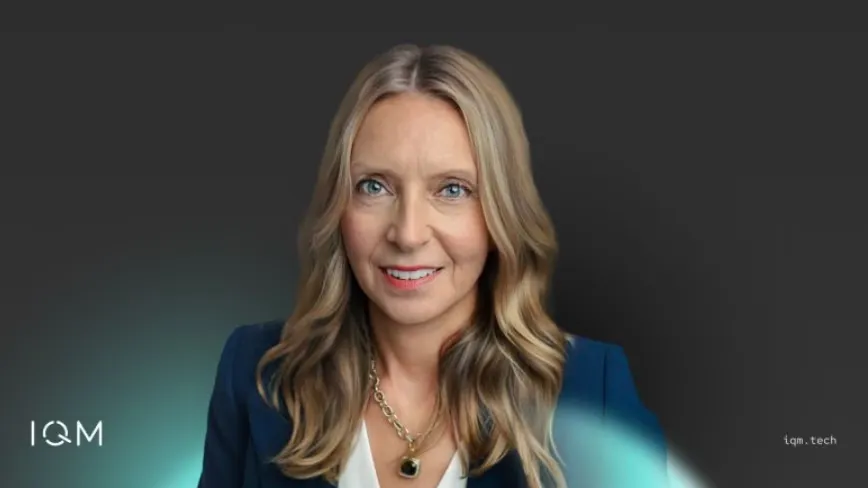
IQM appoints Vanguard director Barbara Venneman as Europe nears its first Nasdaq quantum listing
A board-level hire for IQM signals how serious Europe is about quantum market access, scrutiny, and investor confidence.