
Kinto profit doubles as Toyota’s subscription push accelerates
Toyota’s Kinto is speeding up, and the profit numbers suggest auto subscriptions are moving from experiment to engine.
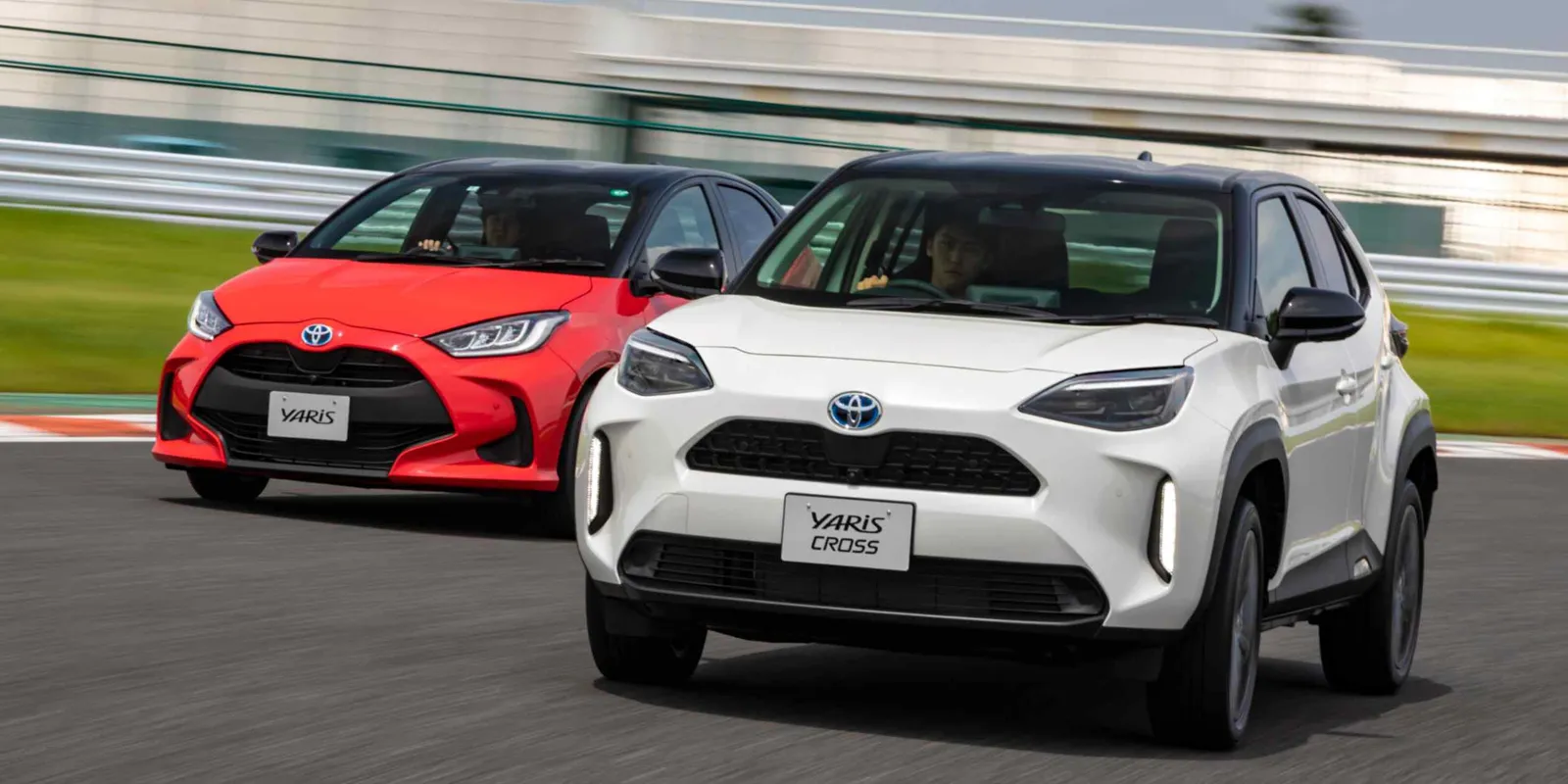
Toyota’s car subscription arm, Kinto, is shifting into high gear as profit doubles, according to Nikkei Asia. For decision-makers, the move signals operating leverage is showing up in subscription fleets, not just in marketing decks.
Toyota’s car subscription arm, Kinto, is shifting into high gear. Nikkei Asia reports that Kinto’s profit has doubled, a clear sign that the business is doing more than simply testing demand. This matters because “mobility services” have often been a line item that sounds innovative, but behaves like a cost center. Doubling profit changes the conversation, especially inside a car company that typically has deep industrial logic built around manufacturing scale.
The headline is the point: Kinto profit doubled as the subscription business picks up speed. That is the kind of result executives track for a reason. Subscriptions only look easy when you ignore the hard parts: acquiring customers who are willing to pay monthly, managing fleet utilization so cars are not just sitting, and controlling maintenance and resale outcomes. Profit doubling suggests Kinto is getting those moving pieces to work together, which typically requires tighter unit economics rather than just bigger budgets.
For context, Japan is one of the places where auto subscriptions have had a real runway, because the market has long experimented with alternative ownership models, including short-term rentals and leasing. But an important distinction is that a subscription aims to bundle more of the customer experience, while also smoothing demand for the provider. Instead of selling a car once, the business sells continuity. That continuity creates a different incentive structure: the operator gets better economics when retention holds, when cars cycle efficiently, and when the fleet is planned to avoid expensive idle periods.
From a boardroom perspective, the risk is whether profitability is durable or a one-off bump. Subscription businesses can swing with customer acquisition costs and residual values. When used-car prices rise, the provider can effectively win twice: lower losses on disposal and better resale margins. When used-car prices fall, the same fleet can turn from profit contributor into a drag. So when Nikkei Asia says profit doubled, the natural executive question is: did unit economics improve, or did the macro winds help? Even without those details in the source snippet, the direction is still notable, because it implies Kinto is not merely treading water.
There is also an internal corporate dynamic for Toyota to consider. Large automakers typically spend years building capabilities across manufacturing, sales networks, and dealer partnerships. A subscription arm can either complement those strengths or quietly conflict with them. Profit acceleration makes it harder to dismiss the model as a side project. If Kinto is showing real profitability, Toyota has to decide how much operational muscle and capital to allocate, and how to structure relationships with dealers and other partners so the subscription growth does not cannibalize core sales.
Regulatory framing can matter too, even when the business looks consumer-facing. Subscription offerings touch multiple areas: consumer protection for recurring billing, vehicle registration and compliance, and rules around advertising that could affect how contracts are presented. In many markets, regulators pay attention to how “monthly plans” are described, because consumers often expect ownership-like clarity, even when they do not hold the asset. A subscription operator that is scaling tends to face more scrutiny, not less. So profitability at the same time as scaling can be read as a sign that compliance and operational processes are being handled well enough to keep costs under control.
Looking outward, the strategic stakes are bigger than one business unit. If Kinto’s profit trajectory continues, it adds weight to the thesis that auto subscriptions can be a viable operating model, not just a niche for early adopters. That ripples to competitors trying to decide whether to invest in mobility platforms, partner with fleet operators, or build similar offerings in-house. For peers, the question becomes less “does it work?” and more “how do we make it work at scale, with margins that survive the next pricing cycle?”
In other words, the story is not just that Toyota’s Kinto is growing. It is that the subscription formula is producing measurable earnings. In a sector where margins can be unforgiving and demand can flip quickly, profit that doubles is a strong signal that the business is learning fast, managing the fleet well, and aligning its incentives. If you are a CEO, CFO, or board member evaluating mobility investments, this is the kind of performance datapoint that can shift internal priorities from experimentation to execution.
This story's Key Insights and Take-aways are locked.
Create a free account to unlock Executive Actions for one credit.
Register to UnlockAlways free for Executives Club members. Join the Club
More in Business

Bungie cuts most Destiny 2 staff as Sony says Marathon still matters
Herman Hulst confirms layoffs affecting most Destiny and some Marathon teams after Bungie admits Destiny fell short.

SK Hynix jumps 11% after seeking up to $29.4B in Nasdaq listing
The chip giant filed for a Nasdaq listing plan that could raise $29.4 billion, instantly reshaping investor expectations.

Micron revenue hits nearly $42B as AI memory lifts gross margins above 81%
Fiscal Q3 results crush estimates, prove AI memory is rewriting Micron's margins, and change the momentum math for the whole chip stack.